THE ADVENTURE COLLECTIVE® · Independent discovery and booking for outdoor travel

Learn to ice fish on Little Campbell Lake with local guides who bring hot chili, gear, and Alaskan stories. This four-hour guided trip pairs simple technique with wildlife viewing and winter safety for a true Anchorage experience.
Learn to ice fish on Little Campbell Lake with local guides who bring hot chili, gear, and Alaskan stories. This four-hour guided trip pairs simple technique with wildlife viewing and winter safety for a true Anchorage experience.
The wind off Cook Inlet arrives with a blunt honesty; it lifts the edge of the world and draws your breath into the rice-paper cold. On Little Campbell Lake, a warm canvas shelter hovers like an island of comfort on the ice, its stove humming and the scent of homemade chili cutting through the cold. Guides hand you a stout auger and a rod, and the day becomes a slow, deliberate conversation with the lake: tapping, drilling, lowering, waiting.
Verified experiences and guided adventures in the surrounding area.
Operated by FishHound Expeditions · Anchorage, Alaska
The wind off Cook Inlet arrives with a blunt honesty; it lifts the edge of the world and draws your breath into the rice-paper cold. On Little Campbell Lake, a warm canvas shelter hovers like an island of comfort on the ice, its stove humming and the scent of homemade chili cutting through the cold. Guides hand you a stout auger and a rod, and the day becomes a slow, deliberate conversation with the lake: tapping, drilling, lowering, waiting.
Kincaid Park occupies a sharp corner of Anchorage where glacial geology and coastal plain meet. The lake itself sits in a shallow basin left by Pleistocene ice, its surface turning from open water to a thick, load-bearing sheet through winter. The surrounding spruce stand—part of Dena'ina homelands—keeps watch; their branches rattle like old storytellers when the wind finds them.
This tour leans on local knowledge. Guides are Anchorage residents who splice fishing technique with Alaskan storytelling: moose tracks that cross the shoreline, bald eagles that thread the thermals, and the cat-and-mouse history of commercial and subsistence fishing in Cook Inlet. The trip is as much about reading the landscape as landing a fish. While the main catch around Little Campbell tends to be rainbow trout and stocked lake species, the truest haul is an education in ice safety and winter fieldcraft.
Practicalities are straightforward. The outing runs about four hours and includes a warm shelter, all tackle, hot drinks and a homemade lunch; you only need a fishing license. Expect to walk short distances on uneven, icy terrain—guides will show how to test the ice, drill holes, and set lines for both active and patient anglers.
Plan clothing in layers: a breathable base, insulating mid-layer, windproof shell, and warm boots with good grip. Hydration matters even when it’s cold; warm liquids and salty snacks stabilize energy and core temperature. Arrive with a charged phone, extra batteries for cameras, and respect for wildlife—moose and eagles are regulars and should be observed from a distance.
For photographers, the low winter sun sculpts the ice into glass and shadow; position yourself at the shelter doorway for candid moments of community and at the treeline where eagles and shoreline textures meet. Expect slow rhythms—the lake demands patience. Whether you’re a first-time angler or a return visitor, Little Campbell Lake delivers an Alaskan winter day that’s communal, instructive, and quietly wild.
Yes—Alaska requires a fishing license for most anglers. Purchase online before your trip to avoid delays.
Yes—this private tour accommodates families; guides can provide infant seats and teach kids basic safety and fishing skills.
Little Campbell Lake is typically stocked—expect trout and similar freshwater species rather than large saltwater fish.
Trips may be canceled for unsafe conditions; the cancellation policy allows a full refund if canceled at least 24 hours in advance.
Service animals are allowed; non-service dogs may be accepted on a case-by-case basis—check with the operator ahead of booking.
Physical demands are low: short walks on uneven ice and standing in the shelter; participants should be able to move safely on icy terrain.
FishHound Expeditions operates guided outdoor trips and adventures with an emphasis on safety, stewardship, and memorable experiences.
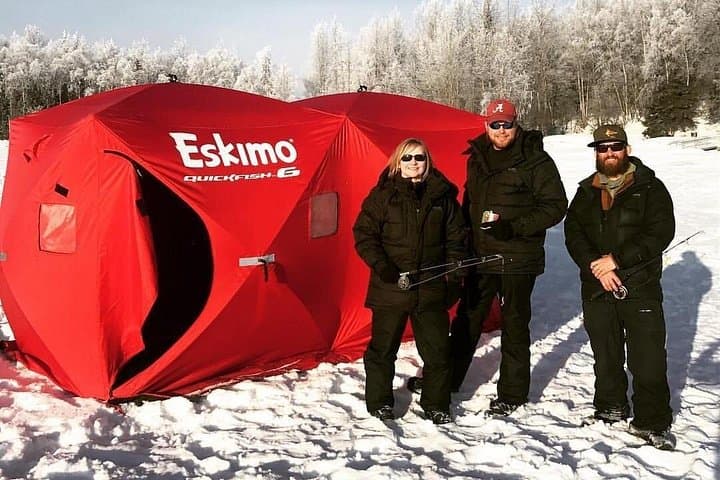

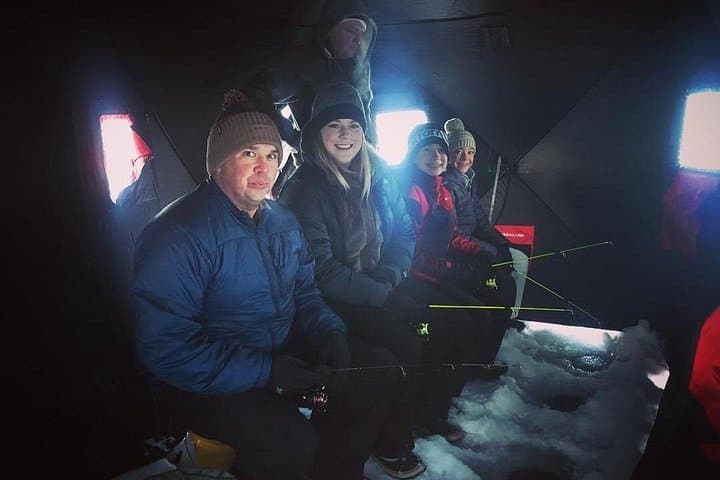
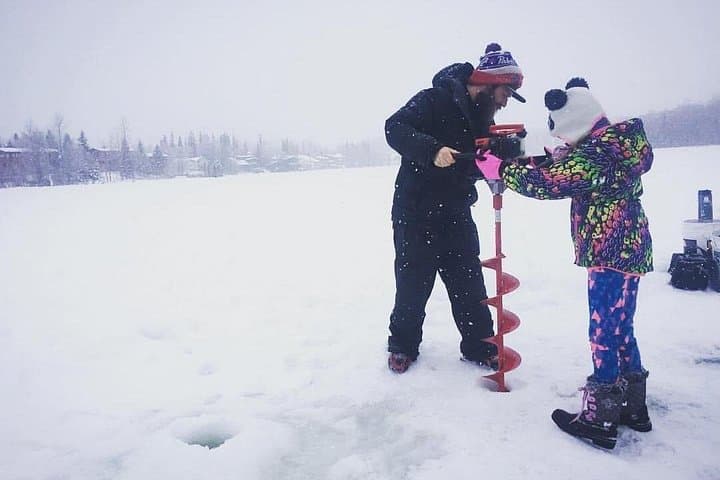
The wind off Cook Inlet arrives with a blunt honesty; it lifts the edge of the world and draws your breath into the rice-paper cold. On Little Campbell Lake, a warm canvas shelter hovers like an island of comfort on the ice, its stove humming and the scent of homemade chili cutting through the cold. Guides hand you a stout auger and a rod, and the day becomes a slow, deliberate conversation with the lake: tapping, drilling, lowering, waiting.
The wind off Cook Inlet arrives with a blunt honesty; it lifts the edge of the world and draws your breath into the rice-paper cold. On Little Campbell Lake, a warm canvas shelter hovers like an island of comfort on the ice, its stove humming and the scent of homemade chili cutting through the cold. Guides hand you a stout auger and a rod, and the day becomes a slow, deliberate conversation with the lake: tapping, drilling, lowering, waiting.
Kincaid Park occupies a sharp corner of Anchorage where glacial geology and coastal plain meet. The lake itself sits in a shallow basin left by Pleistocene ice, its surface turning from open water to a thick, load-bearing sheet through winter. The surrounding spruce stand—part of Dena'ina homelands—keeps watch; their branches rattle like old storytellers when the wind finds them.
This tour leans on local knowledge. Guides are Anchorage residents who splice fishing technique with Alaskan storytelling: moose tracks that cross the shoreline, bald eagles that thread the thermals, and the cat-and-mouse history of commercial and subsistence fishing in Cook Inlet. The trip is as much about reading the landscape as landing a fish. While the main catch around Little Campbell tends to be rainbow trout and stocked lake species, the truest haul is an education in ice safety and winter fieldcraft.
Practicalities are straightforward. The outing runs about four hours and includes a warm shelter, all tackle, hot drinks and a homemade lunch; you only need a fishing license. Expect to walk short distances on uneven, icy terrain—guides will show how to test the ice, drill holes, and set lines for both active and patient anglers.
Plan clothing in layers: a breathable base, insulating mid-layer, windproof shell, and warm boots with good grip. Hydration matters even when it’s cold; warm liquids and salty snacks stabilize energy and core temperature. Arrive with a charged phone, extra batteries for cameras, and respect for wildlife—moose and eagles are regulars and should be observed from a distance.
For photographers, the low winter sun sculpts the ice into glass and shadow; position yourself at the shelter doorway for candid moments of community and at the treeline where eagles and shoreline textures meet. Expect slow rhythms—the lake demands patience. Whether you’re a first-time angler or a return visitor, Little Campbell Lake delivers an Alaskan winter day that’s communal, instructive, and quietly wild.