THE ADVENTURE COLLECTIVE® · Independent discovery and booking for outdoor travel

A compact, two-day sweep of Iceland’s South Coast: waterfalls, black sand beaches, and a guided venture into a blue ice cave at Vatnajökull, with Jökulsárlón Glacier Lagoon and Northern Lights possibilities. Expect long drives, short hikes, and unforgettable photo moments.
A compact, two-day sweep of Iceland’s South Coast: waterfalls, black sand beaches, and a guided venture into a blue ice cave at Vatnajökull, with Jökulsárlón Glacier Lagoon and Northern Lights possibilities. Expect long drives, short hikes, and unforgettable photo moments.
You step out of the coach into a cold clarity that makes the world look sharper — the Atlantic wind driving spray off Reynisfjara, the hush near a blue-lit ice cave, the low hum of tires on volcanic sand. Over two days the South Coast of Iceland compresses geologic time into moments: 60-metre waterfalls spilling from mossy cliffs, black beaches where waves reel like an exhale, and an icecap that holds weathered years in its blue interior.
Verified experiences and guided adventures in the surrounding area.
Operated by Snaeland Travel · Jökulsárlón (Southeast Iceland), Southern Region
You step out of the coach into a cold clarity that makes the world look sharper — the Atlantic wind driving spray off Reynisfjara, the hush near a blue-lit ice cave, the low hum of tires on volcanic sand. Over two days the South Coast of Iceland compresses geologic time into moments: 60-metre waterfalls spilling from mossy cliffs, black beaches where waves reel like an exhale, and an icecap that holds weathered years in its blue interior.
The route follows Route 1 east from Reykjavík toward Vatnajökull, Europe’s largest ice cap (roughly 8,100 km²). Distances add up — expect roughly 380 km each way to Jökulsárlón, with many short walks along the way. Terrain varies: paved highway, black sand stretches, and compact glacier fields. Skógafoss offers a quick but steep stair ascent of about 60 metres to a ridge for panoramic views; Seljalandsfoss has a wet, slippery path that takes you behind the curtain of water for a different perspective.
Geology explains the spectacle: repeated eruptions and lava flows created the black-sand beaches, while glacial meltwaters carve lagoons and calve bergs into the sea. Jökulsárlón itself reaches depths near 200 metres where icebergs calve and drift in a slow, turquoise current. Folklore threads the landscape — Reynisdrangar sea stacks were said to be trolls turned to stone — and local farming communities have long adapted to the rhythm of ash, wind and light.
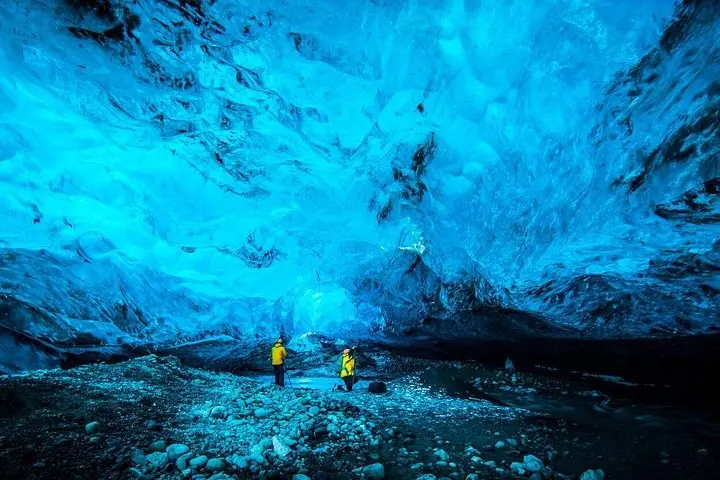
Day two turns inward. A super jeep ride and a guided walk bring you onto Vatnajökull’s outlet glaciers. Ice caves form seasonally from meltwater channels and refreezing; inside the walls are compacted layers of ancient snow and light filtered down to blue. Guides supply crampons, helmets and safety instruction; the walk across the ice is uneven with small elevation changes and occasional crevasses that are roped and marked.
Practical edge: the trip is both photographic and physical. Pack waterproof outer layers, layered insulation, sturdy hiking boots compatible with crampons, and a headlamp if you chase the aurora after dark. Weather changes fast; guides constantly adjust plans for road and safety. For photographers, the best light is morning and evening when the angular low sun sculpts ice and brings out the lagoon’s color.
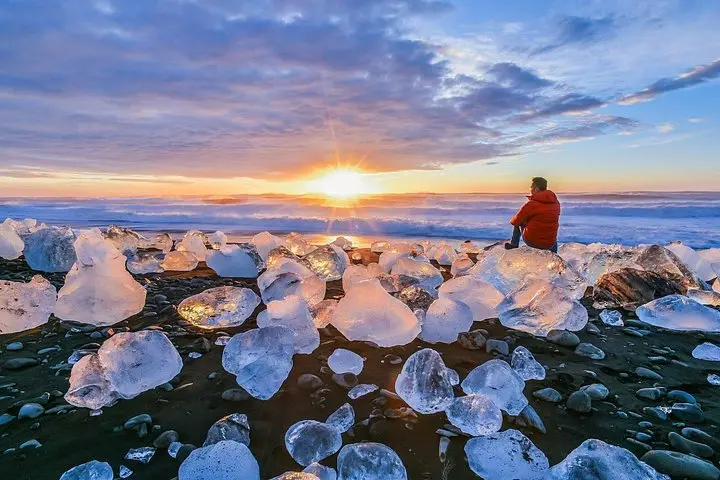
This two-day loop is immersive but logistically dense: long stretches on the road, several short but sometimes slippery walks, and a guided glacier experience that requires attention and basic mobility. The prize is immediate — from thunderous falls to glittering ice on Diamond Beach — and the chance to see the Northern Lights from dark hotel grounds makes the pace worth it.
Expect about 4.5–5 hours one-way (roughly 380 km), depending on stops and road conditions; the itinerary spreads driving across two days with multiple photo stops.
Guides provide safety equipment, instruction and route choices; visitors must be reasonably mobile and follow the guide at all times to ensure safety.
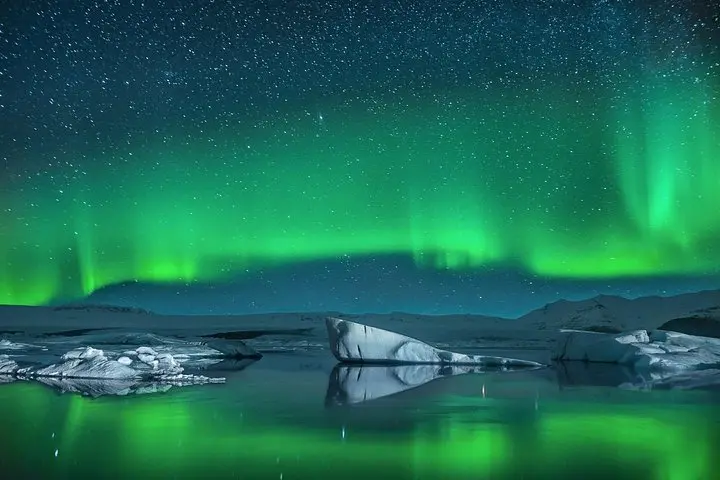
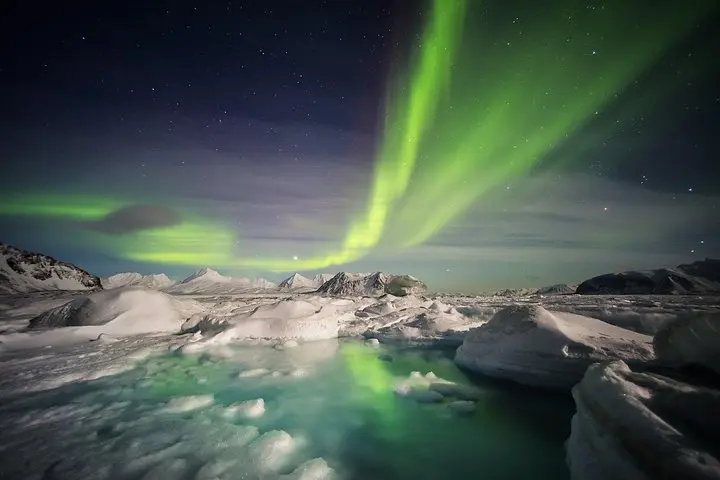
Yes — the hotel location is away from city lights and guides monitor aurora forecasts, but sightings are weather- and solar-activity dependent, not guaranteed.
Sturdy, closed hiking boots that cover the ankle are required so crampons can be fitted securely; trainers are not recommended.
The tour vehicle accommodates luggage and there are no strict luggage restrictions; check pickup details on your voucher for specifics.
Infant seats are available and the tour notes it is suitable for a wide range of fitness levels; check with the operator about age limits for the glacier and ice cave portions.
Snaeland Travel operates guided outdoor trips and adventures with an emphasis on safety, stewardship, and memorable experiences.
You step out of the coach into a cold clarity that makes the world look sharper — the Atlantic wind driving spray off Reynisfjara, the hush near a blue-lit ice cave, the low hum of tires on volcanic sand. Over two days the South Coast of Iceland compresses geologic time into moments: 60-metre waterfalls spilling from mossy cliffs, black beaches where waves reel like an exhale, and an icecap that holds weathered years in its blue interior.
You step out of the coach into a cold clarity that makes the world look sharper — the Atlantic wind driving spray off Reynisfjara, the hush near a blue-lit ice cave, the low hum of tires on volcanic sand. Over two days the South Coast of Iceland compresses geologic time into moments: 60-metre waterfalls spilling from mossy cliffs, black beaches where waves reel like an exhale, and an icecap that holds weathered years in its blue interior.
The route follows Route 1 east from Reykjavík toward Vatnajökull, Europe’s largest ice cap (roughly 8,100 km²). Distances add up — expect roughly 380 km each way to Jökulsárlón, with many short walks along the way. Terrain varies: paved highway, black sand stretches, and compact glacier fields. Skógafoss offers a quick but steep stair ascent of about 60 metres to a ridge for panoramic views; Seljalandsfoss has a wet, slippery path that takes you behind the curtain of water for a different perspective.
Geology explains the spectacle: repeated eruptions and lava flows created the black-sand beaches, while glacial meltwaters carve lagoons and calve bergs into the sea. Jökulsárlón itself reaches depths near 200 metres where icebergs calve and drift in a slow, turquoise current. Folklore threads the landscape — Reynisdrangar sea stacks were said to be trolls turned to stone — and local farming communities have long adapted to the rhythm of ash, wind and light.
Day two turns inward. A super jeep ride and a guided walk bring you onto Vatnajökull’s outlet glaciers. Ice caves form seasonally from meltwater channels and refreezing; inside the walls are compacted layers of ancient snow and light filtered down to blue. Guides supply crampons, helmets and safety instruction; the walk across the ice is uneven with small elevation changes and occasional crevasses that are roped and marked.
Practical edge: the trip is both photographic and physical. Pack waterproof outer layers, layered insulation, sturdy hiking boots compatible with crampons, and a headlamp if you chase the aurora after dark. Weather changes fast; guides constantly adjust plans for road and safety. For photographers, the best light is morning and evening when the angular low sun sculpts ice and brings out the lagoon’s color.
This two-day loop is immersive but logistically dense: long stretches on the road, several short but sometimes slippery walks, and a guided glacier experience that requires attention and basic mobility. The prize is immediate — from thunderous falls to glittering ice on Diamond Beach — and the chance to see the Northern Lights from dark hotel grounds makes the pace worth it.