THE ADVENTURE COLLECTIVE® · Independent discovery and booking for outdoor travel

Follow the ring road on a focused 10‑day run around Iceland: Thingvellir’s rift, black‑sand coasts, Jökulsárlón icebergs and the Snaefellsnes spine. Small groups, farm stays and a glacial boat tour make this a practical, immersive introduction to Iceland’s geology and culture.
Follow the ring road on a focused 10‑day run around Iceland: Thingvellir’s rift, black‑sand coasts, Jökulsárlón icebergs and the Snaefellsnes spine. Small groups, farm stays and a glacial boat tour make this a practical, immersive introduction to Iceland’s geology and culture.
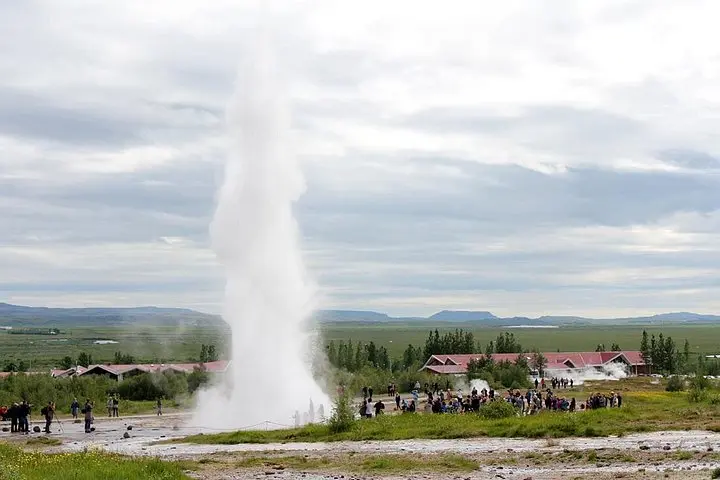
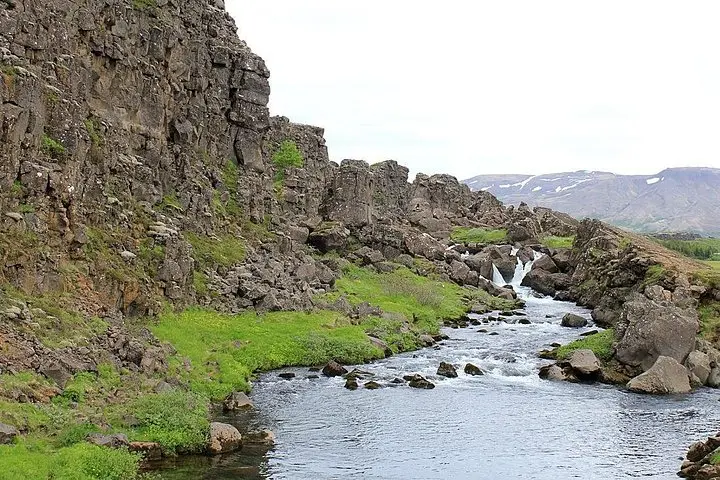
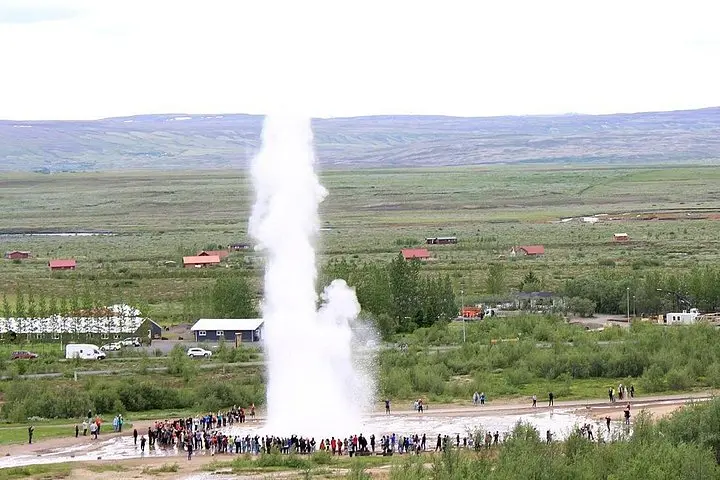
On a gray morning in Reykjavik the mini‑van eases out of the city with a dozen travelers and a single, sure ambition: follow the ring road and watch Iceland change every few hours. The first stop is Thingvellir, where the rift between the North American and Eurasian plates opens like a geological seam; a few days later you'll be tracing black-sand beaches, skating past blue icebergs at Jökulsárlón, and climbing soft volcanic slopes on the Snaefellsnes coast.
Verified experiences and guided adventures in the surrounding area.
Operated by Fun Travel Iceland · Reykjavik, Capital Region
On a gray morning in Reykjavik the mini‑van eases out of the city with a dozen travelers and a single, sure ambition: follow the ring road and watch Iceland change every few hours. The first stop is Thingvellir, where the rift between the North American and Eurasian plates opens like a geological seam; a few days later you'll be tracing black-sand beaches, skating past blue icebergs at Jökulsárlón, and climbing soft volcanic slopes on the Snaefellsnes coast.
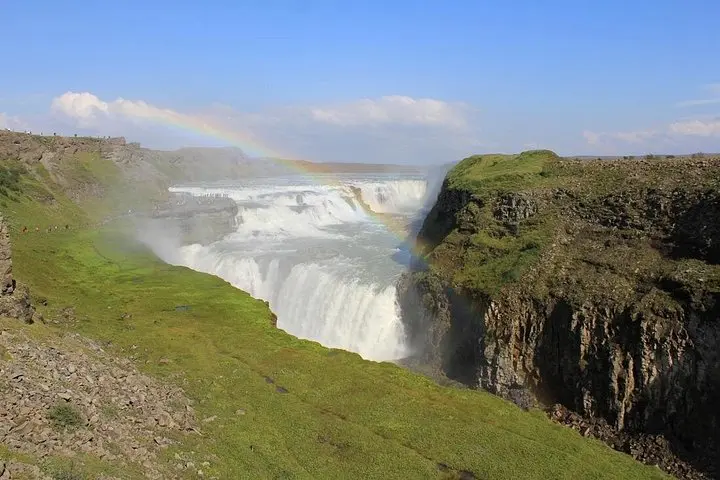
This ten‑day circuit is as much about contrasts as distance. The itinerary threads waterfalls — Seljalandsfoss and Skógafoss fall with different voices — through glacial plains and lava fields warmed by recent eruptions. Skaftafell's Svartifoss drops between hexagonal basalt columns; Dettifoss offers raw volume and a context in Icelandic settlement history. The tour blends geology and culture: Thingvellir was the site of the Alþingi, one of the world’s oldest parliaments, while farm stays in Modrudalur and other valleys open a window on contemporary rural life and food built around lamb, fish, and dairy.
Expect long drives punctuated by full stops. The ring road covers roughly 1,300–1,400 km; daily drives vary from short 30‑minute transfers to transits of several hours across skeletal highlands. The route includes off‑road viewpoints, a boat trip through glacial ice at the lagoon, and museum time at Skógar. Physical demands are moderate: short hikes and uneven terrain are common (Svartifoss is a roughly 2–3 km round trip with a modest elevation gain).
Logistics are straightforward: accommodation is a mix of 3‑star hotels and farm stays, breakfasts every morning and seven included dinners. The small‑group format (max 12) keeps the pace flexible, which matters when weather — wind, rain, sudden sun — forces itinerary changes.
Practical edge: layer for wind and rain, carry waterproof boots with good grip, and plan camera batteries and memory for everything from sweeping coastal light to glacier detail. Allow buffer time for short walks at each stop; the best photos rarely happen from the parking lot.
By the last morning on the Snaefellsnes Peninsula the tour loops back to Reykjavik with a refined understanding of Iceland’s mechanics — glaciers carving fjords, volcanoes rebuilding the coastline, communities adapted to elemental rhythms. For travelers who want variety without driving themselves, this ten‑day ring road run is a compact, well‑paced primer on the country’s landscape, history, and quieter corners.
Driving varies—some days are short transfers between nearby sites, others cover long stretches of the ring road up to several hours; expect a mix of 1–6 hour driving periods.
Breakfast is included every day and seven dinners are provided; other lunches and dinners are at your own expense unless otherwise noted.
Accommodation is a mix of 3‑star hotels in Reykjavik and local farm stays or country hotels along the route—comfortable, often family‑run properties.
Yes—operators reserve the right to alter the itinerary for safety or weather; the small group size allows flexible adjustments.
A boat tour among icebergs at the glacial lagoon is included; dedicated glacier hikes require separate equipment and guides and are not part of the standard itinerary.
Aurora sightings depend on season and clear skies—winter months offer the best chance, but sightings cannot be guaranteed.
Fun Travel Iceland operates guided outdoor trips and adventures with an emphasis on safety, stewardship, and memorable experiences.
On a gray morning in Reykjavik the mini‑van eases out of the city with a dozen travelers and a single, sure ambition: follow the ring road and watch Iceland change every few hours. The first stop is Thingvellir, where the rift between the North American and Eurasian plates opens like a geological seam; a few days later you'll be tracing black-sand beaches, skating past blue icebergs at Jökulsárlón, and climbing soft volcanic slopes on the Snaefellsnes coast.
On a gray morning in Reykjavik the mini‑van eases out of the city with a dozen travelers and a single, sure ambition: follow the ring road and watch Iceland change every few hours. The first stop is Thingvellir, where the rift between the North American and Eurasian plates opens like a geological seam; a few days later you'll be tracing black-sand beaches, skating past blue icebergs at Jökulsárlón, and climbing soft volcanic slopes on the Snaefellsnes coast.
This ten‑day circuit is as much about contrasts as distance. The itinerary threads waterfalls — Seljalandsfoss and Skógafoss fall with different voices — through glacial plains and lava fields warmed by recent eruptions. Skaftafell's Svartifoss drops between hexagonal basalt columns; Dettifoss offers raw volume and a context in Icelandic settlement history. The tour blends geology and culture: Thingvellir was the site of the Alþingi, one of the world’s oldest parliaments, while farm stays in Modrudalur and other valleys open a window on contemporary rural life and food built around lamb, fish, and dairy.
Expect long drives punctuated by full stops. The ring road covers roughly 1,300–1,400 km; daily drives vary from short 30‑minute transfers to transits of several hours across skeletal highlands. The route includes off‑road viewpoints, a boat trip through glacial ice at the lagoon, and museum time at Skógar. Physical demands are moderate: short hikes and uneven terrain are common (Svartifoss is a roughly 2–3 km round trip with a modest elevation gain).
Logistics are straightforward: accommodation is a mix of 3‑star hotels and farm stays, breakfasts every morning and seven included dinners. The small‑group format (max 12) keeps the pace flexible, which matters when weather — wind, rain, sudden sun — forces itinerary changes.
Practical edge: layer for wind and rain, carry waterproof boots with good grip, and plan camera batteries and memory for everything from sweeping coastal light to glacier detail. Allow buffer time for short walks at each stop; the best photos rarely happen from the parking lot.
By the last morning on the Snaefellsnes Peninsula the tour loops back to Reykjavik with a refined understanding of Iceland’s mechanics — glaciers carving fjords, volcanoes rebuilding the coastline, communities adapted to elemental rhythms. For travelers who want variety without driving themselves, this ten‑day ring road run is a compact, well‑paced primer on the country’s landscape, history, and quieter corners.