THE ADVENTURE COLLECTIVE® · Independent discovery and booking for outdoor travel

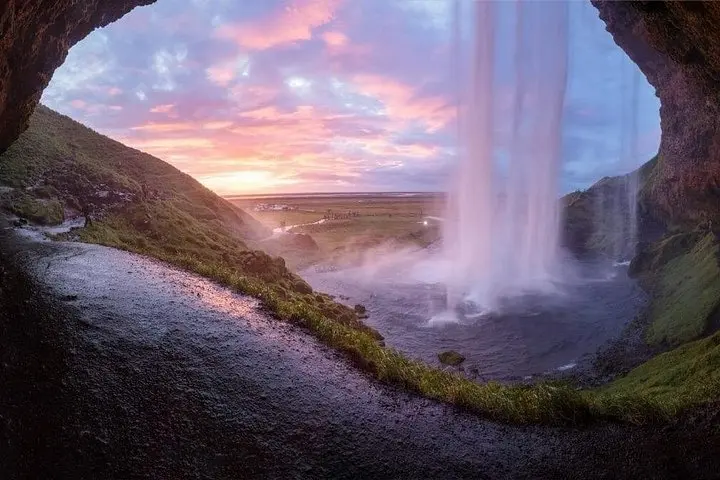
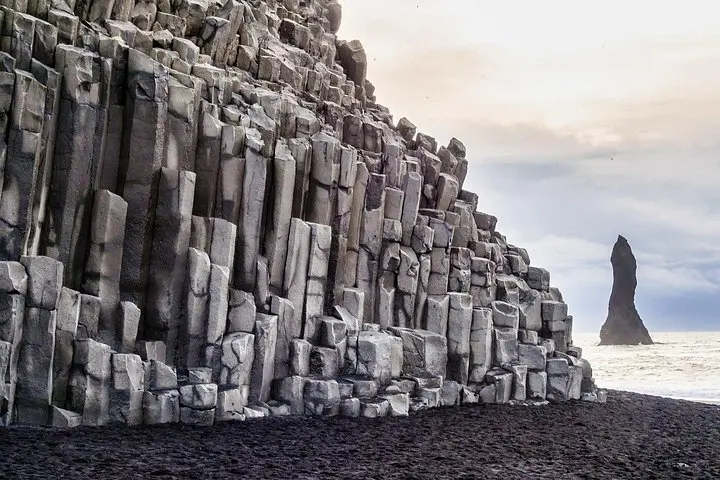
Drive Iceland’s dramatic south coast in a day: walk behind Seljalandsfoss, peer at Eyjafjallajökull’s slopes and stand on black-sand beaches dotted with basalt columns. This private 8–10 hour loop blends raw geology with accessible short walks and frequent photo stops.
Drive Iceland’s dramatic south coast in a day: walk behind Seljalandsfoss, peer at Eyjafjallajökull’s slopes and stand on black-sand beaches dotted with basalt columns. This private 8–10 hour loop blends raw geology with accessible short walks and frequent photo stops.
A low sun slants across a black shoreline as the bus slips away from Reykjavík and the landscape opens—waterfalls carving curtains from cliffs, glaciers crouched above the plain like slow-moving mountains, and columned lava standing like a man-made wall. On the south coast of Iceland the elements move with intent; wind pushes the waves, glaciers press valley floors, and waterfalls dare you to get closer.
Verified experiences and guided adventures in the surrounding area.
Operated by Olafur Omarsson · Reykjavík, Capital Region
A low sun slants across a black shoreline as the bus slips away from Reykjavík and the landscape opens—waterfalls carving curtains from cliffs, glaciers crouched above the plain like slow-moving mountains, and columned lava standing like a man-made wall. On the south coast of Iceland the elements move with intent; wind pushes the waves, glaciers press valley floors, and waterfalls dare you to get closer.
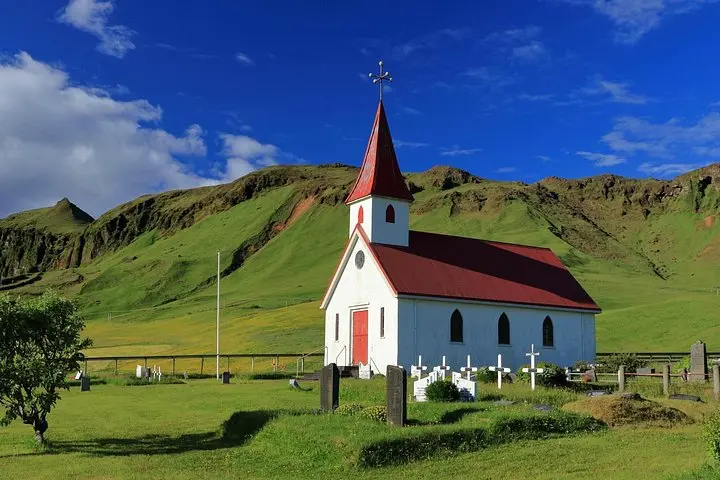
This route threads together the region’s recent volcanic history and older glacial geology. Eyjafjallajökull’s 2010 eruption left fresh ash and reshaped local drainage; nearby Breiðamerkurjökull and other outlet glaciers reveal long-term ice sculpting. Cultural life persists on small farms dotting the ring road—sheep, turf fences and irrigation channels that hint at centuries of adaptation.
Expect compact stops: a short loop to walk behind Seljalandsfoss, viewpoints above black-sand beaches and basalt columns, and photo pulls at cliffs and glacial tongues. Distances between stops are driven, with intermittent short walks over uneven, often wet ground; elevation change is modest but footing can be slippery.
Practical notes: travel time is 8–10 hours round trip from Reykjavík, on an air-conditioned vehicle with rest stops. Dress for wind and spray—waterproof layers and sturdy footing are essential. Bring spare batteries and a waterproof bag for electronics; weather can flip fast, so plan flexible daylight for photography. This is a day that pairs geological spectacle with practical preparation—arrive ready to move, look, and listen to a coastline that still feels alive.
Most departures begin and end in Reykjavík with round-trip transport provided; exact pickup points vary by booking and should be confirmed in advance.
Standard stops like viewpoints are generally free; specific admissions (if any) are noted by the operator—ask ahead if you plan to enter a paid site.
Yes, you can walk behind Seljalandsfoss via a short path, but the ground is wet and sometimes icy—wear waterproof shoes and take care.
Puffins may be spotted seasonally on coastal cliffs; glaciers are visible from viewpoints and outlet tongues, but close glacier walks require specialized tours and equipment.
Olafur Omarsson operates guided outdoor trips and adventures with an emphasis on safety, stewardship, and memorable experiences.
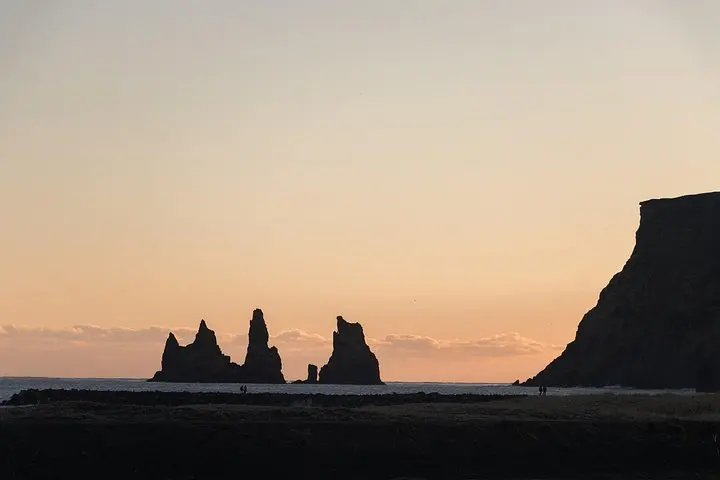
A low sun slants across a black shoreline as the bus slips away from Reykjavík and the landscape opens—waterfalls carving curtains from cliffs, glaciers crouched above the plain like slow-moving mountains, and columned lava standing like a man-made wall. On the south coast of Iceland the elements move with intent; wind pushes the waves, glaciers press valley floors, and waterfalls dare you to get closer.
A low sun slants across a black shoreline as the bus slips away from Reykjavík and the landscape opens—waterfalls carving curtains from cliffs, glaciers crouched above the plain like slow-moving mountains, and columned lava standing like a man-made wall. On the south coast of Iceland the elements move with intent; wind pushes the waves, glaciers press valley floors, and waterfalls dare you to get closer.
This route threads together the region’s recent volcanic history and older glacial geology. Eyjafjallajökull’s 2010 eruption left fresh ash and reshaped local drainage; nearby Breiðamerkurjökull and other outlet glaciers reveal long-term ice sculpting. Cultural life persists on small farms dotting the ring road—sheep, turf fences and irrigation channels that hint at centuries of adaptation.
Expect compact stops: a short loop to walk behind Seljalandsfoss, viewpoints above black-sand beaches and basalt columns, and photo pulls at cliffs and glacial tongues. Distances between stops are driven, with intermittent short walks over uneven, often wet ground; elevation change is modest but footing can be slippery.
Practical notes: travel time is 8–10 hours round trip from Reykjavík, on an air-conditioned vehicle with rest stops. Dress for wind and spray—waterproof layers and sturdy footing are essential. Bring spare batteries and a waterproof bag for electronics; weather can flip fast, so plan flexible daylight for photography. This is a day that pairs geological spectacle with practical preparation—arrive ready to move, look, and listen to a coastline that still feels alive.