
Iceland South Coast Day Tour: Waterfalls, DC-3 Wreck & Reynisfjara Black Sand Beach
A full-day minibus tour from Reykjavík that packs Seljalandsfoss and Skógafoss waterfalls, the Sólheimasandur DC-3 wreck, and Reynisfjara’s black sand beach into an accessible introduction to Iceland’s southern coast. Expect dramatic geology, short walks, and changing weather.
An Adventure In Reykjavik.
A full-day minibus tour from Reykjavík that packs Seljalandsfoss and Skógafoss waterfalls, the Sólheimasandur DC-3 wreck, and Reynisfjara’s black sand beach into an accessible introduction to Iceland’s southern coast. Expect dramatic geology, short walks, and changing weather.
Read the full experience
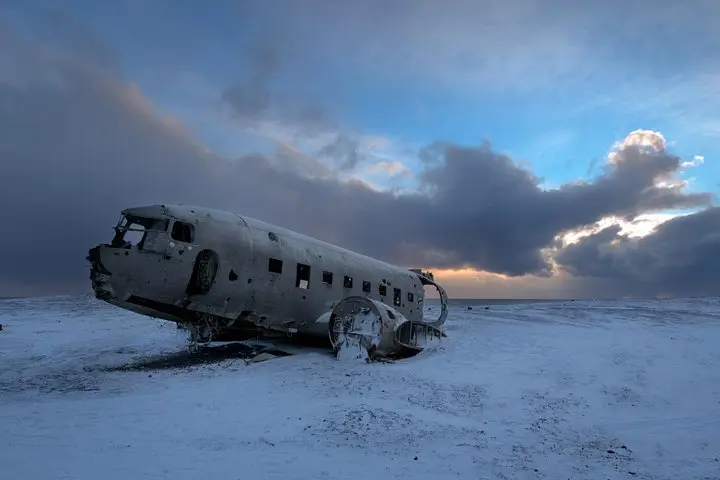
A cold wind from the Atlantic pushes across the minibus as it leaves Reykjavík and the low sun paints the lava fields silver. Within an hour the landscape opens: moss-carpeted lava gives way to wide black beaches, an abandoned DC-3 rests like an iron animal on a flat plain, and waterfalls roar from cliffs shaped by shifting ice.
A cold wind from the Atlantic pushes across the minibus as it leaves Reykjavík and the low sun paints the lava fields silver. Within an hour the landscape opens: moss-carpeted lava gives way to wide black beaches, an abandoned DC-3 rests like an iron animal on a flat plain, and waterfalls roar from cliffs shaped by shifting ice.
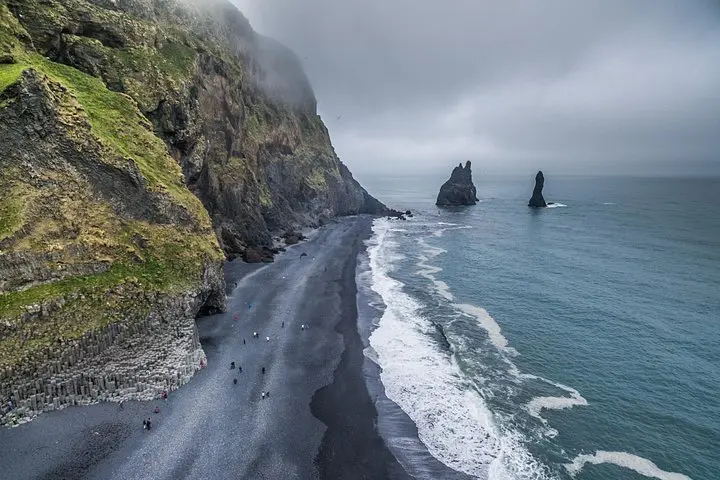
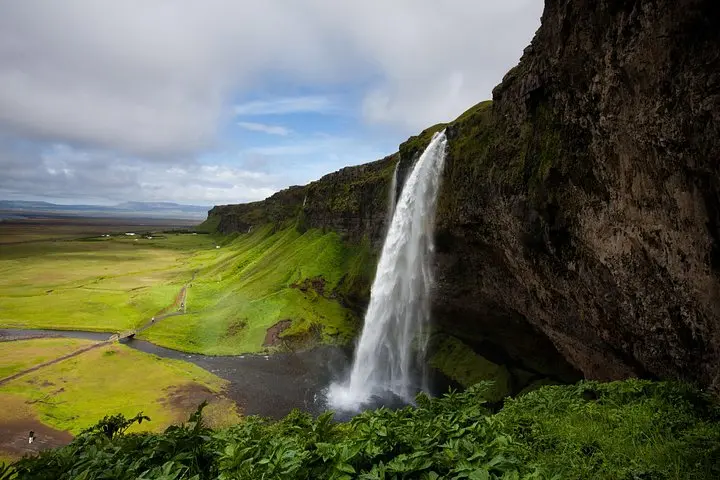
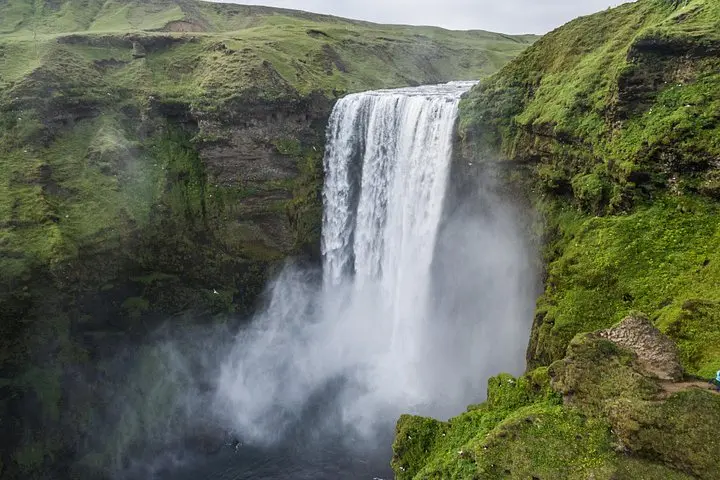
The route follows the edge of the Ice Age — rivers and glaciers carved the cliffs and left behind dramatic falls like Seljalandsfoss and Skógafoss. Seljalandsfoss allows a rare vantage: a path behind the curtain of water where droplets dare you forward. Reynisfjara’s columnar basalt reveals volcanic forces frozen in time; its Reynisdrangar sea stacks are tied to local sagas about trolls and the sea.
This is a compact cultural and geological primer: coastal erosion, post-glacial rivers, and Iceland’s aviation history converge in one long day. Guides frame each stop with concise context — how the DC-3 crash site became an emblem of the island’s rugged modern history, how basalt columns form from cooling lava, and why visitors should respect the powerful sneaker waves at Reynisfjara.
Practicalities are straightforward. Expect a full-day loop (long driving stretches with photo and walk stops), easy but uneven walking, and variable weather that changes in minutes. Bring waterproof layers, sturdy shoes, and time for quick hikes and viewpoints. Aim for morning departures to maximize daylight and crowd management; listen to your guide for beach safety and leave no traces at sensitive sites.
Frequently asked questions
The tour is roughly 10–12 hours round-trip from Reykjavík with several long driving segments punctuated by 15–60 minute stops at each site.
Yes — there is a maintained path behind Seljalandsfoss but it can be slippery and wet; wear waterproof shoes and a rain jacket.
The wreck sits on Sólheimasandur beach; access involves a flat walk of around 3–4 km each way from the parking area and is open to visitors, but routes can be exposed to weather.
Yes — sneaker waves are dangerous; keep well back from the waterline and follow your guide’s instructions for safe viewing spots.
About This Experience
Arctic Adventures operates guided outdoor trips and adventures with an emphasis on safety, stewardship, and memorable experiences.
Adventure tips
Recommended gear
- Waterproof shell jacket: Protects against waterfall spray and coastal wind throughout the year.
- Sturdy waterproof hiking shoes: Grip and waterproofing help on wet rocks, muddy approaches, and black sand.
- Insulating mid-layer (fleece/down): Keeps you warm during windy stops and when the temperature drops quickly.
- Camera or phone with spare battery/power bank: Captures dramatic landscapes; batteries perform poorly in cold so bring a backup.
Photos of the experience
Related adventures & guides
Read the full experience
A cold wind from the Atlantic pushes across the minibus as it leaves Reykjavík and the low sun paints the lava fields silver. Within an hour the landscape opens: moss-carpeted lava gives way to wide black beaches, an abandoned DC-3 rests like an iron animal on a flat plain, and waterfalls roar from cliffs shaped by shifting ice.
A cold wind from the Atlantic pushes across the minibus as it leaves Reykjavík and the low sun paints the lava fields silver. Within an hour the landscape opens: moss-carpeted lava gives way to wide black beaches, an abandoned DC-3 rests like an iron animal on a flat plain, and waterfalls roar from cliffs shaped by shifting ice.
The route follows the edge of the Ice Age — rivers and glaciers carved the cliffs and left behind dramatic falls like Seljalandsfoss and Skógafoss. Seljalandsfoss allows a rare vantage: a path behind the curtain of water where droplets dare you forward. Reynisfjara’s columnar basalt reveals volcanic forces frozen in time; its Reynisdrangar sea stacks are tied to local sagas about trolls and the sea.
This is a compact cultural and geological primer: coastal erosion, post-glacial rivers, and Iceland’s aviation history converge in one long day. Guides frame each stop with concise context — how the DC-3 crash site became an emblem of the island’s rugged modern history, how basalt columns form from cooling lava, and why visitors should respect the powerful sneaker waves at Reynisfjara.
Practicalities are straightforward. Expect a full-day loop (long driving stretches with photo and walk stops), easy but uneven walking, and variable weather that changes in minutes. Bring waterproof layers, sturdy shoes, and time for quick hikes and viewpoints. Aim for morning departures to maximize daylight and crowd management; listen to your guide for beach safety and leave no traces at sensitive sites.
Make a day of it nearby.
Verified experiences and guided adventures in the surrounding area.