THE ADVENTURE COLLECTIVE® · Independent discovery and booking for outdoor travel

Combine a whale-watching expedition in Faxaflói Bay with a night hunt for the Northern Lights from Reykjavík’s Old Harbour. This two-in-one cruise pairs heated comfort and guided natural history with an on-deck chase for whales and aurora.
Combine a whale-watching expedition in Faxaflói Bay with a night hunt for the Northern Lights from Reykjavík’s Old Harbour. This two-in-one cruise pairs heated comfort and guided natural history with an on-deck chase for whales and aurora.
Step onto the ship at Reykjavík’s Old Harbour as salt wind bites and the city’s sodium lights recede behind you. On a clear night the sky unfurls green curtains; by day the bay’s surface breaks with blows and tails as whales push through Faxaflói’s cold water. The contrast—silent aurora above, energetic marine life below—defines this combined sea-experience.
Verified experiences and guided adventures in the surrounding area.
Operated by Special Tours Iceland · Reykjavik, Capital Region
Step onto the ship at Reykjavík’s Old Harbour as salt wind bites and the city’s sodium lights recede behind you. On a clear night the sky unfurls green curtains; by day the bay’s surface breaks with blows and tails as whales push through Faxaflói’s cold water. The contrast—silent aurora above, energetic marine life below—defines this combined sea-experience.
Iceland’s maritime identity goes back centuries: Reykjavik grew from a fishing outpost and Faxaflói Bay has long been a corridor for migrating whales. Geologically the coastline is young—cooled lava and glacially scoured fjords shaping shallow shelves that concentrate krill and small fish, the reason whales frequent these waters. Culturally, guides blend modern natural science with old seafaring lore; expect brief talks about migration patterns, conservation, and aurora myths.
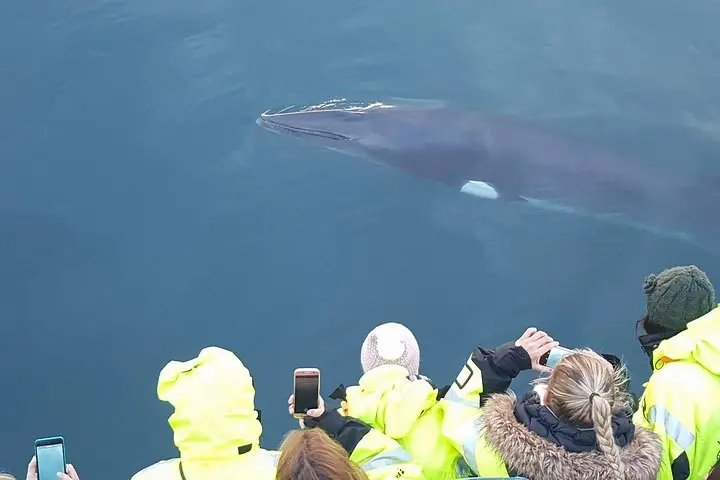
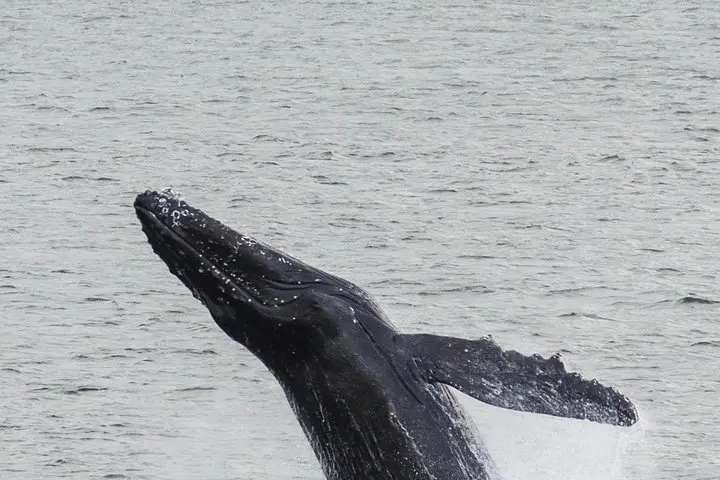
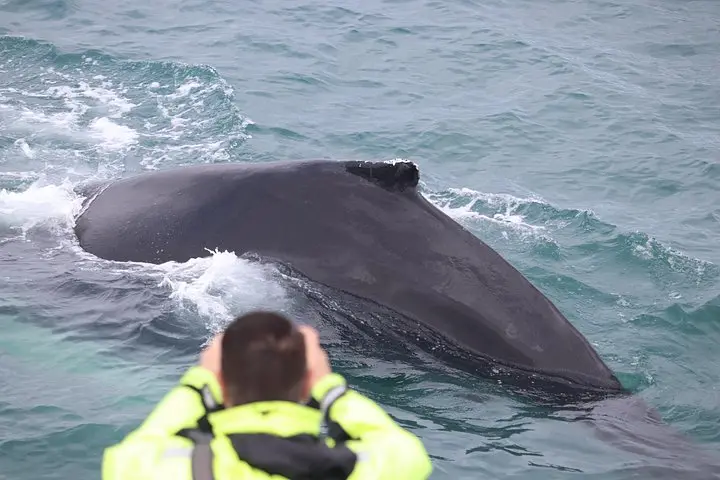
On the whale tour you’ll typically spend 3–3.5 hours scanning for minke and humpback whales, white-beaked dolphins and porpoises. Northern Lights cruises run in darker months (Sept–mid-April) and are weather- and solar-activity dependent—sightings are chased, not guaranteed. Boats have heated indoor seating, thermal overalls and seasickness tablets, but the best views are on deck.
Practical advice: reconfirm your departure, layer up (windproof outer layer + insulated mid-layer), bring a compact tripod and telephoto lens if you want good photos, and keep movements slow near animals to avoid disturbance. Respect crew instructions—approach wildlife quietly and avoid flash photography during aurora viewing. Whether chasing breaching whales or a sky that decides to glow, this is a hands-on way to experience Iceland’s elemental forces.
Whale-watching tours are generally 3–3.5 hours; Northern Lights cruises vary but often run 2–4 hours—combined bookings may be scheduled across one or two days.
No—whale and aurora sightings depend on animal behavior, weather and solar activity; many operators offer a free rebook if nothing is seen.
Yes—boats have heated indoor areas and overalls in children’s sizes; check with the operator about specific mobility needs and boarding assistance.
Yes—suppliers request that passengers reconfirm exact cruise times in advance to accommodate weather and operational changes.
Special Tours Iceland operates guided outdoor trips and adventures with an emphasis on safety, stewardship, and memorable experiences.
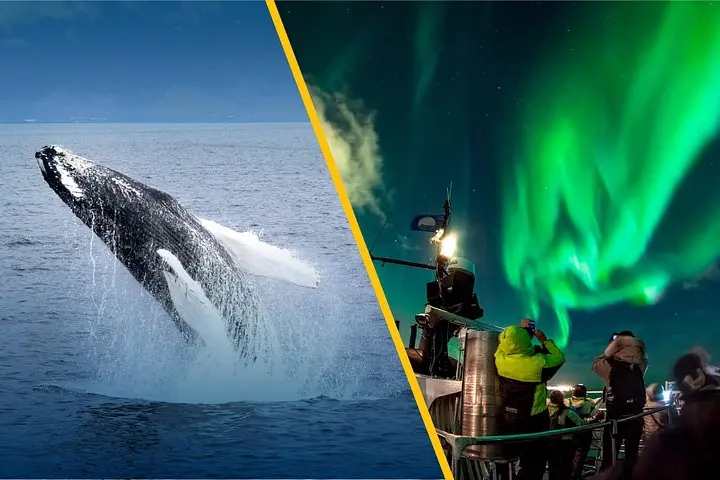
Step onto the ship at Reykjavík’s Old Harbour as salt wind bites and the city’s sodium lights recede behind you. On a clear night the sky unfurls green curtains; by day the bay’s surface breaks with blows and tails as whales push through Faxaflói’s cold water. The contrast—silent aurora above, energetic marine life below—defines this combined sea-experience.
Step onto the ship at Reykjavík’s Old Harbour as salt wind bites and the city’s sodium lights recede behind you. On a clear night the sky unfurls green curtains; by day the bay’s surface breaks with blows and tails as whales push through Faxaflói’s cold water. The contrast—silent aurora above, energetic marine life below—defines this combined sea-experience.
Iceland’s maritime identity goes back centuries: Reykjavik grew from a fishing outpost and Faxaflói Bay has long been a corridor for migrating whales. Geologically the coastline is young—cooled lava and glacially scoured fjords shaping shallow shelves that concentrate krill and small fish, the reason whales frequent these waters. Culturally, guides blend modern natural science with old seafaring lore; expect brief talks about migration patterns, conservation, and aurora myths.
On the whale tour you’ll typically spend 3–3.5 hours scanning for minke and humpback whales, white-beaked dolphins and porpoises. Northern Lights cruises run in darker months (Sept–mid-April) and are weather- and solar-activity dependent—sightings are chased, not guaranteed. Boats have heated indoor seating, thermal overalls and seasickness tablets, but the best views are on deck.
Practical advice: reconfirm your departure, layer up (windproof outer layer + insulated mid-layer), bring a compact tripod and telephoto lens if you want good photos, and keep movements slow near animals to avoid disturbance. Respect crew instructions—approach wildlife quietly and avoid flash photography during aurora viewing. Whether chasing breaching whales or a sky that decides to glow, this is a hands-on way to experience Iceland’s elemental forces.