THE ADVENTURE COLLECTIVE® · Independent discovery and booking for outdoor travel

Feel the tölt across cooled lava fields on a two-hour horseback ride a short drive from Reykjavík. This guided tour suits beginners and experienced riders, combining volcanic scenery, local history and hot drinks at the stables.
Feel the tölt across cooled lava fields on a two-hour horseback ride a short drive from Reykjavík. This guided tour suits beginners and experienced riders, combining volcanic scenery, local history and hot drinks at the stables.
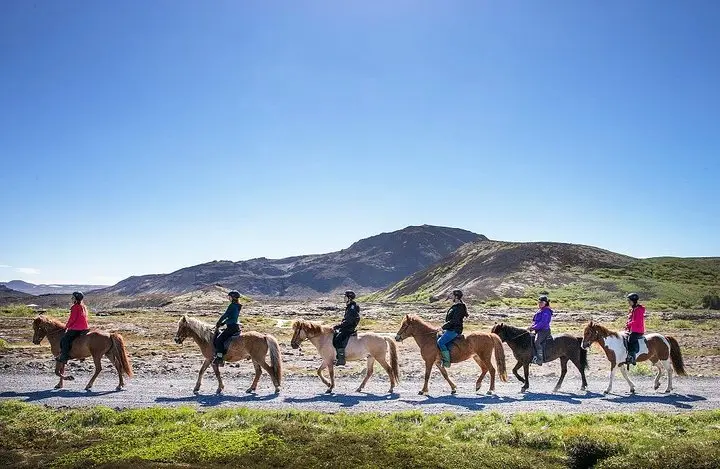
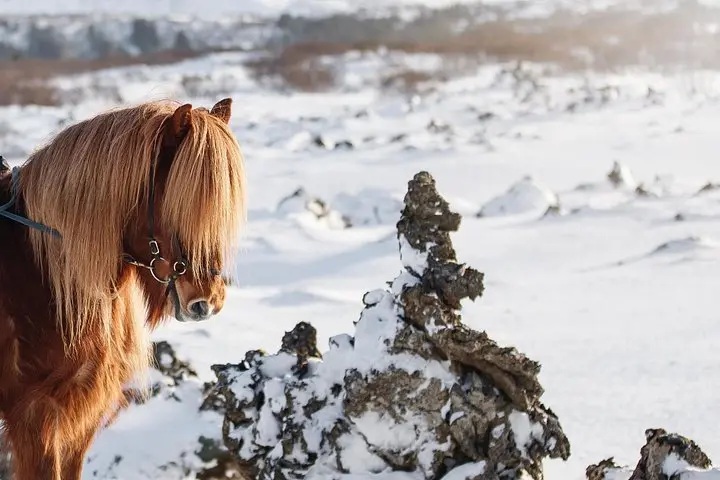
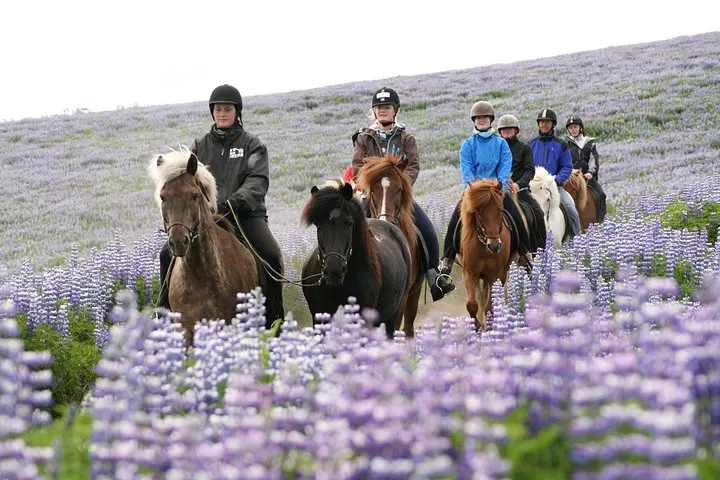
A low sun slices across black lava and moss as riders fall into the smooth, distinctive tölt of the Icelandic horse. The first paragraphs of this ride are sensory: the clip of hooves on gravel, breath steaming in cold air, and the vastness of fields that were once fresh flows of cooled lava. The tour meets at stables about 20 minutes from Reykjavík and splits groups by ability so beginners and experienced riders both get usable paces.
Verified experiences and guided adventures in the surrounding area.
Operated by Ishestar · Reykjavík, Capital Region
A low sun slices across black lava and moss as riders fall into the smooth, distinctive tölt of the Icelandic horse. The first paragraphs of this ride are sensory: the clip of hooves on gravel, breath steaming in cold air, and the vastness of fields that were once fresh flows of cooled lava. The tour meets at stables about 20 minutes from Reykjavík and splits groups by ability so beginners and experienced riders both get usable paces.
Geology and history sit side-by-side here — recent volcanic flows sculpt flat expanses and shallow ridges, while centuries of settlement made the small, sure-footed Icelandic horse the island’s primary transport for survival and travel. The breed’s five gaits, especially the tölt, make long rides comfortable and reveal coastal and mountain views that define the Reykjanes Peninsula and nearby lava fields.
Culturally, horseback riding remains a living connection to saga-era life; guides often explain the breed’s rules in Iceland (strict biosecurity and no imports) and local farm practices. Practicalities are straightforward: rides last two hours, helmets and rubber boots are provided, and the operator supplies hot drinks afterward. Riders should arrive early, dress in windproof layers, and be able to mount unaided.
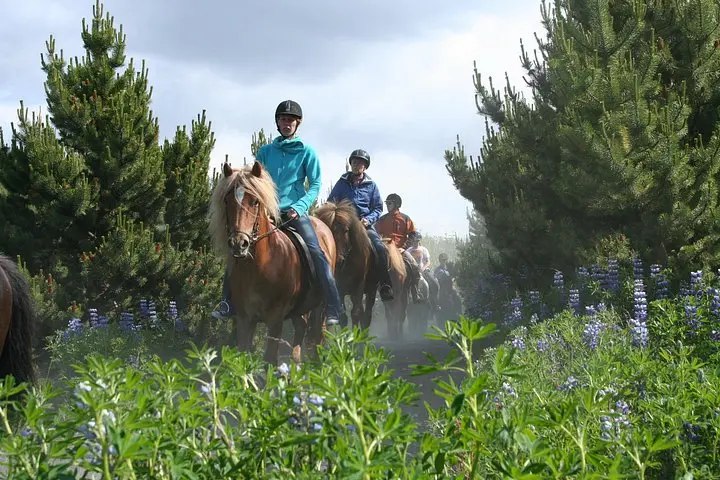
Expect variable footing — gravel tracks, compacted earth, and short grassy stretches — and weather that can change quickly. For first-timers this is an accessible, memorable way to see Iceland’s raw landscape with an element of living history under saddle.
No — tours group riders by ability; beginners are welcome but must be able to mount unaided and follow the guide.
Children from age 7 can join with an accompanying adult; the weight limit is typically 110 kg (240 lbs).
Some departures include pickup — select that option when booking; otherwise arrive at the stable 30 minutes before departure.
Helmets, rubber boots, rain gear or warm overalls are provided, plus a hot drink after the ride.
Ishestar operates guided outdoor trips and adventures with an emphasis on safety, stewardship, and memorable experiences.
A low sun slices across black lava and moss as riders fall into the smooth, distinctive tölt of the Icelandic horse. The first paragraphs of this ride are sensory: the clip of hooves on gravel, breath steaming in cold air, and the vastness of fields that were once fresh flows of cooled lava. The tour meets at stables about 20 minutes from Reykjavík and splits groups by ability so beginners and experienced riders both get usable paces.
A low sun slices across black lava and moss as riders fall into the smooth, distinctive tölt of the Icelandic horse. The first paragraphs of this ride are sensory: the clip of hooves on gravel, breath steaming in cold air, and the vastness of fields that were once fresh flows of cooled lava. The tour meets at stables about 20 minutes from Reykjavík and splits groups by ability so beginners and experienced riders both get usable paces.
Geology and history sit side-by-side here — recent volcanic flows sculpt flat expanses and shallow ridges, while centuries of settlement made the small, sure-footed Icelandic horse the island’s primary transport for survival and travel. The breed’s five gaits, especially the tölt, make long rides comfortable and reveal coastal and mountain views that define the Reykjanes Peninsula and nearby lava fields.
Culturally, horseback riding remains a living connection to saga-era life; guides often explain the breed’s rules in Iceland (strict biosecurity and no imports) and local farm practices. Practicalities are straightforward: rides last two hours, helmets and rubber boots are provided, and the operator supplies hot drinks afterward. Riders should arrive early, dress in windproof layers, and be able to mount unaided.
Expect variable footing — gravel tracks, compacted earth, and short grassy stretches — and weather that can change quickly. For first-timers this is an accessible, memorable way to see Iceland’s raw landscape with an element of living history under saddle.