THE ADVENTURE COLLECTIVE® · Independent discovery and booking for outdoor travel

Move from the Pyramids of Giza to Luxor’s temples in four days of guided, ground-level exploration. This compact itinerary pairs the Grand Egyptian Museum with Karnak, Luxor Temple, and the Valley of the Kings for a focused introduction to pharaonic Egypt.
Move from the Pyramids of Giza to Luxor’s temples in four days of guided, ground-level exploration. This compact itinerary pairs the Grand Egyptian Museum with Karnak, Luxor Temple, and the Valley of the Kings for a focused introduction to pharaonic Egypt.
You step from an air-conditioned car into late-afternoon dust, the horizon dominated by stone triangles against a hard blue sky. The Sphinx watches as you move between blocks carved four millennia ago; later, on the Nile’s bank, columns throw long shadows across temple pavements while the desert wind keeps time.
Verified experiences and guided adventures in the surrounding area.
Operated by Moustafa Egypt Tours · Cairo, Cairo Governorate
You step from an air-conditioned car into late-afternoon dust, the horizon dominated by stone triangles against a hard blue sky. The Sphinx watches as you move between blocks carved four millennia ago; later, on the Nile’s bank, columns throw long shadows across temple pavements while the desert wind keeps time.
This four-day route threads two capitals of pharaonic power: Giza and the Pyramids, then Luxor’s East and West Banks with Karnak, Luxor Temple, and the Valley of the Kings. Geologically, the limestone plateaus of Giza contrast with the alabaster and sandstone quarries of Upper Egypt; culturally, you’ll pass sites that chart the New Kingdom’s peak of art, religion, and funerary engineering.
Expect guided walks across uneven stone causeways, short climbs to viewing points, and time inside guarded tomb passages; average walking segments per site are 1–2 kilometers, mostly flat but with steps. The itinerary balances museum-style exhibits (the new Grand Egyptian Museum near Giza) with open-air colossal architecture—so plan for sun, dust, and crowds at peak hours.
Practical guidance: carry 2–3 liters of water daily, a wide-brim hat, breathable layers, and sturdy closed-toe shoes with grip for temple steps and tomb ramps. Morning and late-afternoon visits reduce heat and glare; modest dress is required at religious sites. Passport copies and modest physical fitness for multi-site days make the trip smooth. For a compact, intense taste of ancient Egypt, this four-day loop delivers the monuments, context, and the steady, tactile reality of an ancient landscape you can still walk through.
Most visitors require a visa; check your nationality’s requirements before travel and ensure passport validity of at least six months.
Admission to specific museums or tombs may be separate from the tour price—confirm included tickets with the operator in advance.
Many sites have uneven ground and steps; some transport and key sites offer accessibility, but tomb interiors are often not suitable for wheelchairs.
Expect intermittent walking of 1–3 km per major site, including stairs and ramps; overall days are active but not strenuous.
Moustafa Egypt Tours operates guided outdoor trips and adventures with an emphasis on safety, stewardship, and memorable experiences.
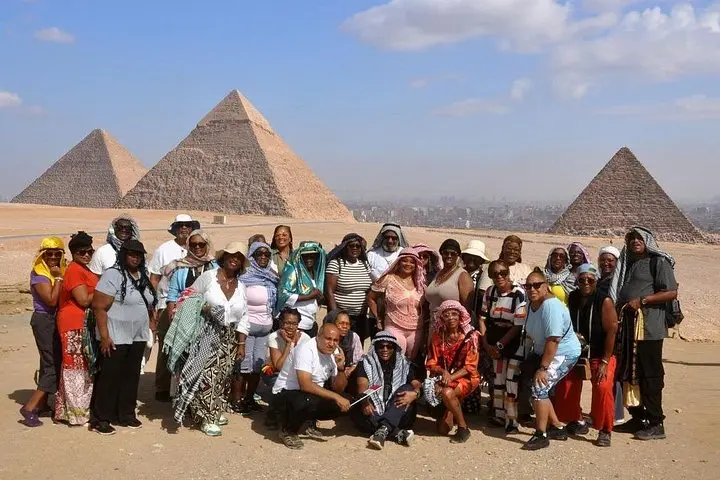

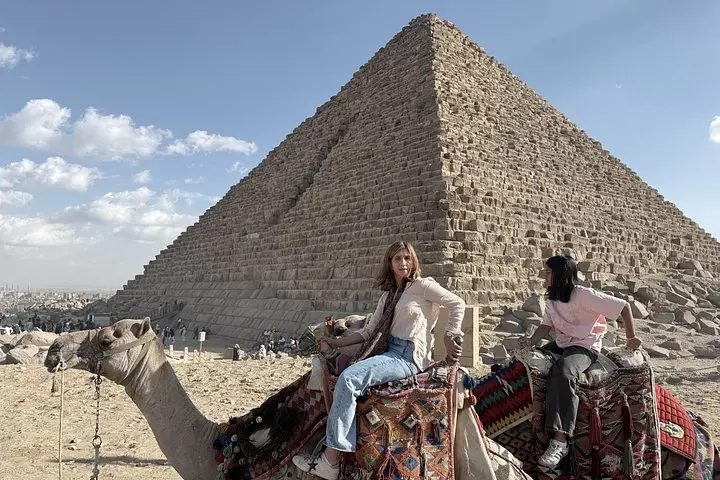
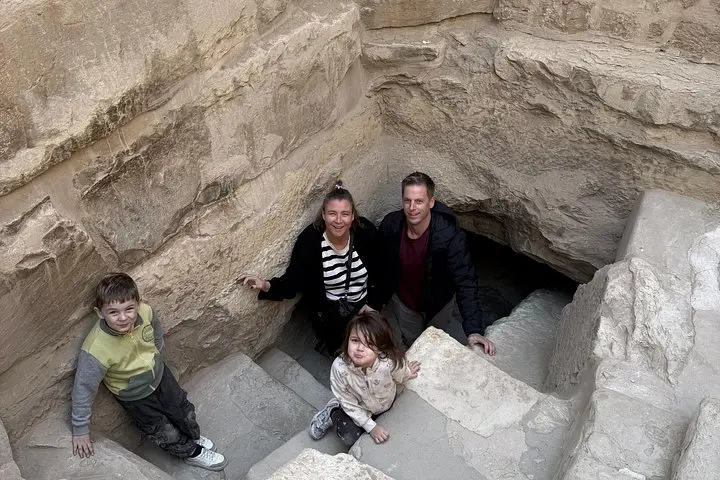
You step from an air-conditioned car into late-afternoon dust, the horizon dominated by stone triangles against a hard blue sky. The Sphinx watches as you move between blocks carved four millennia ago; later, on the Nile’s bank, columns throw long shadows across temple pavements while the desert wind keeps time.
You step from an air-conditioned car into late-afternoon dust, the horizon dominated by stone triangles against a hard blue sky. The Sphinx watches as you move between blocks carved four millennia ago; later, on the Nile’s bank, columns throw long shadows across temple pavements while the desert wind keeps time.
This four-day route threads two capitals of pharaonic power: Giza and the Pyramids, then Luxor’s East and West Banks with Karnak, Luxor Temple, and the Valley of the Kings. Geologically, the limestone plateaus of Giza contrast with the alabaster and sandstone quarries of Upper Egypt; culturally, you’ll pass sites that chart the New Kingdom’s peak of art, religion, and funerary engineering.
Expect guided walks across uneven stone causeways, short climbs to viewing points, and time inside guarded tomb passages; average walking segments per site are 1–2 kilometers, mostly flat but with steps. The itinerary balances museum-style exhibits (the new Grand Egyptian Museum near Giza) with open-air colossal architecture—so plan for sun, dust, and crowds at peak hours.
Practical guidance: carry 2–3 liters of water daily, a wide-brim hat, breathable layers, and sturdy closed-toe shoes with grip for temple steps and tomb ramps. Morning and late-afternoon visits reduce heat and glare; modest dress is required at religious sites. Passport copies and modest physical fitness for multi-site days make the trip smooth. For a compact, intense taste of ancient Egypt, this four-day loop delivers the monuments, context, and the steady, tactile reality of an ancient landscape you can still walk through.