THE ADVENTURE COLLECTIVE® · Independent discovery and booking for outdoor travel

Board a stable power cat for three hours of small-group whale watching out of Icy Strait Point. Expect humpbacks, sea otters, bald eagles and knowledgeable local guides on tours that prioritize comfort and wildlife etiquette.
Board a stable power cat for three hours of small-group whale watching out of Icy Strait Point. Expect humpbacks, sea otters, bald eagles and knowledgeable local guides on tours that prioritize comfort and wildlife etiquette.
The dock smells of diesel and cold salt; the harbor glass breaks into white where the captain eases the 38-foot power cat away from shore. Winds push the bow and gulls wheel as the trees of Chichagof Island fall behind. On clear days vapor plumes announce humpbacks before the hull sees them — a slow, theatrical rise, a dark back, and enough spray to make you forget the city.
Verified experiences and guided adventures in the surrounding area.
Operated by Catch of the day LLC · Hoonah, Alaska
The dock smells of diesel and cold salt; the harbor glass breaks into white where the captain eases the 38-foot power cat away from shore. Winds push the bow and gulls wheel as the trees of Chichagof Island fall behind. On clear days vapor plumes announce humpbacks before the hull sees them — a slow, theatrical rise, a dark back, and enough spray to make you forget the city.
This coast was, and remains, Tlingit country. Icy Strait Point grew around a salmon cannery and the ebb of industrial Alaska; the shoreline still bears the scars of logging and the slow reshaping by glaciers that gouged the fjords and left deep channels like Point Adolphus — a magnet for feeding whales. Local guides here combine decades on these currents with Tlingit knowledge and a respect for seasonal patterns.
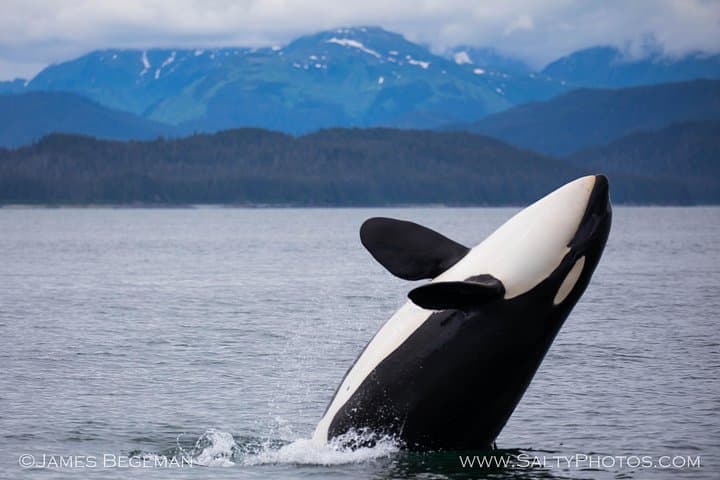
Expect concentrated wildlife viewing: humpback whales, porpoises, sea otters, seals and bald eagles are common; orcas appear less often. Tours run about three hours including a short transfer from the cruise dock, aboard a stable catamaran with bench seating, a heated cabin and a marine head. Group sizes are intentionally small — usually 6–16 passengers — improving sightlines and allowing quieter approaches.
Practical advice: arrive 30 minutes early for pickup, dress in breathable layers and a waterproof shell, bring binoculars and motion-sickness meds if you’re sensitive. Operators follow NOAA guidelines for distance and disturbance; carry your camera but also spend time looking up — the best moments require no lens.
Tours run about three hours door-to-door and include pickup from a designated point near the cruise ship terminal; you must arrive 30 minutes before departure.
No wildlife can be guaranteed, but humpbacks and sea otters are commonly seen; orcas are possible but less frequent.
The catamaran design reduces roll relative to monohulls, lowering sea-sickness risk, but sensitive passengers should still bring medication.
Children are allowed but some operators restrict under-5s; check operator policy and ensure young kids are prepared for the boat and safety briefing.
Catch of the day LLC operates guided outdoor trips and adventures with an emphasis on safety, stewardship, and memorable experiences.


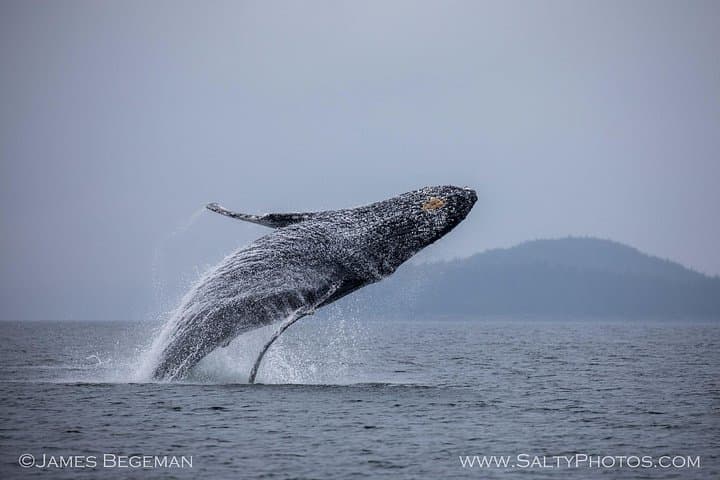
The dock smells of diesel and cold salt; the harbor glass breaks into white where the captain eases the 38-foot power cat away from shore. Winds push the bow and gulls wheel as the trees of Chichagof Island fall behind. On clear days vapor plumes announce humpbacks before the hull sees them — a slow, theatrical rise, a dark back, and enough spray to make you forget the city.
The dock smells of diesel and cold salt; the harbor glass breaks into white where the captain eases the 38-foot power cat away from shore. Winds push the bow and gulls wheel as the trees of Chichagof Island fall behind. On clear days vapor plumes announce humpbacks before the hull sees them — a slow, theatrical rise, a dark back, and enough spray to make you forget the city.
This coast was, and remains, Tlingit country. Icy Strait Point grew around a salmon cannery and the ebb of industrial Alaska; the shoreline still bears the scars of logging and the slow reshaping by glaciers that gouged the fjords and left deep channels like Point Adolphus — a magnet for feeding whales. Local guides here combine decades on these currents with Tlingit knowledge and a respect for seasonal patterns.
Expect concentrated wildlife viewing: humpback whales, porpoises, sea otters, seals and bald eagles are common; orcas appear less often. Tours run about three hours including a short transfer from the cruise dock, aboard a stable catamaran with bench seating, a heated cabin and a marine head. Group sizes are intentionally small — usually 6–16 passengers — improving sightlines and allowing quieter approaches.
Practical advice: arrive 30 minutes early for pickup, dress in breathable layers and a waterproof shell, bring binoculars and motion-sickness meds if you’re sensitive. Operators follow NOAA guidelines for distance and disturbance; carry your camera but also spend time looking up — the best moments require no lens.