THE ADVENTURE COLLECTIVE® · Independent discovery and booking for outdoor travel

Board a deluxe bus from Kyoto, cross the Seto Inland Sea by ferry, and spend a day on Ieshima sampling fresh kaisendon and exploring shrine-lined lanes. This one-day trip pairs local seafood with coastal walks and about 90 minutes of free time for independent exploration.
Board a deluxe bus from Kyoto, cross the Seto Inland Sea by ferry, and spend a day on Ieshima sampling fresh kaisendon and exploring shrine-lined lanes. This one-day trip pairs local seafood with coastal walks and about 90 minutes of free time for independent exploration.
You step off the bus at Himeji Port and the air changes: saline breath, gull calls, and a horizon that seems to pull you toward the Seto Inland Sea.
Verified experiences and guided adventures in the surrounding area.
Operated by LIMON and Yui Olivia · Himeji, Hyogo
You step off the bus at Himeji Port and the air changes: saline breath, gull calls, and a horizon that seems to pull you toward the Seto Inland Sea.
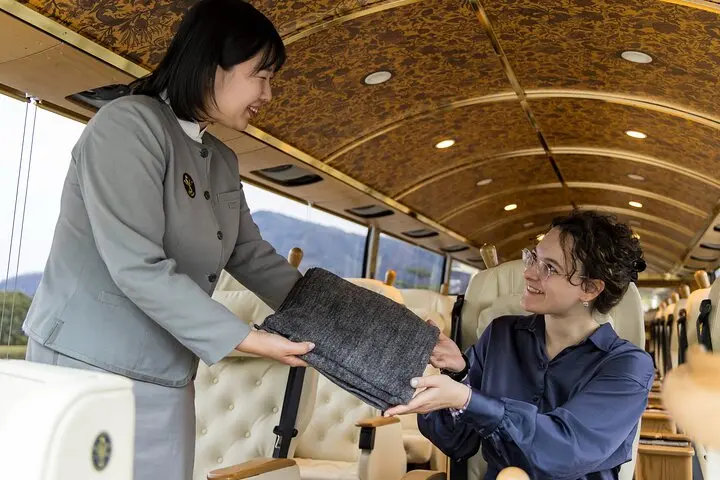
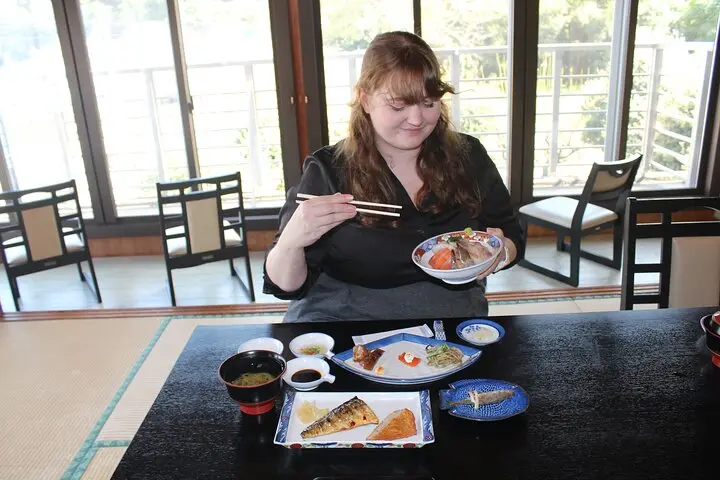
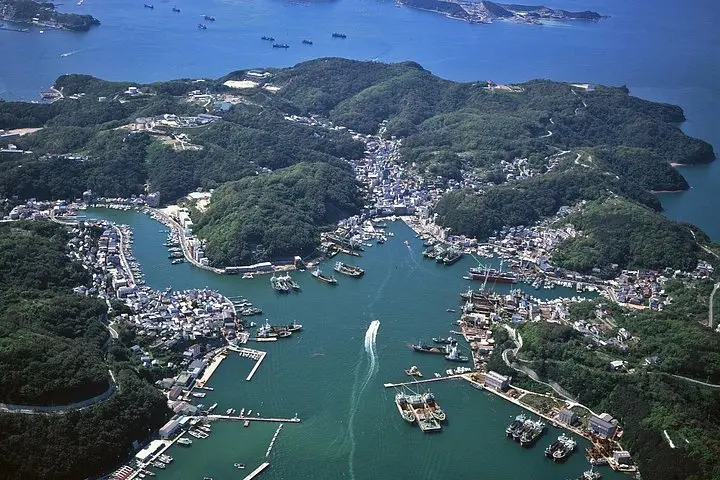
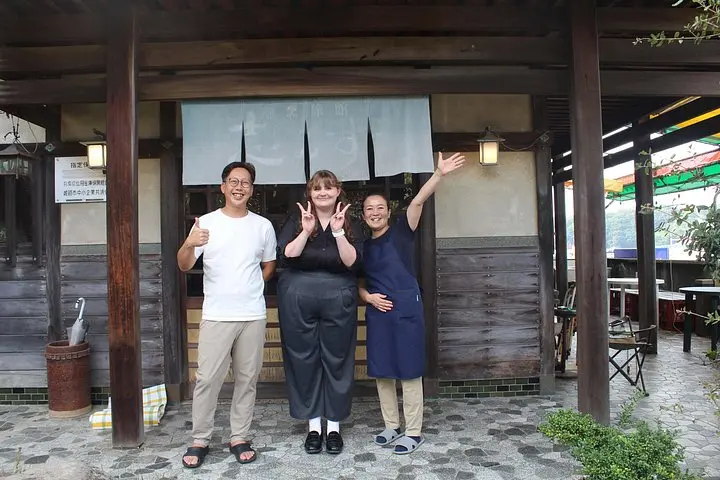
A 30-minute ferry eases across glassy water to Ieshima — literally “House Island” — where low cliffs, shingled fishing boats, and salt-sprayed concrete meet quiet lanes. The tour’s rhythm is deliberate: a deluxe bus from Kyoto, a short ferry, and a family-run lunch at Restaurant Shimizu where a kaisendon (seafood rice bowl) showcases that morning’s catch.
Ieshima’s human story is coastal Japan — fishing communities shaped by shallow inland seas and sheltered channels. Geologically the archipelago is sculpted from ancient coastal terraces and wave-cut platforms; you’ll notice compact rocky shorelines and small wooded pockets that hide a shrine preserved from rapid development.
Culturally the island retains a slow cadence: fishermen mending nets, shrines with cedar shadows, and shops that close early. During your 90 minutes of free time you can walk to a shrine ringed by untouched woods, stroll quiet lanes, and watch tidal pools shift with the breeze.
Practically: the full outing is about nine hours including transport. Expect significant walking and standing; the tour provides bottled water, onboard Wi‑Fi, USB plugs, and a restroom. Wear sturdy, slip-resistant shoes for wet rock and village steps, bring sun protection for exposed shorelines, and plan for a brisk sea breeze off the ferry. The return includes a JR train ticket to Kyoto or Osaka. Arrive early, move at an island pace, and leave with fresh fish on your palate and a clearer sense of Japan’s coastal life.
The tour departs from Kyoto by deluxe bus to Himeji Port, includes the ferry to Ieshima, and returns to Himeji JR Station with a train ticket back to Kyoto or Osaka.
Yes—lunch at Restaurant Shimizu featuring locally caught fish (kaisendon) is included in the tour price.
You have about 90 minutes of free time to visit a shrine, wander village lanes, or watch the shoreline.
Participants should be able to walk up bus stairs and manage uneven village paths; the tour requires a moderate level of fitness and mobility.
LIMON and Yui Olivia operates guided outdoor trips and adventures with an emphasis on safety, stewardship, and memorable experiences.
You step off the bus at Himeji Port and the air changes: saline breath, gull calls, and a horizon that seems to pull you toward the Seto Inland Sea.
You step off the bus at Himeji Port and the air changes: saline breath, gull calls, and a horizon that seems to pull you toward the Seto Inland Sea.
A 30-minute ferry eases across glassy water to Ieshima — literally “House Island” — where low cliffs, shingled fishing boats, and salt-sprayed concrete meet quiet lanes. The tour’s rhythm is deliberate: a deluxe bus from Kyoto, a short ferry, and a family-run lunch at Restaurant Shimizu where a kaisendon (seafood rice bowl) showcases that morning’s catch.
Ieshima’s human story is coastal Japan — fishing communities shaped by shallow inland seas and sheltered channels. Geologically the archipelago is sculpted from ancient coastal terraces and wave-cut platforms; you’ll notice compact rocky shorelines and small wooded pockets that hide a shrine preserved from rapid development.
Culturally the island retains a slow cadence: fishermen mending nets, shrines with cedar shadows, and shops that close early. During your 90 minutes of free time you can walk to a shrine ringed by untouched woods, stroll quiet lanes, and watch tidal pools shift with the breeze.
Practically: the full outing is about nine hours including transport. Expect significant walking and standing; the tour provides bottled water, onboard Wi‑Fi, USB plugs, and a restroom. Wear sturdy, slip-resistant shoes for wet rock and village steps, bring sun protection for exposed shorelines, and plan for a brisk sea breeze off the ferry. The return includes a JR train ticket to Kyoto or Osaka. Arrive early, move at an island pace, and leave with fresh fish on your palate and a clearer sense of Japan’s coastal life.