THE ADVENTURE COLLECTIVE® · Independent discovery and booking for outdoor travel

Spend a day hiking the Middle Atlas from Azrou through oak and cedar forests, dramatic cliff viewpoints and a short wildlife encounter with Barbary macaques. This moderate 16 km loop combines geology, culture and accessible mountain scenery.
Spend a day hiking the Middle Atlas from Azrou through oak and cedar forests, dramatic cliff viewpoints and a short wildlife encounter with Barbary macaques. This moderate 16 km loop combines geology, culture and accessible mountain scenery.
You step out of Azrou as the morning light slants through Atlas cedar boughs and the air smells faintly of damp earth and pine resin.
Verified experiences and guided adventures in the surrounding area.
Operated by SummitBerber · Azrou, Fès-Meknès
You step out of Azrou as the morning light slants through Atlas cedar boughs and the air smells faintly of damp earth and pine resin.
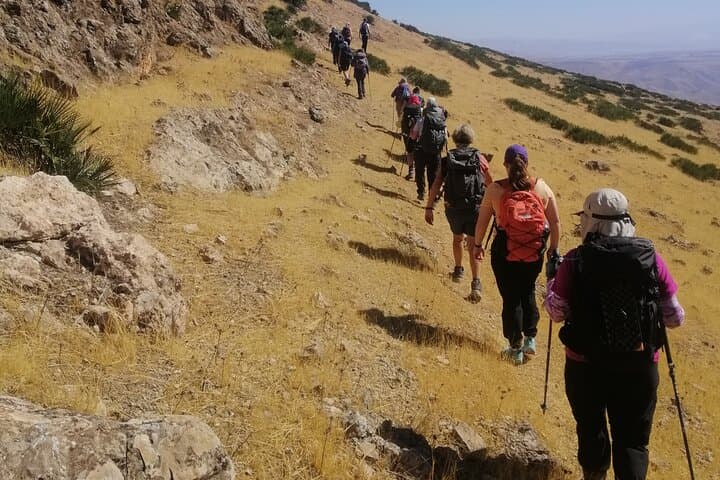
The route moves through Sabab oak stands, climbs to Les Falaises for a clear, rocky panorama, threads into Sahab cedar groves and finishes with a short visit to Moudmam Park where Barbary macaques make curious appearances. The trail alternates shaded singletrack, open ridgelines and uneven scree; the terrain keeps you focused and rewarded with sudden views of the Middle Atlas plateau.
Ifrane National Park sits on limestone and volcanic rocks uplifted by the Atlas orogeny; the cedar forests here are centuries old and culturally important to nearby Amazigh (Berber) communities. Azrou itself shows French-era planning alongside traditional mountain life—local shepherding and cedar harvest practices shaped the landscape you walk today.
Practical guidance: the loop is about 16 km with roughly 1,850 m elevation reached on the route profile, completed in roughly 5–6 hours. Expect variable weather—bring layers and a waterproof shell. Carry at least 1.5–2 L of water, a packed lunch, and sturdy boots; watch for loose rock near cliff viewpoints. Keep distance from macaques and don’t feed wildlife to protect both animals and hikers.
Timing: start early to avoid afternoon winds and to get quiet moments in the cedar stands. The trail is moderate in effort but rewards steady hikers with strong views, rich birdlife and an intimate look at Morocco’s highland ecology.
Moderate fitness is required: expect steady climbs, uneven terrain, and a full-day outing—regular hill walking or cardio training will help.
This tour departs from Azrou; confirm pickup details at booking—many departures meet at a central point in town rather than include private transfers.
You will likely encounter macaques in Moudmam Park, but maintain distance and do not feed them to avoid stress or aggressive behavior.
Facilities are limited on the route; use restrooms in Azrou before departure and bring sufficient water as refills are not guaranteed.
SummitBerber operates guided outdoor trips and adventures with an emphasis on safety, stewardship, and memorable experiences.


You step out of Azrou as the morning light slants through Atlas cedar boughs and the air smells faintly of damp earth and pine resin.
You step out of Azrou as the morning light slants through Atlas cedar boughs and the air smells faintly of damp earth and pine resin.
The route moves through Sabab oak stands, climbs to Les Falaises for a clear, rocky panorama, threads into Sahab cedar groves and finishes with a short visit to Moudmam Park where Barbary macaques make curious appearances. The trail alternates shaded singletrack, open ridgelines and uneven scree; the terrain keeps you focused and rewarded with sudden views of the Middle Atlas plateau.
Ifrane National Park sits on limestone and volcanic rocks uplifted by the Atlas orogeny; the cedar forests here are centuries old and culturally important to nearby Amazigh (Berber) communities. Azrou itself shows French-era planning alongside traditional mountain life—local shepherding and cedar harvest practices shaped the landscape you walk today.
Practical guidance: the loop is about 16 km with roughly 1,850 m elevation reached on the route profile, completed in roughly 5–6 hours. Expect variable weather—bring layers and a waterproof shell. Carry at least 1.5–2 L of water, a packed lunch, and sturdy boots; watch for loose rock near cliff viewpoints. Keep distance from macaques and don’t feed wildlife to protect both animals and hikers.
Timing: start early to avoid afternoon winds and to get quiet moments in the cedar stands. The trail is moderate in effort but rewards steady hikers with strong views, rich birdlife and an intimate look at Morocco’s highland ecology.