THE ADVENTURE COLLECTIVE® · Independent discovery and booking for outdoor travel

Experience Iguassu Falls over two days with private pickups at IGU airport and guided visits to both the Argentine and Brazilian sides. This tour pairs dramatic viewpoints with practical logistics—perfect for travelers with limited time who want the full perspective.
Experience Iguassu Falls over two days with private pickups at IGU airport and guided visits to both the Argentine and Brazilian sides. This tour pairs dramatic viewpoints with practical logistics—perfect for travelers with limited time who want the full perspective.
You step off the shuttle at IGU and the air carries a humid, green insistence—an immediate reminder that these falls are driven by jungle as much as by river. Over two days a private guide moves you between lookouts and walkways on both the Brazilian and Argentine sides, trading panorama for intimate spray and back again.
Verified experiences and guided adventures in the surrounding area.
Operated by Neumann Operadora de Receptivo · Foz do Iguaçu, Paraná
You step off the shuttle at IGU and the air carries a humid, green insistence—an immediate reminder that these falls are driven by jungle as much as by river. Over two days a private guide moves you between lookouts and walkways on both the Brazilian and Argentine sides, trading panorama for intimate spray and back again.
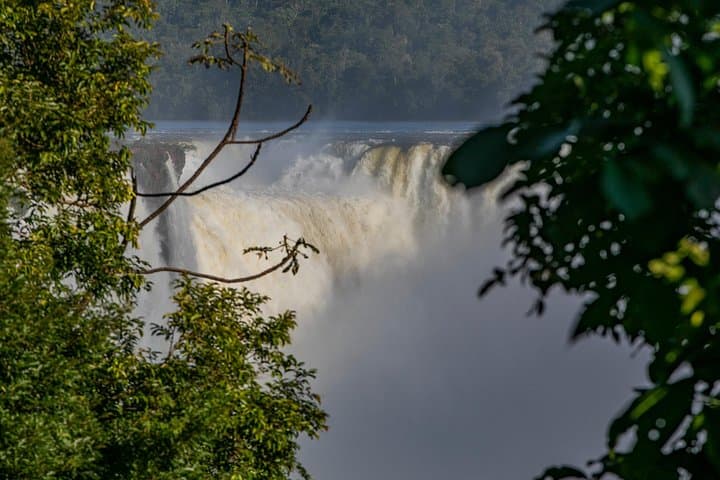
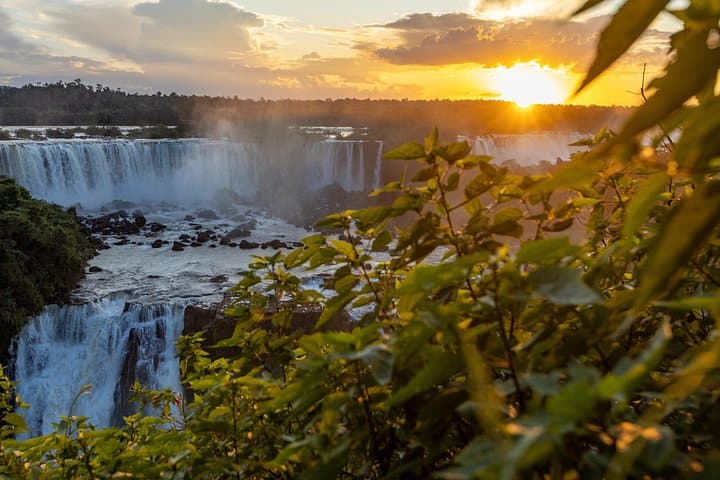
Geology here is blunt and recent in geological terms: basalt plateaus eroded by the Iguazú River have opened a horseshoe of falls where water shreds over hard volcanic rock. The Guaraní people long called the rivers and forests home; colonial maps later fixed modern borders—today the cascades form a shared spectacle honored as a UNESCO World Heritage site.
Culturally the area is bilingual and border‑fluid—Portuguese and Spanish appear on signs, and small markets sell local cassava snacks and empanadas. Expect paved paths and metal catwalks, some steep stairs, and viewpoints that bring you so close the mist dares your camera lens.
Practical: carry your passport for the border crossing, buy national-park admission tickets separately, and allow full days for each side (Argentina commonly needs 6–7 hours; Brazil about 3–4). Wear grippy shoes; pack a lightweight waterproof layer and a dry bag for electronics. Early starts cut the crowds and maximize wildlife sightings—coatis, toucans, and kingfishers frequent the trails. Guides manage logistics and timing with the airport transfers, but confirm pickup windows for departure day. In short: logistics are handled, but bring stamina for long days and an appetite for wet, thunderous views.
Yes—crossing between Brazil and Argentina requires a passport; check visa requirements for your nationality in advance.
No—national park entrance fees for Argentina and Brazil are paid separately at the parks or via their official websites.
Parts of the Brazilian side have wheelchair‑friendly paths, but the Argentine side includes stairs and longer trails; discuss mobility needs with the operator before booking.
Plan for a full day (6–7 hours) on the Argentine side to explore trails and viewpoints, and 3–4 hours on the Brazilian side for panoramic vistas and shorter walks.
Neumann Operadora de Receptivo operates guided outdoor trips and adventures with an emphasis on safety, stewardship, and memorable experiences.


You step off the shuttle at IGU and the air carries a humid, green insistence—an immediate reminder that these falls are driven by jungle as much as by river. Over two days a private guide moves you between lookouts and walkways on both the Brazilian and Argentine sides, trading panorama for intimate spray and back again.
You step off the shuttle at IGU and the air carries a humid, green insistence—an immediate reminder that these falls are driven by jungle as much as by river. Over two days a private guide moves you between lookouts and walkways on both the Brazilian and Argentine sides, trading panorama for intimate spray and back again.
Geology here is blunt and recent in geological terms: basalt plateaus eroded by the Iguazú River have opened a horseshoe of falls where water shreds over hard volcanic rock. The Guaraní people long called the rivers and forests home; colonial maps later fixed modern borders—today the cascades form a shared spectacle honored as a UNESCO World Heritage site.
Culturally the area is bilingual and border‑fluid—Portuguese and Spanish appear on signs, and small markets sell local cassava snacks and empanadas. Expect paved paths and metal catwalks, some steep stairs, and viewpoints that bring you so close the mist dares your camera lens.
Practical: carry your passport for the border crossing, buy national-park admission tickets separately, and allow full days for each side (Argentina commonly needs 6–7 hours; Brazil about 3–4). Wear grippy shoes; pack a lightweight waterproof layer and a dry bag for electronics. Early starts cut the crowds and maximize wildlife sightings—coatis, toucans, and kingfishers frequent the trails. Guides manage logistics and timing with the airport transfers, but confirm pickup windows for departure day. In short: logistics are handled, but bring stamina for long days and an appetite for wet, thunderous views.