THE ADVENTURE COLLECTIVE® · Independent discovery and booking for outdoor travel

Witness the rare bluefire of Kawah Ijen on a pre-dawn hike from Banyuwangi. This guided trek blends raw volcanic geology with local mining culture and dramatic sunrise views over the crater lake.
Witness the rare bluefire of Kawah Ijen on a pre-dawn hike from Banyuwangi. This guided trek blends raw volcanic geology with local mining culture and dramatic sunrise views over the crater lake.
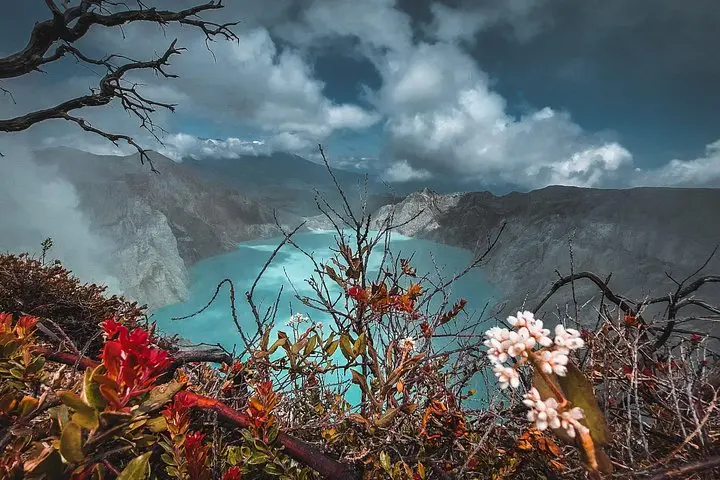
Before dawn a thin blue pulse appears in the crater throat, a cold flame against a coal-black pit. The climb begins in the dark: headlamps pick out volcanic scree, each step crunching past sulfur-stained rocks while distant lights trace the ferry crossing to Bali. By the summit rim, the crater lake spreads like oxidized glass and the famous bluefire—burning sulfur gases igniting where they meet oxygen—flares below, rare and fierce.
Verified experiences and guided adventures in the surrounding area.
Operated by Ijenlandscape · Banyuwangi, East Java
Before dawn a thin blue pulse appears in the crater throat, a cold flame against a coal-black pit. The climb begins in the dark: headlamps pick out volcanic scree, each step crunching past sulfur-stained rocks while distant lights trace the ferry crossing to Bali. By the summit rim, the crater lake spreads like oxidized glass and the famous bluefire—burning sulfur gases igniting where they meet oxygen—flares below, rare and fierce.
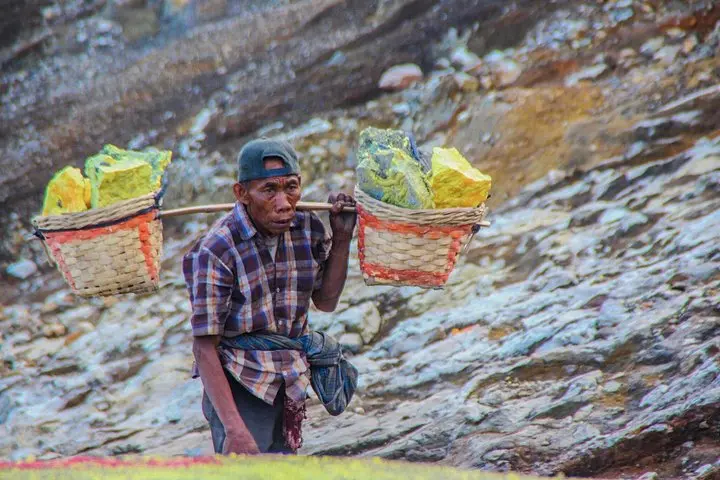
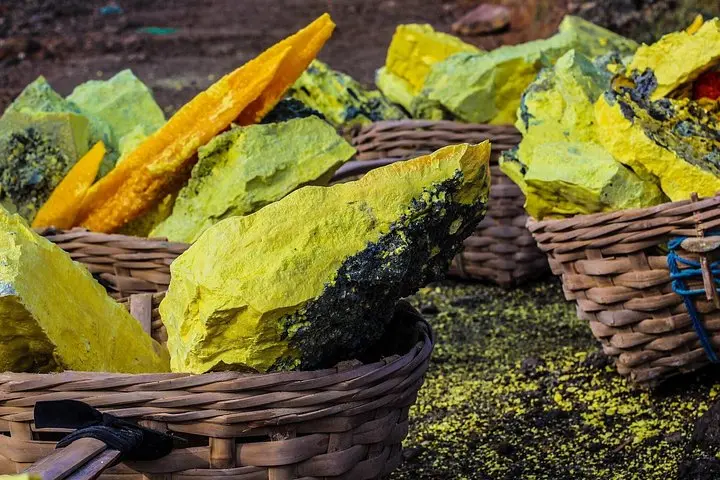
Ijen sits on the eastern tip of Java, a stratovolcanic complex shaped by repeated eruptions; its acid lake is among the largest of its kind. For generations local miners have descended into the crater to extract raw sulfur by hand, carrying heavy loads along narrow trails. The cultural imprint is visible: simple shelters at the rim, morning markets in Banyuwangi, and the quiet economy that surrounds the mine.
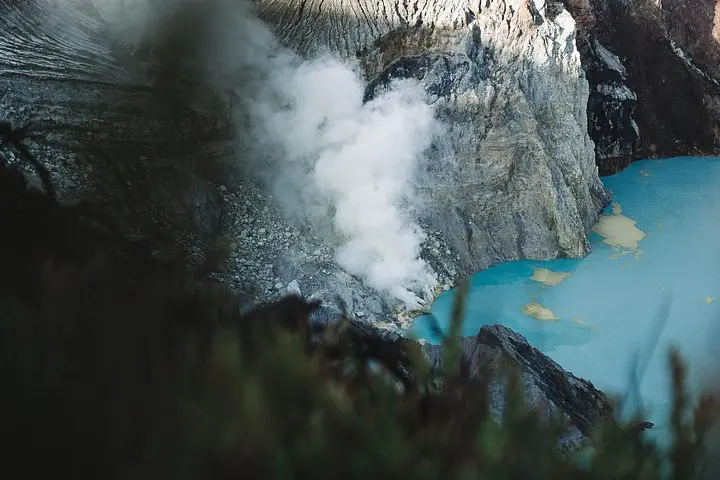
Expect a 3 km uphill trail from the parking area to the rim—about two hours at a steady pace—on loose volcanic rock with intermittent steep sections. Conditions are cold at the summit; toxic sulfur fumes can be present near the crater floor, so operators provide gas masks and guides advise keeping distance from active vents. Photography requires a steady tripod and fast lenses to capture the bluefire’s fleeting glow and the sunrise over the turquoise lake.
Practical tips: depart very early (tours typically start around 2–4 a.m.), wear sturdy boots, carry water and layers, and follow your guide’s instruction around miners and vents. The hike rewards effort with otherworldly light, geological drama, and a direct look at an active human landscape where nature and labor intersect.
Bluefire is visible pre-dawn when sulfur gases ignite in darkness; tours typically reach the viewing area before sunrise for the strongest effect.
Guides provide gas masks and will keep you away from active vents and miners; follow instructions and avoid descending into the crater without guide supervision.
The 3 km ascent from the parking area to the rim is steep in places and takes about two hours for fit hikers; descend carefully on loose scree.
Yes—use a tripod, wide aperture and high ISO for low-light shots; remember that flash will not capture the natural glow and that long exposures can blur moving flames.
Ijenlandscape operates guided outdoor trips and adventures with an emphasis on safety, stewardship, and memorable experiences.
Before dawn a thin blue pulse appears in the crater throat, a cold flame against a coal-black pit. The climb begins in the dark: headlamps pick out volcanic scree, each step crunching past sulfur-stained rocks while distant lights trace the ferry crossing to Bali. By the summit rim, the crater lake spreads like oxidized glass and the famous bluefire—burning sulfur gases igniting where they meet oxygen—flares below, rare and fierce.
Before dawn a thin blue pulse appears in the crater throat, a cold flame against a coal-black pit. The climb begins in the dark: headlamps pick out volcanic scree, each step crunching past sulfur-stained rocks while distant lights trace the ferry crossing to Bali. By the summit rim, the crater lake spreads like oxidized glass and the famous bluefire—burning sulfur gases igniting where they meet oxygen—flares below, rare and fierce.
Ijen sits on the eastern tip of Java, a stratovolcanic complex shaped by repeated eruptions; its acid lake is among the largest of its kind. For generations local miners have descended into the crater to extract raw sulfur by hand, carrying heavy loads along narrow trails. The cultural imprint is visible: simple shelters at the rim, morning markets in Banyuwangi, and the quiet economy that surrounds the mine.
Expect a 3 km uphill trail from the parking area to the rim—about two hours at a steady pace—on loose volcanic rock with intermittent steep sections. Conditions are cold at the summit; toxic sulfur fumes can be present near the crater floor, so operators provide gas masks and guides advise keeping distance from active vents. Photography requires a steady tripod and fast lenses to capture the bluefire’s fleeting glow and the sunrise over the turquoise lake.
Practical tips: depart very early (tours typically start around 2–4 a.m.), wear sturdy boots, carry water and layers, and follow your guide’s instruction around miners and vents. The hike rewards effort with otherworldly light, geological drama, and a direct look at an active human landscape where nature and labor intersect.