
Ijen Crater Sunrise Trek: Blue Fire, Sulfur Miners & Crater Lake Views
Hike to Ijen’s rim in the small hours to catch the rare blue fire and sunrise over a turquoise crater lake. This practical guide explains what to expect—from the steep ascent and sulfur fumes to the medical certificate requirement and miner encounters.
An Adventure In Banyuwangi.
Hike to Ijen’s rim in the small hours to catch the rare blue fire and sunrise over a turquoise crater lake. This practical guide explains what to expect—from the steep ascent and sulfur fumes to the medical certificate requirement and miner encounters.
Read the full experience
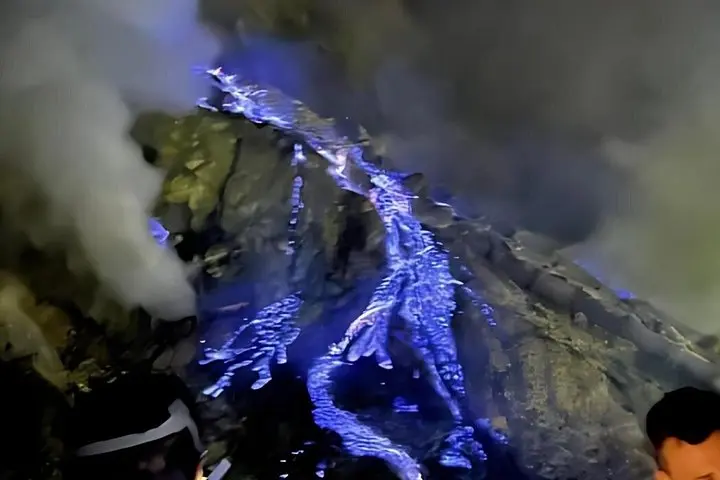
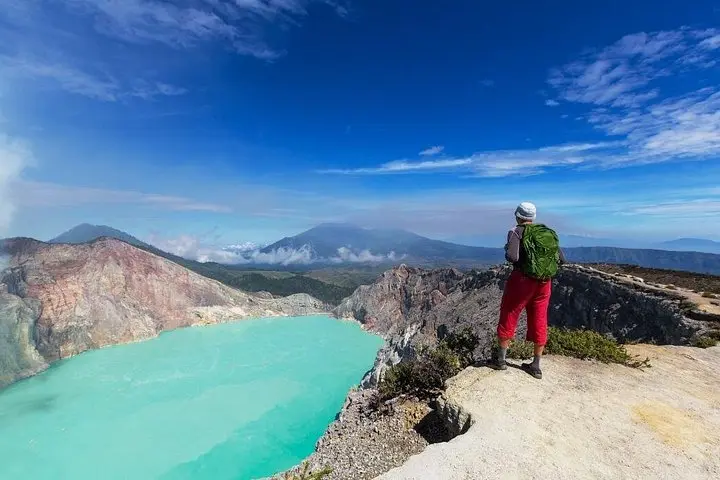
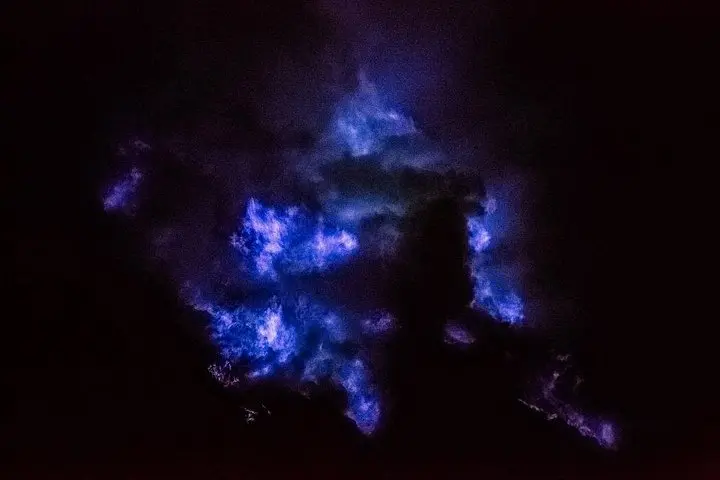
Before dawn, a narrow trail climbs from a small parking area into a pitch-black tropical ridge, headlamps bobbing like maritime lights as hikers push toward Ijen’s rim. The air grows colder and thinner; the sulfurous breath of the crater comes first as a faint, metallic tang and then a sharp sting that tests your mask. At the rim, the crater lake opens—an alien green bowl—and, if conditions cooperate, the eerie blue flames burn low along the fumaroles like a living mineral river.
Before dawn, a narrow trail climbs from a small parking area into a pitch-black tropical ridge, headlamps bobbing like maritime lights as hikers push toward Ijen’s rim. The air grows colder and thinner; the sulfurous breath of the crater comes first as a faint, metallic tang and then a sharp sting that tests your mask. At the rim, the crater lake opens—an alien green bowl—and, if conditions cooperate, the eerie blue flames burn low along the fumaroles like a living mineral river.
Geology here is raw: Ijen is an active stratovolcano with a highly acidic caldera lake formed by hydrothermal alteration. The blue fire is a combustion of sulfuric gases that ignite on contact with air at high temperature—rare and best seen at night. Culturally, the site is defined by the small workforce of sulfur miners whose manual loads and daily climbs are central to the local economy and stories of human endurance.
Expect a steep, 1.5–3 km ascent from the trailhead to the rim on loose volcanic scree and jungle switchbacks; elevation reaches roughly 2,300–2,400 m. Guides supply gas masks and flashlights, and the operator includes ferry and land transfers when coming from Bali.
Practical guidance: secure a recent medical certificate as required by authorities, plan for a very early start (often midnight departures), and allocate time for the Bali–Java crossing. Hydrate well, wear sturdy treaded boots and warm layers for the rim, and respect miners by keeping distance and asking before photographing. Weather and wind dictate whether blue fire appears—visibility and safety always determine the final show.
Frequently asked questions
Yes—official Mount Ijen regulations require a medical certificate, typically issued within 1 day before the trek confirming fitness for hiking.
Blue fire is visible at night before dawn when sulfur gases ignite; clear, low-wind conditions improve visibility but sightings are not guaranteed for safety reasons.
The climb from the common trailhead to the rim typically takes 1.5–2.5 hours depending on fitness and trail conditions, with a shorter descent.
Most operators include standard gas masks; they reduce exposure to fumes but hikers sensitive to sulfur should bring higher-grade respirators and consult guides.
About This Experience
Bali Exploring Tours operates guided outdoor trips and adventures with an emphasis on safety, stewardship, and memorable experiences.
Adventure tips
Recommended gear
- Headlamp with fresh batteries: Hands-free light is essential for the pre-dawn ascent over unlit trails.
- Respirator or gas mask (n95 or supplied mask): Protects against sulfur fumes near fumaroles—guides usually provide one, but bring your own if you prefer.
- Sturdy hiking boots: Support and tread are critical for scree, mud, and steep switchbacks.
- Insulating layer and wind shell: Temperatures at the rim can be cold and windy—light insulated jacket and windproof shell help comfort.
Photos of the experience
Related adventures & guides
Read the full experience
Before dawn, a narrow trail climbs from a small parking area into a pitch-black tropical ridge, headlamps bobbing like maritime lights as hikers push toward Ijen’s rim. The air grows colder and thinner; the sulfurous breath of the crater comes first as a faint, metallic tang and then a sharp sting that tests your mask. At the rim, the crater lake opens—an alien green bowl—and, if conditions cooperate, the eerie blue flames burn low along the fumaroles like a living mineral river.
Before dawn, a narrow trail climbs from a small parking area into a pitch-black tropical ridge, headlamps bobbing like maritime lights as hikers push toward Ijen’s rim. The air grows colder and thinner; the sulfurous breath of the crater comes first as a faint, metallic tang and then a sharp sting that tests your mask. At the rim, the crater lake opens—an alien green bowl—and, if conditions cooperate, the eerie blue flames burn low along the fumaroles like a living mineral river.
Geology here is raw: Ijen is an active stratovolcano with a highly acidic caldera lake formed by hydrothermal alteration. The blue fire is a combustion of sulfuric gases that ignite on contact with air at high temperature—rare and best seen at night. Culturally, the site is defined by the small workforce of sulfur miners whose manual loads and daily climbs are central to the local economy and stories of human endurance.
Expect a steep, 1.5–3 km ascent from the trailhead to the rim on loose volcanic scree and jungle switchbacks; elevation reaches roughly 2,300–2,400 m. Guides supply gas masks and flashlights, and the operator includes ferry and land transfers when coming from Bali.
Practical guidance: secure a recent medical certificate as required by authorities, plan for a very early start (often midnight departures), and allocate time for the Bali–Java crossing. Hydrate well, wear sturdy treaded boots and warm layers for the rim, and respect miners by keeping distance and asking before photographing. Weather and wind dictate whether blue fire appears—visibility and safety always determine the final show.
Make a day of it nearby.
Verified experiences and guided adventures in the surrounding area.