THE ADVENTURE COLLECTIVE® · Independent discovery and booking for outdoor travel

Head off-road from Ijevan into the Tavush highlands to reach the spray-slick Vitasar waterfall and the summit trails of Mt Vitasar. This full-day expedition mixes rugged driving, short hikes, and local flavor in Dilijan’s forested uplands.
Head off-road from Ijevan into the Tavush highlands to reach the spray-slick Vitasar waterfall and the summit trails of Mt Vitasar. This full-day expedition mixes rugged driving, short hikes, and local flavor in Dilijan’s forested uplands.
A rutted jeep track lifts away from Ijevan and into Tavush’s green shoulder, the engine's thrum punctuating a landscape where pine slopes lean over narrow creeks. After a short bump through chest-high grass, the group slips from the vehicle and approaches Vitasar waterfall: water that has bored a clean channel through volcanic bedrock, daring you closer with its chilled spray.
Verified experiences and guided adventures in the surrounding area.
Operated by Around Tavush · Ijevan, Tavush
A rutted jeep track lifts away from Ijevan and into Tavush’s green shoulder, the engine's thrum punctuating a landscape where pine slopes lean over narrow creeks. After a short bump through chest-high grass, the group slips from the vehicle and approaches Vitasar waterfall: water that has bored a clean channel through volcanic bedrock, daring you closer with its chilled spray.
The route crosses foothills that mark the northern edge of the Lesser Caucasus. Geologically, these slopes are folded volcanic deposits and river-cut canyons; culturally, they sit amid centuries-old Armenian villages and small monasteries that once supplied travelers with shelter and stories. The area bears the imprint of rural Tavush life—stone fences, beehives, and fields of wildflowers in season—while Dilijan National Park’s managed forests press in on either side of the track.
Expect a mixed day: off-road driving across uneven dirt tracks, a 1–3 km hike to the waterfall on rocky, sometimes slippery ground, then an ascent to Mt Vitasar’s summit trails that are steep and intermittently faint. Guides usually provide tea and gata bread at a scenic stop; cash is useful in villages. Weather shifts fast at higher elevations—clouds can drop visibility and chill the air.
Practical tips: start early to avoid afternoon storms, wear stiff-soled hiking boots, carry 2–3 liters of water, and bring a waterproof layer. The experience suits travelers with moderate fitness who are comfortable on uneven terrain and keen to pair natural highlights with cultural roadside encounters.
The waterfall approach involves uneven, rocky paths suitable for moderately fit walkers; the summit includes steeper, intermittently faint trails—expect some short steep sections rather than technical climbing.
Private off-road transportation is included—locals typically use 4x4 or high-clearance vehicles to handle dirt tracks and rutted roads.
Late spring through early fall offers the best conditions—spring and early summer bring fuller waterfalls and wildflowers; autumn gives clear air and fall color.
There’s no routine entrance fee for casual day visits along these routes, but certain protected zones may have regulations; your guide will advise if any local fees apply.
Around Tavush operates guided outdoor trips and adventures with an emphasis on safety, stewardship, and memorable experiences.


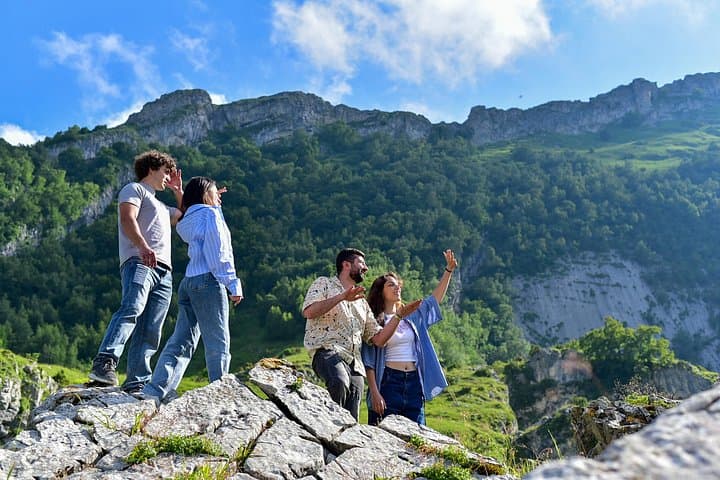
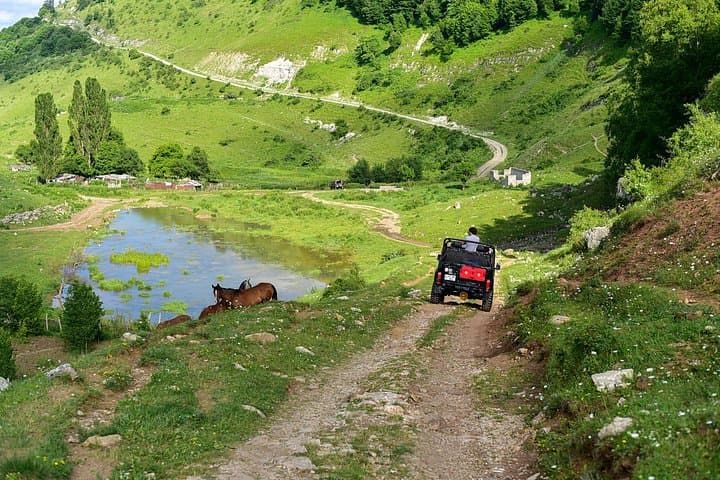
A rutted jeep track lifts away from Ijevan and into Tavush’s green shoulder, the engine's thrum punctuating a landscape where pine slopes lean over narrow creeks. After a short bump through chest-high grass, the group slips from the vehicle and approaches Vitasar waterfall: water that has bored a clean channel through volcanic bedrock, daring you closer with its chilled spray.
A rutted jeep track lifts away from Ijevan and into Tavush’s green shoulder, the engine's thrum punctuating a landscape where pine slopes lean over narrow creeks. After a short bump through chest-high grass, the group slips from the vehicle and approaches Vitasar waterfall: water that has bored a clean channel through volcanic bedrock, daring you closer with its chilled spray.
The route crosses foothills that mark the northern edge of the Lesser Caucasus. Geologically, these slopes are folded volcanic deposits and river-cut canyons; culturally, they sit amid centuries-old Armenian villages and small monasteries that once supplied travelers with shelter and stories. The area bears the imprint of rural Tavush life—stone fences, beehives, and fields of wildflowers in season—while Dilijan National Park’s managed forests press in on either side of the track.
Expect a mixed day: off-road driving across uneven dirt tracks, a 1–3 km hike to the waterfall on rocky, sometimes slippery ground, then an ascent to Mt Vitasar’s summit trails that are steep and intermittently faint. Guides usually provide tea and gata bread at a scenic stop; cash is useful in villages. Weather shifts fast at higher elevations—clouds can drop visibility and chill the air.
Practical tips: start early to avoid afternoon storms, wear stiff-soled hiking boots, carry 2–3 liters of water, and bring a waterproof layer. The experience suits travelers with moderate fitness who are comfortable on uneven terrain and keen to pair natural highlights with cultural roadside encounters.