THE ADVENTURE COLLECTIVE® · Independent discovery and booking for outdoor travel

Dress in a kimono and walk Ikebukuro’s Sugamo shopping street on a four-hour morning tour that pairs street-food tastings with a goshuin (temple-stamp) book. Ideal for travelers who want a hands-on cultural intro to everyday Tokyo life.
Dress in a kimono and walk Ikebukuro’s Sugamo shopping street on a four-hour morning tour that pairs street-food tastings with a goshuin (temple-stamp) book. Ideal for travelers who want a hands-on cultural intro to everyday Tokyo life.
Morning light hands Ikebukuro to a smaller, slower Tokyo. Participants step into simple kimonos and move through a district that still carries the city’s everyday rhythms: vendors arranging skewers, trains rumbling like distant punctuation, and shrine stones that have watched generations pass. The kimono changes the pace — fabric softens movements, and the street becomes more deliberate.
Verified experiences and guided adventures in the surrounding area.
Operated by IKEBUSアトカルツアー · Ikebukuro, Tokyo
Morning light hands Ikebukuro to a smaller, slower Tokyo. Participants step into simple kimonos and move through a district that still carries the city’s everyday rhythms: vendors arranging skewers, trains rumbling like distant punctuation, and shrine stones that have watched generations pass. The kimono changes the pace — fabric softens movements, and the street becomes more deliberate.
Ikebukuro grew from an Edo-era thoroughfare into a 20th-century transport hub; today it’s a layered neighborhood where postwar shops sit beside modern arcades. The tour focuses on Sugamo’s Jizo-dori, a shopping street famous for comfort food popular with older Tokyoites, and includes an original goshuin (temple stamp) book — a tangible link to Japan’s living shrine and temple culture. Geologically the ground is flat river plain, so the walk is gentle, but culturally there's depth: local vendors practicing recipes across decades, and shrine custodians issuing stamps with steady hands.
Practically, expect about four hours of low-impact walking at an easy pace, with stops for tastings covered by a ¥1,000 food voucher and a bus fare included in logistics. Staff assist with kimono dressing and explain shrine etiquette before you collect your goshuin. Wear comfortable, non-slip shoes that accommodate kimono movement and bring a small bag for purchases.
This is a morning for noticing textures — cotton and wooden trays, rice crackers warming under a lamp — and for moving through a neighborhood that rewards attention with quiet insights into everyday Tokyo life.
Kimono dressing is included and staff offer a range of sizes; you’ll be assisted into the outfit before the walk.
Yes—guides provide clear, slow explanations and demonstrations; basic English is used to explain cultural points and shrine procedures.
The voucher is for Sugamo street-food vendors—expect small bites like senbei (rice crackers), oden bites, or sweet treats equivalent to the value provided.
The tour notes wheelchair and stroller accessibility, but confirm at booking so guides can adjust the route and pacing if needed.
IKEBUSアトカルツアー operates guided outdoor trips and adventures with an emphasis on safety, stewardship, and memorable experiences.
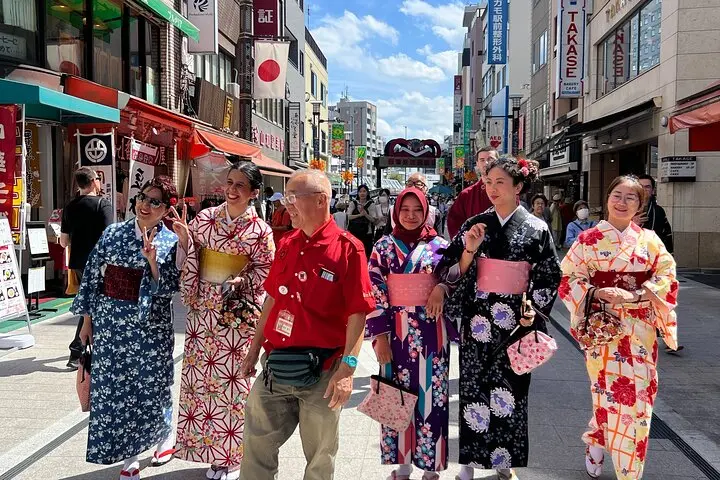
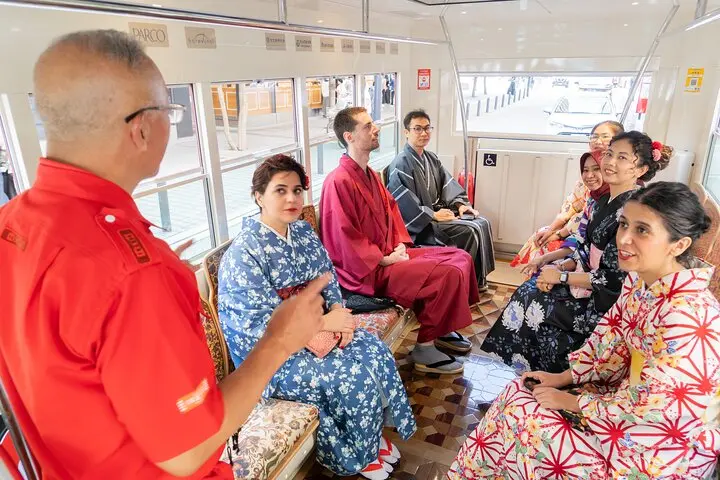
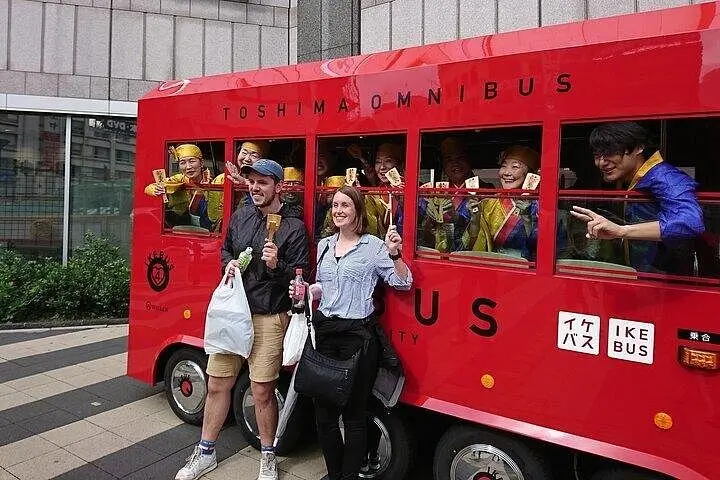
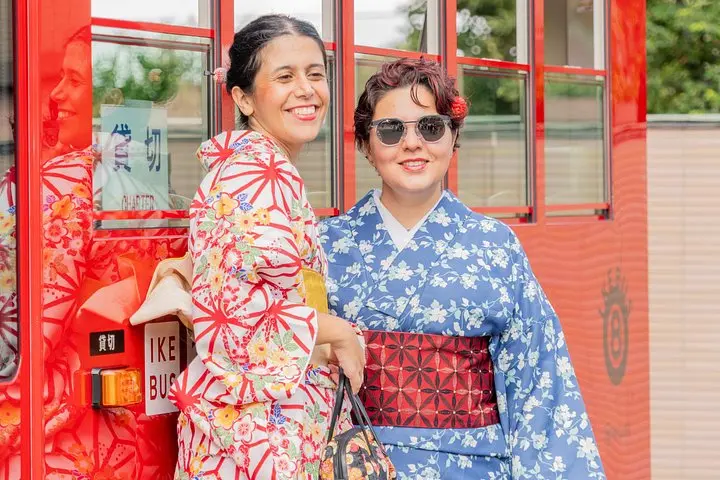
Morning light hands Ikebukuro to a smaller, slower Tokyo. Participants step into simple kimonos and move through a district that still carries the city’s everyday rhythms: vendors arranging skewers, trains rumbling like distant punctuation, and shrine stones that have watched generations pass. The kimono changes the pace — fabric softens movements, and the street becomes more deliberate.
Morning light hands Ikebukuro to a smaller, slower Tokyo. Participants step into simple kimonos and move through a district that still carries the city’s everyday rhythms: vendors arranging skewers, trains rumbling like distant punctuation, and shrine stones that have watched generations pass. The kimono changes the pace — fabric softens movements, and the street becomes more deliberate.
Ikebukuro grew from an Edo-era thoroughfare into a 20th-century transport hub; today it’s a layered neighborhood where postwar shops sit beside modern arcades. The tour focuses on Sugamo’s Jizo-dori, a shopping street famous for comfort food popular with older Tokyoites, and includes an original goshuin (temple stamp) book — a tangible link to Japan’s living shrine and temple culture. Geologically the ground is flat river plain, so the walk is gentle, but culturally there's depth: local vendors practicing recipes across decades, and shrine custodians issuing stamps with steady hands.
Practically, expect about four hours of low-impact walking at an easy pace, with stops for tastings covered by a ¥1,000 food voucher and a bus fare included in logistics. Staff assist with kimono dressing and explain shrine etiquette before you collect your goshuin. Wear comfortable, non-slip shoes that accommodate kimono movement and bring a small bag for purchases.
This is a morning for noticing textures — cotton and wooden trays, rice crackers warming under a lamp — and for moving through a neighborhood that rewards attention with quiet insights into everyday Tokyo life.