THE ADVENTURE COLLECTIVE® · Independent discovery and booking for outdoor travel

Cross the bridge from Québec City to experience Île d’Orléans on a three-hour walking tour of family farms, maple woods and rooftop tastings. Sample berries, maple, cheeses and local ciders while learning the island’s agricultural and cultural history.
Cross the bridge from Québec City to experience Île d’Orléans on a three-hour walking tour of family farms, maple woods and rooftop tastings. Sample berries, maple, cheeses and local ciders while learning the island’s agricultural and cultural history.
You step off the bridge and the St. Lawrence seems to push you onto the island, its current carving a clear line between city and country. Chemin Royal unfolds beneath old maples; rows of berries and sugarbushes run like living fences along narrow lanes. The air carries the crispness of river spray, maple smoke and the sweet tang of ripe fruit.
Verified experiences and guided adventures in the surrounding area.
Operated by Gestion Moritz Inc. · Île d'Orléans, Quebec
You step off the bridge and the St. Lawrence seems to push you onto the island, its current carving a clear line between city and country. Chemin Royal unfolds beneath old maples; rows of berries and sugarbushes run like living fences along narrow lanes. The air carries the crispness of river spray, maple smoke and the sweet tang of ripe fruit.
Île d'Orléans is one of the earliest footholds of French settlement in North America, inhabited and farmed since the 17th century. The island’s bedrock — folded sedimentary layers shaped by glacial scouring — creates low ridges and fertile soils that farmers have tilled for generations. Local culture still orbits family farms, small cidreries and cheese makers; food here is both livelihood and local history.
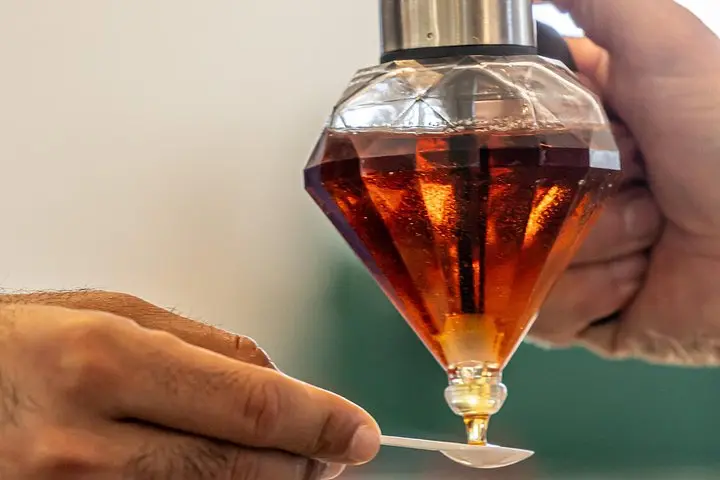
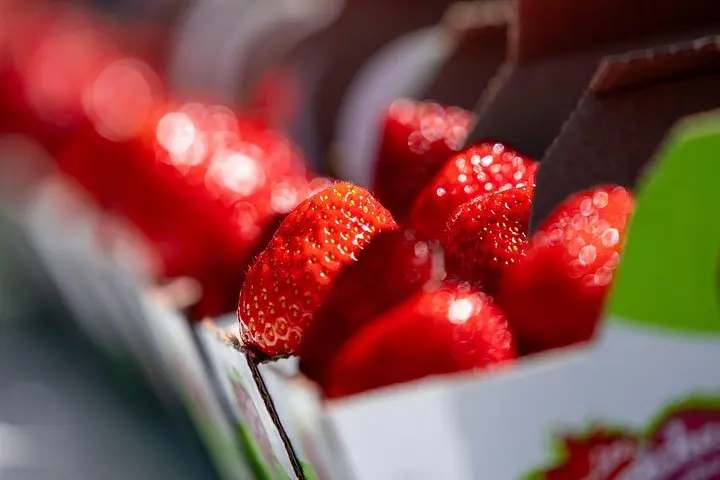
On a three-hour walking tour you’ll visit multigenerational farms, taste maple products in a sugarbush and sample berries, black garlic, artisanal cheeses and ice cider. Guides explain preservation techniques, seasonal planting cycles and how the island balances modern tourism with farming life.
Practically, expect mostly flat walking on paved and farm roads, short gravel stretches and minimal elevation change. Bring layered clothing for winds off the St. Lawrence, comfortable shoes for mixed terrain, and a reusable water bottle. Plan this in late spring through fall for peak produce; arrive by car or a quick transfer from Québec City and allow time afterwards to explore viewpoints and roadside stands. Respect private fields, follow your guide’s instructions during tastings, and carry out any waste — the island’s agricultural health depends on visitors who tread lightly.
Yes — the tour includes tastings of at least a dozen products such as berries, maple items, cheeses, blackcurrant products, beer and ice cider.
The island is a short 15-minute drive across the island bridge from downtown Québec City; many visitors drive or take a guided transfer to the meeting point at Motel Île d'Orléans.
Yes — the route is rated easy and suitable for children; strollers are usable on most sections and infant seats are available.
Yes — many stops offer farm products and packaged goods for purchase; bring cash or card for souvenirs and extra tastings.
Gestion Moritz Inc. operates guided outdoor trips and adventures with an emphasis on safety, stewardship, and memorable experiences.
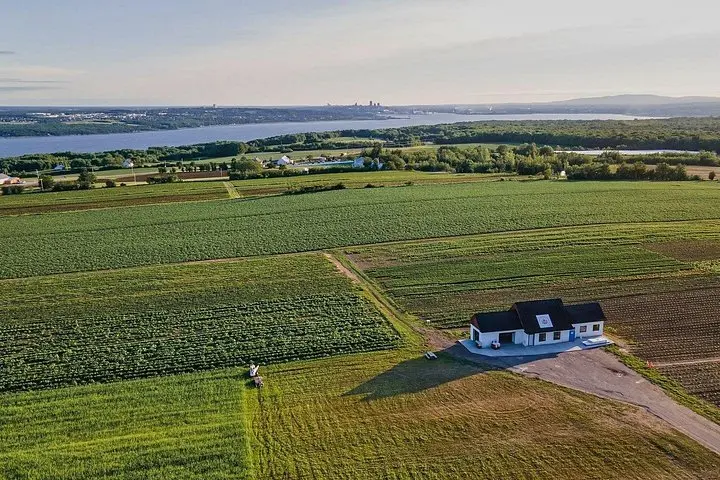
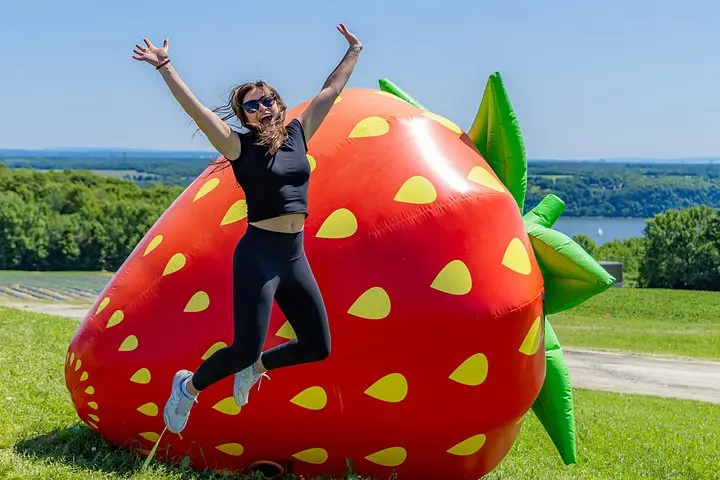
You step off the bridge and the St. Lawrence seems to push you onto the island, its current carving a clear line between city and country. Chemin Royal unfolds beneath old maples; rows of berries and sugarbushes run like living fences along narrow lanes. The air carries the crispness of river spray, maple smoke and the sweet tang of ripe fruit.
You step off the bridge and the St. Lawrence seems to push you onto the island, its current carving a clear line between city and country. Chemin Royal unfolds beneath old maples; rows of berries and sugarbushes run like living fences along narrow lanes. The air carries the crispness of river spray, maple smoke and the sweet tang of ripe fruit.
Île d'Orléans is one of the earliest footholds of French settlement in North America, inhabited and farmed since the 17th century. The island’s bedrock — folded sedimentary layers shaped by glacial scouring — creates low ridges and fertile soils that farmers have tilled for generations. Local culture still orbits family farms, small cidreries and cheese makers; food here is both livelihood and local history.
On a three-hour walking tour you’ll visit multigenerational farms, taste maple products in a sugarbush and sample berries, black garlic, artisanal cheeses and ice cider. Guides explain preservation techniques, seasonal planting cycles and how the island balances modern tourism with farming life.
Practically, expect mostly flat walking on paved and farm roads, short gravel stretches and minimal elevation change. Bring layered clothing for winds off the St. Lawrence, comfortable shoes for mixed terrain, and a reusable water bottle. Plan this in late spring through fall for peak produce; arrive by car or a quick transfer from Québec City and allow time afterwards to explore viewpoints and roadside stands. Respect private fields, follow your guide’s instructions during tastings, and carry out any waste — the island’s agricultural health depends on visitors who tread lightly.