THE ADVENTURE COLLECTIVE® · Independent discovery and booking for outdoor travel

Walk Ilfracombe’s living shoreline with a guide who stitches Victorian hotels, smuggling lore and a 14th‑century chapel into 90 minutes of coastal history. Perfect for history buffs and easy walkers.
Walk Ilfracombe’s living shoreline with a guide who stitches Victorian hotels, smuggling lore and a 14th‑century chapel into 90 minutes of coastal history. Perfect for history buffs and easy walkers.
The sea wind cuts through the narrow alleys as you step away from the Landmark Theatre and onto Ilfracombe’s pebbled seafront. Low, slate roofs lean toward the Bristol Channel and gulls wheel overhead; the harbor tightens like a fist, the pier jutting out as a small theatre for ships and stories.
Verified experiences and guided adventures in the surrounding area.
Operated by Devon History Tours · Ilfracombe, Devon
The sea wind cuts through the narrow alleys as you step away from the Landmark Theatre and onto Ilfracombe’s pebbled seafront. Low, slate roofs lean toward the Bristol Channel and gulls wheel overhead; the harbor tightens like a fist, the pier jutting out as a small theatre for ships and stories.
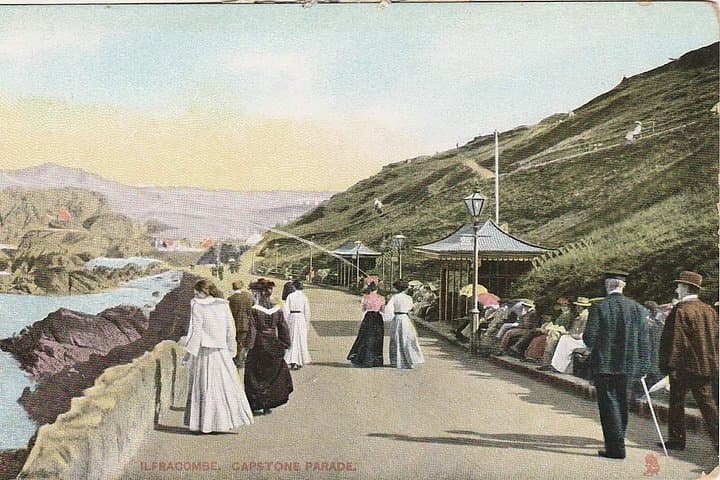
This 90‑minute guided walk threads Victorian grandeur and medieval maritime life. Ilfracombe’s port has operated since at least the 12th century, growing into a registered port of refuge on the Bristol Channel and later a Victorian seaside draw that birthed hotel villas and promenades. Geologically, the coast is a mix of Devonian slates and sandstones carved by tides and occasional quarrying, giving the harbour its steep, sheltering arms and views from Capstone Hill.
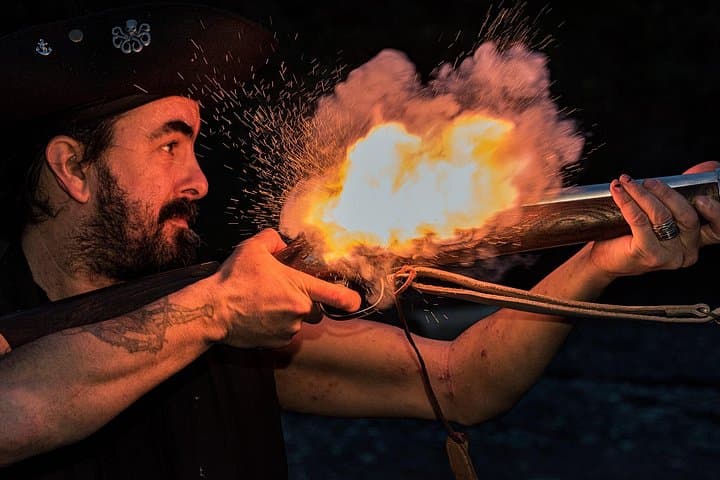
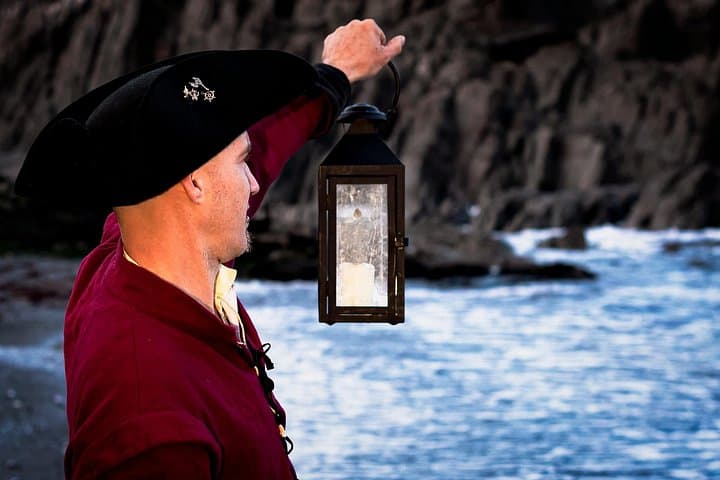
Culturally the town balances fishing traditions, maritime rescue lore and colourful local characters; guides point out haunted pubs, smuggler routes and St Nicholas’s Chapel — a working seafarers’ chapel that doubled as a beacon. Expect stories that tether place to people: fishermen, hoteliers of the 19th century and wartime harbour activity.
Practical guidance: the route is flat but includes cobbles and short stair sections — comfortable shoes matter. Tours run rain or shine; bring a waterproof layer and a charged phone for photos. Meeting point is near the Landmark Theatre and groups are typically under 15, so pace is conversational and accessible for most. Finish on the pier to watchboats and feel the tide pull at the harbour’s edge.
The guided walk lasts approximately 90 minutes and meets at the Landmark Theatre on the seafront, near the main harbour.
Yes—surfaces on the standard route are wheelchair and stroller accessible, though some adjacent alleys and steps are not included in the main route.
Friendly dogs on leads are welcome; guides ask owners to keep dogs controlled around other visitors and on the pier.
Tours may be cancelled for bad weather; for a full refund cancel at least 24 hours before departure per the standard policy.
Devon History Tours operates guided outdoor trips and adventures with an emphasis on safety, stewardship, and memorable experiences.
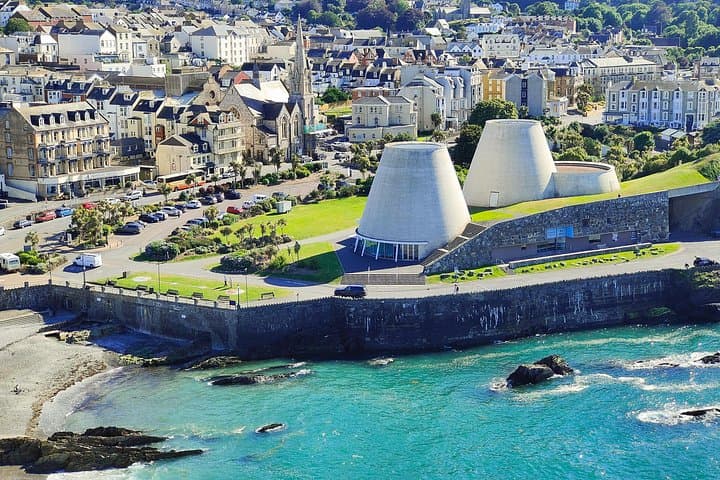
The sea wind cuts through the narrow alleys as you step away from the Landmark Theatre and onto Ilfracombe’s pebbled seafront. Low, slate roofs lean toward the Bristol Channel and gulls wheel overhead; the harbor tightens like a fist, the pier jutting out as a small theatre for ships and stories.
The sea wind cuts through the narrow alleys as you step away from the Landmark Theatre and onto Ilfracombe’s pebbled seafront. Low, slate roofs lean toward the Bristol Channel and gulls wheel overhead; the harbor tightens like a fist, the pier jutting out as a small theatre for ships and stories.
This 90‑minute guided walk threads Victorian grandeur and medieval maritime life. Ilfracombe’s port has operated since at least the 12th century, growing into a registered port of refuge on the Bristol Channel and later a Victorian seaside draw that birthed hotel villas and promenades. Geologically, the coast is a mix of Devonian slates and sandstones carved by tides and occasional quarrying, giving the harbour its steep, sheltering arms and views from Capstone Hill.
Culturally the town balances fishing traditions, maritime rescue lore and colourful local characters; guides point out haunted pubs, smuggler routes and St Nicholas’s Chapel — a working seafarers’ chapel that doubled as a beacon. Expect stories that tether place to people: fishermen, hoteliers of the 19th century and wartime harbour activity.
Practical guidance: the route is flat but includes cobbles and short stair sections — comfortable shoes matter. Tours run rain or shine; bring a waterproof layer and a charged phone for photos. Meeting point is near the Landmark Theatre and groups are typically under 15, so pace is conversational and accessible for most. Finish on the pier to watchboats and feel the tide pull at the harbour’s edge.