THE ADVENTURE COLLECTIVE® · Independent discovery and booking for outdoor travel

Walk an 8 km limestone canyon carved by time, from shaded narrows to a seaside finish. This full-day hike from Chania blends easy terrain, dramatic walls up to 300 m high, and a beachside reward at the Libyan Sea.
Walk an 8 km limestone canyon carved by time, from shaded narrows to a seaside finish. This full-day hike from Chania blends easy terrain, dramatic walls up to 300 m high, and a beachside reward at the Libyan Sea.
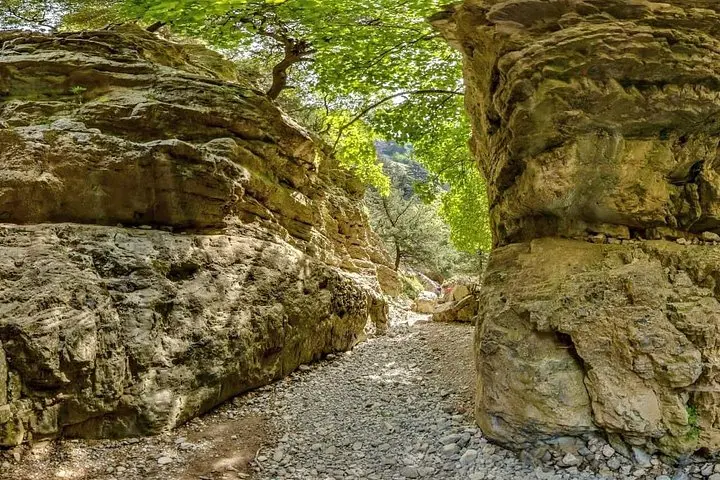
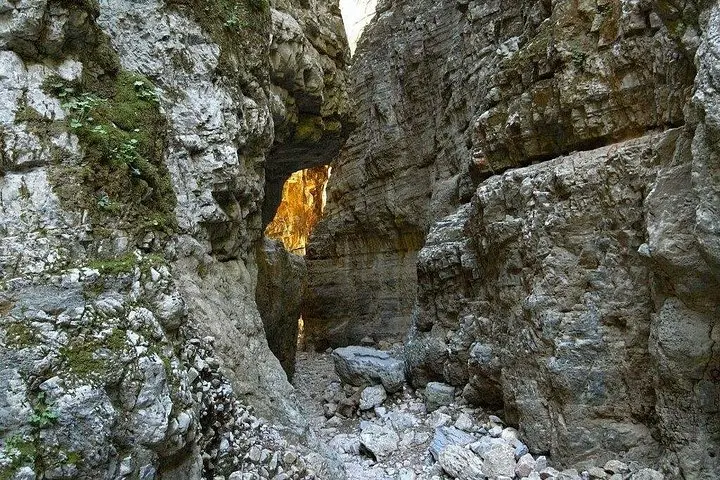
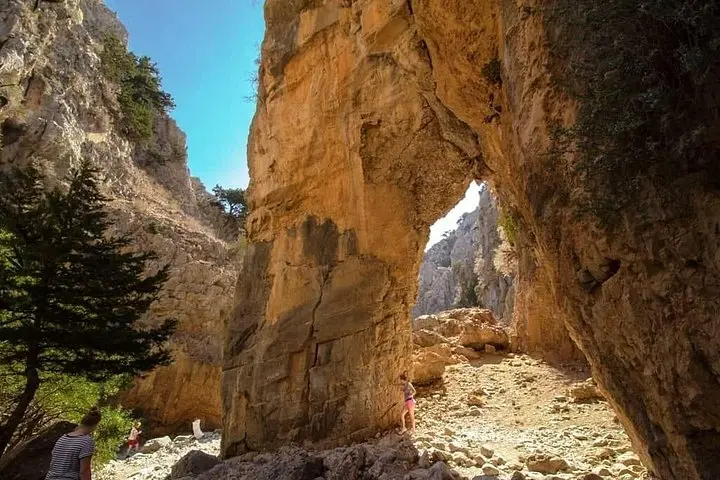
A narrow ribbon of shadow threads between limestone walls and the group compresses instinctively, shoulders brushing canyon stone as sunlight slices down from a slit of blue. The guide's voice is low but clear; he points to the striations on the rock that map millions of years of sea, pressure and uplift. For three hours the trail moves like a conversation with the island—easy steps, frequent pauses, a rosemary-scented air that seems to push the little clouds of dust along beside you.
Verified experiences and guided adventures in the surrounding area.
Operated by Elafonissos travel · Komitades / Imbros area, Crete
A narrow ribbon of shadow threads between limestone walls and the group compresses instinctively, shoulders brushing canyon stone as sunlight slices down from a slit of blue. The guide's voice is low but clear; he points to the striations on the rock that map millions of years of sea, pressure and uplift. For three hours the trail moves like a conversation with the island—easy steps, frequent pauses, a rosemary-scented air that seems to push the little clouds of dust along beside you.
Imbros Gorge is Crete's gentler alternative to Samaria: about 8 km of carved limestone with walls that reach roughly 300 m and a narrowest squeeze—Stenada—only 1.6 m wide. Geologically the gorge owes its shape to fluvial erosion and tectonic uplift; culturally it has been a shepherd's route and a corridor for mountain villages for centuries. The walk finishes near Komitades and Chora Sfakion, where the Libyan Sea invites a cooling swim and tavernas serve simple sfakian pies and grilled fish.
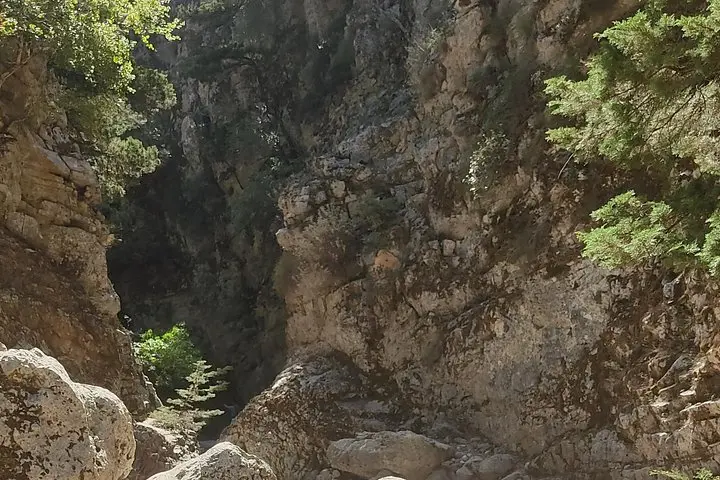
The route is deceptively straightforward. The surface is mostly packed dirt and stone, with some sections of loose scree. Elevation change is moderate and the pace is relaxed—guides time the passage to let parties regroup and enjoy the rock formations named Mesofarango and other narrow alcoves. Wildlife is discreet: lizards, circling raptors and the occasional coastal bird; plant life favors hardy shrubs and windswept pines.
Logistics matter here. Tours from Chania include round-trip transfer (about two hours each way), a mountain guide, and stops for breakfast and lunch; expect a full-day commitment—roughly 10 hours door-to-door when you include transit and beach time. The hike itself runs around three hours one-way through the gorge. The narrow sections are physically fine for most people but require steady footing and a calm pace.
Practical advice: wear grippy hiking shoes, bring at least 2 liters of water (more in summer), and a sun layer—the canyon offers shade but the approach roads and final beach are exposed. If you want to swim, pack a swimsuit and towel in a daypack or leave a small bag at the end village. The best months are spring through early autumn; winter can be wet and slippery and tours may be canceled in bad weather.
Imbros rewards patience: quiet rock amphitheaters, the sudden flash of a coastal view as the gorge opens, and a leisurely finish with coffee or a swim in turquoise water. It’s an accessible, tactile way to read Crete’s geology and rural life without committing to a technical climb—an all-day loop that folds natural history, a simple cultural stop, and a seaside cooldown into one clear, satisfying adventure.
The gorge trail itself is about 8 km and typically takes around 3 hours at an easy to moderate pace.
Most tours include round-trip transport from Chania; driving time is roughly two hours each way along mountain roads.
Yes—Imbros is considered easier than Samaria and is suitable for children and older hikers who can handle uneven footing and short narrow sections.
Yes. The tour typically stops at Chora Sfakion or nearby coves on the Libyan Sea where you can swim; bring a swimsuit and towel.
Wear sturdy shoes, layered clothing, a sun hat, and carry at least 2 liters of water, snacks, and a small first-aid kit.
Tours include a mountain guide; cancellation policies vary—this operator offers full refunds if canceled at least 24 hours before departure, but weather-related cancellations can occur.
Elafonissos travel operates guided outdoor trips and adventures with an emphasis on safety, stewardship, and memorable experiences.
A narrow ribbon of shadow threads between limestone walls and the group compresses instinctively, shoulders brushing canyon stone as sunlight slices down from a slit of blue. The guide's voice is low but clear; he points to the striations on the rock that map millions of years of sea, pressure and uplift. For three hours the trail moves like a conversation with the island—easy steps, frequent pauses, a rosemary-scented air that seems to push the little clouds of dust along beside you.
A narrow ribbon of shadow threads between limestone walls and the group compresses instinctively, shoulders brushing canyon stone as sunlight slices down from a slit of blue. The guide's voice is low but clear; he points to the striations on the rock that map millions of years of sea, pressure and uplift. For three hours the trail moves like a conversation with the island—easy steps, frequent pauses, a rosemary-scented air that seems to push the little clouds of dust along beside you.
Imbros Gorge is Crete's gentler alternative to Samaria: about 8 km of carved limestone with walls that reach roughly 300 m and a narrowest squeeze—Stenada—only 1.6 m wide. Geologically the gorge owes its shape to fluvial erosion and tectonic uplift; culturally it has been a shepherd's route and a corridor for mountain villages for centuries. The walk finishes near Komitades and Chora Sfakion, where the Libyan Sea invites a cooling swim and tavernas serve simple sfakian pies and grilled fish.
The route is deceptively straightforward. The surface is mostly packed dirt and stone, with some sections of loose scree. Elevation change is moderate and the pace is relaxed—guides time the passage to let parties regroup and enjoy the rock formations named Mesofarango and other narrow alcoves. Wildlife is discreet: lizards, circling raptors and the occasional coastal bird; plant life favors hardy shrubs and windswept pines.
Logistics matter here. Tours from Chania include round-trip transfer (about two hours each way), a mountain guide, and stops for breakfast and lunch; expect a full-day commitment—roughly 10 hours door-to-door when you include transit and beach time. The hike itself runs around three hours one-way through the gorge. The narrow sections are physically fine for most people but require steady footing and a calm pace.
Practical advice: wear grippy hiking shoes, bring at least 2 liters of water (more in summer), and a sun layer—the canyon offers shade but the approach roads and final beach are exposed. If you want to swim, pack a swimsuit and towel in a daypack or leave a small bag at the end village. The best months are spring through early autumn; winter can be wet and slippery and tours may be canceled in bad weather.
Imbros rewards patience: quiet rock amphitheaters, the sudden flash of a coastal view as the gorge opens, and a leisurely finish with coffee or a swim in turquoise water. It’s an accessible, tactile way to read Crete’s geology and rural life without committing to a technical climb—an all-day loop that folds natural history, a simple cultural stop, and a seaside cooldown into one clear, satisfying adventure.