THE ADVENTURE COLLECTIVE® · Independent discovery and booking for outdoor travel

Walk Imbros Gorge from Rethymno on an accessible, 8-km day hike that highlights limestone cliffs, endemic plants and a seaside finish. Ideal for travelers who want Crete’s mountain drama without Samaria’s commitment.
Walk Imbros Gorge from Rethymno on an accessible, 8-km day hike that highlights limestone cliffs, endemic plants and a seaside finish. Ideal for travelers who want Crete’s mountain drama without Samaria’s commitment.
You step off the coach into a pocket of cool air—the canyon seems to inhale and hold you. Limestone walls fold up on either side, sun striking bands of ochre and gray while a narrow ribbon of trail threads between scree and native shrubs. Ahead, the gorge narrows and the footfall of the group softens into the steady rhythm of walking: stones, roots, the occasional drip of groundwater daring you to go farther.
Verified experiences and guided adventures in the surrounding area.
Operated by TravelPath AllcreteTours · Imbros, Crete
You step off the coach into a pocket of cool air—the canyon seems to inhale and hold you. Limestone walls fold up on either side, sun striking bands of ochre and gray while a narrow ribbon of trail threads between scree and native shrubs. Ahead, the gorge narrows and the footfall of the group softens into the steady rhythm of walking: stones, roots, the occasional drip of groundwater daring you to go farther.
Imbros Gorge is Crete unpacked—an 8-kilometer cut through the Lefka Ori that runs almost parallel to the more famous Samaria Gorge but with gentler grades and a compact, wild intimacy. Geologically it’s a story of uplift and erosion: marine sediments thrust skyward and then carved by rain and flash flows into sharp cliffs and choked alcoves. Botanically, the canyon is a small ark for Cretan endemics—thyme-scented shrubs, dwarf oaks and low juniper that cling to cracks and scent the air.
Culturally the route threads through a rural history. Shepherds and seasonal farmers have used these passes for centuries; near the mouth of the gorge you’ll find small chapels and stone-built terraces, remnants of a life keyed to the island’s rhythms. Modern villages like Imbros and the nearby coastal towns—Frangokastello and Chora Sfakion—offer a counterpoint: seaside tavernas, sun, and the chance to unwind with a swim after the hike.
On the Imbros Gorge Tour from Rethymno the math is straightforward: allow roughly three hours for the walking section itself, with a full-day schedule (about 5–9 hours total) to accommodate transfers, guide commentary, and a post-hike stop for food or swimming. The trail alternates dusty flats, packed scree and occasional narrow slots; the grade is forgiving compared with Samaria, but footing can be uneven.
Practical edge: lace up supportive shoes with grippy soles, carry at least 1.5–2 liters of water, use layered sun protection, and expect minimal restroom facilities inside the gorge. Start early in summer to avoid peak sun; spring brings wildflowers and cooler air, while autumn keeps temperatures pleasant for the full route. Guides accompanying the tour handle logistics and local context—maps, historical notes, and safe pacing.
For travelers from Rethymno, the hike is an accessible way to touch Crete’s mountain interior without committing to a multi-day trek. The canyon rewards steady attention: sudden light through a slot, the hush where wind can’t reach, and the first glimpse of the sea as the trail opens toward the southern coast. It’s a day that pairs easy effort with vivid returns—rocks that feel old enough to speak, a path that invites you forward, and a coast waiting at the end to cool you down.
The walking portion is about 8 km and typically takes around 3 hours; the full guided tour from Rethymno runs 5–9 hours including transfers.
Yes—Imbros is easier than Samaria and generally suitable for fit families and older hikers, though stable footing is required.
No permit is required for Imbros; the tour includes a guide and transportation, which simplifies logistics and local interpretation.
Sturdy trail shoes or light hiking boots with good tread are recommended—avoid smooth-soled sneakers.
Facilities are minimal; bring water and use village facilities before entering the gorge if possible.
Yes—many tours stop at Frangokastello or Chora Sfakion for a swim and a meal after the gorge walk.
TravelPath AllcreteTours operates guided outdoor trips and adventures with an emphasis on safety, stewardship, and memorable experiences.
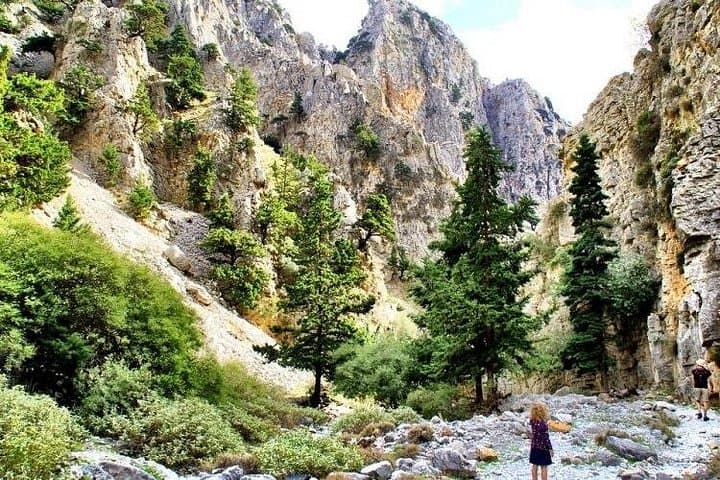

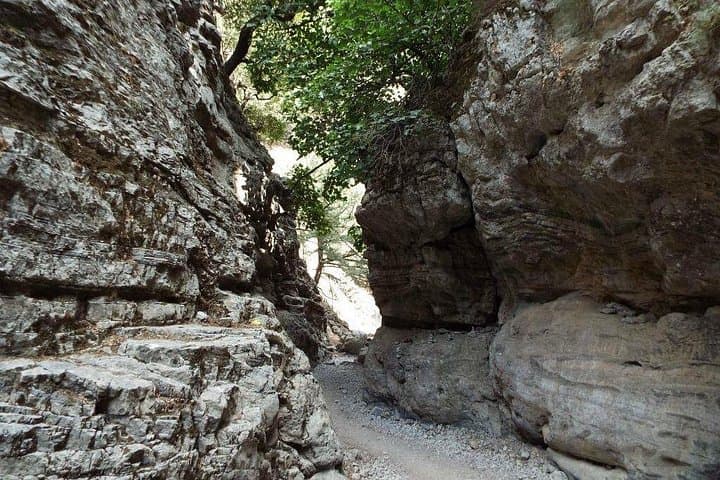
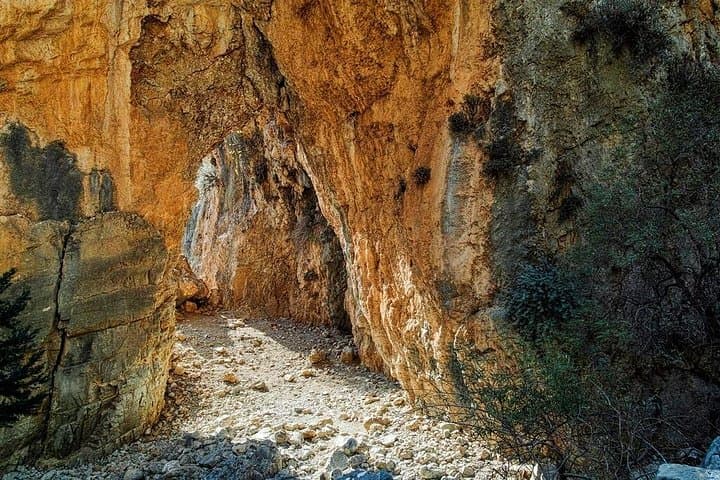
You step off the coach into a pocket of cool air—the canyon seems to inhale and hold you. Limestone walls fold up on either side, sun striking bands of ochre and gray while a narrow ribbon of trail threads between scree and native shrubs. Ahead, the gorge narrows and the footfall of the group softens into the steady rhythm of walking: stones, roots, the occasional drip of groundwater daring you to go farther.
You step off the coach into a pocket of cool air—the canyon seems to inhale and hold you. Limestone walls fold up on either side, sun striking bands of ochre and gray while a narrow ribbon of trail threads between scree and native shrubs. Ahead, the gorge narrows and the footfall of the group softens into the steady rhythm of walking: stones, roots, the occasional drip of groundwater daring you to go farther.
Imbros Gorge is Crete unpacked—an 8-kilometer cut through the Lefka Ori that runs almost parallel to the more famous Samaria Gorge but with gentler grades and a compact, wild intimacy. Geologically it’s a story of uplift and erosion: marine sediments thrust skyward and then carved by rain and flash flows into sharp cliffs and choked alcoves. Botanically, the canyon is a small ark for Cretan endemics—thyme-scented shrubs, dwarf oaks and low juniper that cling to cracks and scent the air.
Culturally the route threads through a rural history. Shepherds and seasonal farmers have used these passes for centuries; near the mouth of the gorge you’ll find small chapels and stone-built terraces, remnants of a life keyed to the island’s rhythms. Modern villages like Imbros and the nearby coastal towns—Frangokastello and Chora Sfakion—offer a counterpoint: seaside tavernas, sun, and the chance to unwind with a swim after the hike.
On the Imbros Gorge Tour from Rethymno the math is straightforward: allow roughly three hours for the walking section itself, with a full-day schedule (about 5–9 hours total) to accommodate transfers, guide commentary, and a post-hike stop for food or swimming. The trail alternates dusty flats, packed scree and occasional narrow slots; the grade is forgiving compared with Samaria, but footing can be uneven.
Practical edge: lace up supportive shoes with grippy soles, carry at least 1.5–2 liters of water, use layered sun protection, and expect minimal restroom facilities inside the gorge. Start early in summer to avoid peak sun; spring brings wildflowers and cooler air, while autumn keeps temperatures pleasant for the full route. Guides accompanying the tour handle logistics and local context—maps, historical notes, and safe pacing.
For travelers from Rethymno, the hike is an accessible way to touch Crete’s mountain interior without committing to a multi-day trek. The canyon rewards steady attention: sudden light through a slot, the hush where wind can’t reach, and the first glimpse of the sea as the trail opens toward the southern coast. It’s a day that pairs easy effort with vivid returns—rocks that feel old enough to speak, a path that invites you forward, and a coast waiting at the end to cool you down.