THE ADVENTURE COLLECTIVE® · Independent discovery and booking for outdoor travel

A three‑hour, 9 km descent through limestone walls that narrow to less than two meters and rise up to 300 m. This full‑day guided trip from Chania pairs an easy, historic gorge trail with a seaside cooldown in Komitades and Chora Sfakion.
A three‑hour, 9 km descent through limestone walls that narrow to less than two meters and rise up to 300 m. This full‑day guided trip from Chania pairs an easy, historic gorge trail with a seaside cooldown in Komitades and Chora Sfakion.
You step off the air‑conditioned minibus into a slice of Cretan quiet: a spill of sun on limestone, the tang of olive oil and the low, wind‑ruffled notes of scrub. A steaming coffee appears in your hand and, beyond it, the throat of Imbros Gorge yawns open—pale stone walls that will soon close in like an amphitheater around your footsteps.
Verified experiences and guided adventures in the surrounding area.
Operated by Chania :Beyond Travel Agency · Chania, Crete
You step off the air‑conditioned minibus into a slice of Cretan quiet: a spill of sun on limestone, the tang of olive oil and the low, wind‑ruffled notes of scrub. A steaming coffee appears in your hand and, beyond it, the throat of Imbros Gorge yawns open—pale stone walls that will soon close in like an amphitheater around your footsteps.
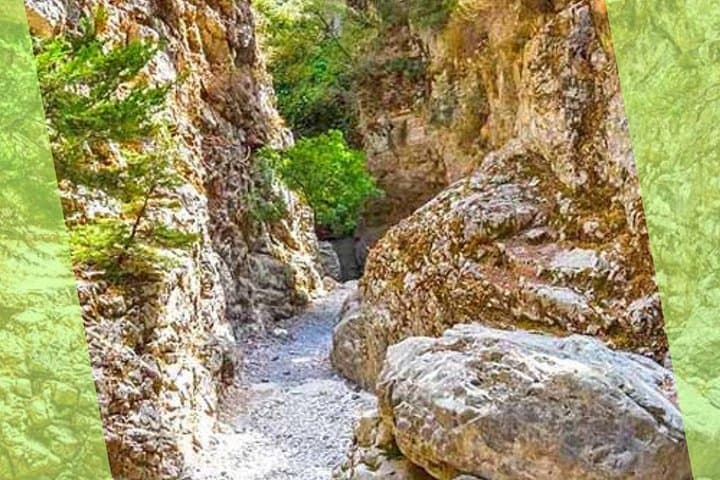
Imbros is less austere than its better‑known neighbor Samaria, but no less dramatic. The trail follows a route used for centuries as the main passage between Sfakia and Chania; underfoot you’ll find hints of the old stone‑paved way that shepherds and villagers once used to cross this range. Geologically, the gorge slices through uplifted sedimentary limestone—so expect slick, compacted scree in places, sharp ribs of raised strata, and pockets where the rock has eroded into narrow corridors.
Culturally, this is Crete at ground level: terraced olive groves clinging to slopes, farmhouses where tarragon and thyme perfumed the air, and villages like Komitades at the exit where the sea waits—clear, blue and insistently inviting. In the hamlet of Chora Sfakion, the ruins of a Venetian fortress still keep watch over the bay, and local tavernas keep simple Cretan dishes simmering for hungry hikers.
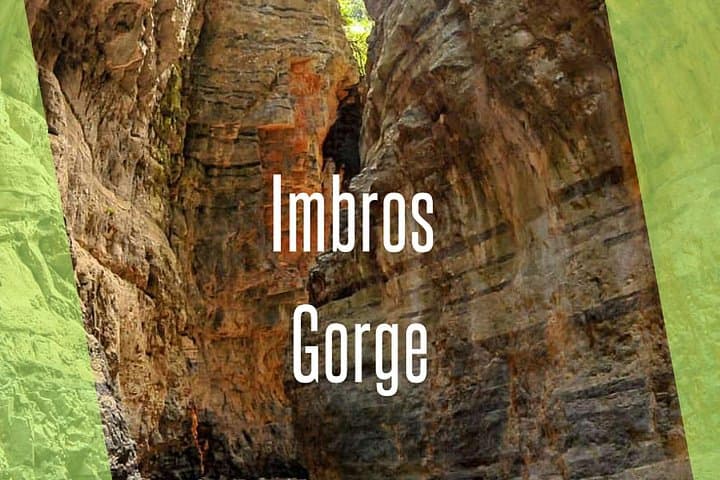
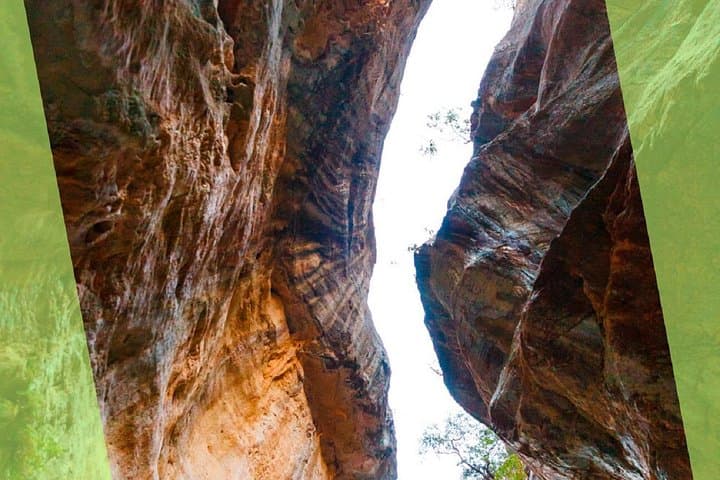
The hike itself is straightforward: the gorge is about 9 km and takes roughly three hours to traverse on a steady, unhurried pace. The trail drops gradually toward the Libyan Sea; there are narrow sections where the walls squeeze to less than two meters and rise nearly 300 meters above you—moments when the canyon feels alive, pressing close and guiding your passage.
Practical edge: guides lead the group and handle logistics, and the tour includes air‑conditioned transport to and from pick‑up points in the Chania area. Bring a minimum of two liters of water, breathable hiking shoes with good grip, sun protection, and a light layer; the gorge can be surprisingly cool in its shaded narrows even on hot days.
Timing matters—start midmorning for softer light in the canyon and a relaxed descent, then plan to cool off at Komitades’ beach or sample grilled fish and dakos in Chora Sfakion afterward. The route is family‑friendly but not stroller‑friendly; children should be comfortable walking several kilometers over uneven ground.
Conservation is simple: stick to the trail, carry out any trash, and avoid climbing fragile rock faces. The gorge still bears the traces of traditional Cretan life; by walking it you join a long line of travelers who have used this landscape to move, trade and connect. Imbros isn’t just scenery—it's a working, breathing piece of island history that challenges you calmly, then rewards you with sea and stories at the end of the day.
The gorge walk is about 9 km and typically takes around three hours at a relaxed pace.
Yes—Imbros is considered easier than Samaria and is family‑friendly, though children should be capable of walking uneven terrain for several kilometers.
Yes—air‑conditioned transport to the gorge and back to Chora Sfakion/Chania is included; confirm your specific pickup point after booking.
Absolutely—Komitades and Chora Sfakion offer clear swimming options at the end of the trek; bring a swimsuit and towel if you plan to take a dip.
Breathable layers, grippy hiking shoes, sun protection and a light jacket for coastal winds are recommended.
There are limited facilities at trailheads and at Komitades/Chora Sfakion—plan accordingly before you start the descent.
Chania :Beyond Travel Agency operates guided outdoor trips and adventures with an emphasis on safety, stewardship, and memorable experiences.
You step off the air‑conditioned minibus into a slice of Cretan quiet: a spill of sun on limestone, the tang of olive oil and the low, wind‑ruffled notes of scrub. A steaming coffee appears in your hand and, beyond it, the throat of Imbros Gorge yawns open—pale stone walls that will soon close in like an amphitheater around your footsteps.
You step off the air‑conditioned minibus into a slice of Cretan quiet: a spill of sun on limestone, the tang of olive oil and the low, wind‑ruffled notes of scrub. A steaming coffee appears in your hand and, beyond it, the throat of Imbros Gorge yawns open—pale stone walls that will soon close in like an amphitheater around your footsteps.
Imbros is less austere than its better‑known neighbor Samaria, but no less dramatic. The trail follows a route used for centuries as the main passage between Sfakia and Chania; underfoot you’ll find hints of the old stone‑paved way that shepherds and villagers once used to cross this range. Geologically, the gorge slices through uplifted sedimentary limestone—so expect slick, compacted scree in places, sharp ribs of raised strata, and pockets where the rock has eroded into narrow corridors.
Culturally, this is Crete at ground level: terraced olive groves clinging to slopes, farmhouses where tarragon and thyme perfumed the air, and villages like Komitades at the exit where the sea waits—clear, blue and insistently inviting. In the hamlet of Chora Sfakion, the ruins of a Venetian fortress still keep watch over the bay, and local tavernas keep simple Cretan dishes simmering for hungry hikers.
The hike itself is straightforward: the gorge is about 9 km and takes roughly three hours to traverse on a steady, unhurried pace. The trail drops gradually toward the Libyan Sea; there are narrow sections where the walls squeeze to less than two meters and rise nearly 300 meters above you—moments when the canyon feels alive, pressing close and guiding your passage.
Practical edge: guides lead the group and handle logistics, and the tour includes air‑conditioned transport to and from pick‑up points in the Chania area. Bring a minimum of two liters of water, breathable hiking shoes with good grip, sun protection, and a light layer; the gorge can be surprisingly cool in its shaded narrows even on hot days.
Timing matters—start midmorning for softer light in the canyon and a relaxed descent, then plan to cool off at Komitades’ beach or sample grilled fish and dakos in Chora Sfakion afterward. The route is family‑friendly but not stroller‑friendly; children should be comfortable walking several kilometers over uneven ground.
Conservation is simple: stick to the trail, carry out any trash, and avoid climbing fragile rock faces. The gorge still bears the traces of traditional Cretan life; by walking it you join a long line of travelers who have used this landscape to move, trade and connect. Imbros isn’t just scenery—it's a working, breathing piece of island history that challenges you calmly, then rewards you with sea and stories at the end of the day.