THE ADVENTURE COLLECTIVE® · Independent discovery and booking for outdoor travel

A private guided day that drops 7 km through limestone canyons to a southern Cretan beach—history, geology, and a seaside taverna meal wrapped into one accessible full-day adventure.
A private guided day that drops 7 km through limestone canyons to a southern Cretan beach—history, geology, and a seaside taverna meal wrapped into one accessible full-day adventure.
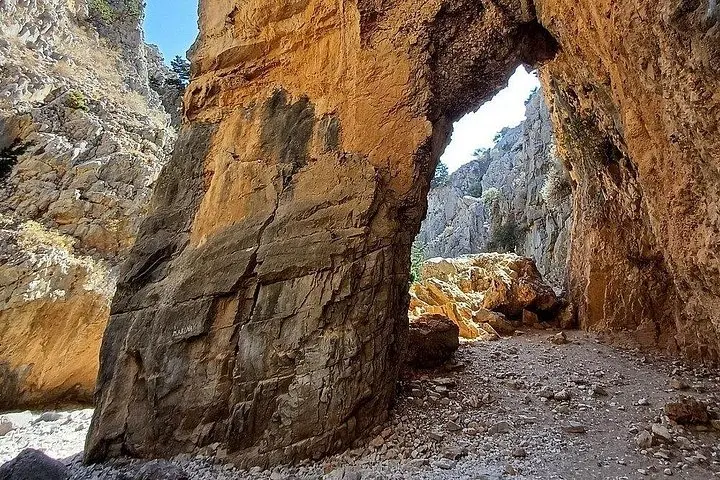
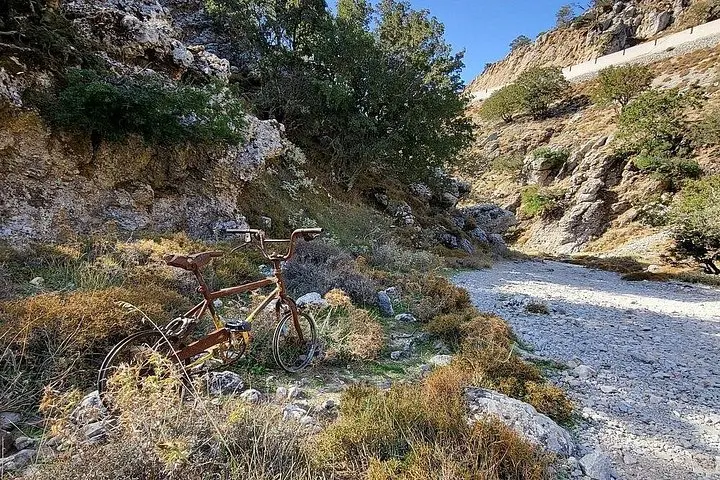
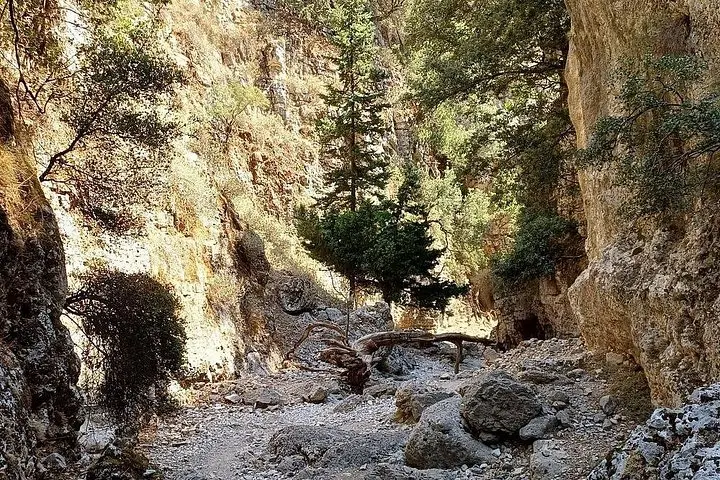
Morning light peels across limestone walls as the minivan turns off the coastal road and the air cools; the gorge looms, a defiant cut through Crete’s southern mountains. On a private guided hike through Imbros Gorge, the first steps feel immediate—rock underfoot, a narrow canyon closing in, the guide’s voice low with local stories and directions. The trail drops steadily for about 7 km, carving through chimneys of stone and terraces of hardy shrubs until the sea finally opens ahead and a secluded beach offers salt and quiet.
Verified experiences and guided adventures in the surrounding area.
Operated by Chania Cooking Class · Imbros / Chania area, Crete
Morning light peels across limestone walls as the minivan turns off the coastal road and the air cools; the gorge looms, a defiant cut through Crete’s southern mountains. On a private guided hike through Imbros Gorge, the first steps feel immediate—rock underfoot, a narrow canyon closing in, the guide’s voice low with local stories and directions. The trail drops steadily for about 7 km, carving through chimneys of stone and terraces of hardy shrubs until the sea finally opens ahead and a secluded beach offers salt and quiet.
Imbros has a layered past: a natural corridor worn by water and time, later pressed into human history as an escape route during WWII. Geologically, the gorge is a product of fractured limestone—jagged ledges, fallen scree, and shelves of folded rock that tell of ancient seabeds uplifted by tectonic impatience. Culturally, the walk threads through the working landscape of Crete: shepherd tracks, dry-stone walls, and villages where taverna kitchens still cook slow, olive-oil–rich food.
The experience is tailored: a private guide leads, offers context about plant uses and wartime stories, and paces the group according to ability. Expect three hours on the trail for the downhill section—rough terrain with loose rock in places—followed by a drive to the south coast for a restorative swim and a meal at a local taverna where Cretan cheeses, dakos, and grilled fish close the day.
Practicalities matter here. The full program runs about nine hours including pickup from Chania, Platanias, and Kalyves, transport in an air-conditioned vehicle, bottled water, snacks and a traditional bite, and the comfort of private logistics so families and mixed-ability groups can move at their own rhythm.
For timing, start early in summer to avoid the heat; spring and autumn offer cooler, greener conditions and fewer crowds. Footing is the dominant challenge—sturdy shoes and poles make a tangible difference when negotiating shale and steps. Bring swimwear and cash for tavernas; the guide can recommend regional wines and explain how the local feta and raki fit into Cretan life.
Conservation is subtle but real—stay on marked paths to protect fragile plants and loose rock, and pack out any trash; the gorge is a working landscape and a habitat. In return, the route gives a concentrated taste of Crete: a hike that moves through time, geology, and coastal reward, all under the guidance of someone who knows both the stones and the stories.
The guided downhill hike covers about 7 km and typically takes around 3 hours depending on pace and stops.
Moderate—uneven, rocky footing and some steep sections make it unsuitable for those with limited mobility; good footwear is essential.
Yes; the private format allows pacing for families with older children, but very young children or those who cannot handle rocky descents may struggle.
Bottled water and a snack are provided, but bringing extra water and personal snacks is recommended, especially in summer.
After the gorge you’ll be taken to a south-coast beach for a swim and relaxation before heading to a local taverna for a meal.
Yes—pickup from Chania, Platanias, and Kalyves areas is included; remote hotels may incur an extra fee communicated at booking.
Chania Cooking Class operates guided outdoor trips and adventures with an emphasis on safety, stewardship, and memorable experiences.
Morning light peels across limestone walls as the minivan turns off the coastal road and the air cools; the gorge looms, a defiant cut through Crete’s southern mountains. On a private guided hike through Imbros Gorge, the first steps feel immediate—rock underfoot, a narrow canyon closing in, the guide’s voice low with local stories and directions. The trail drops steadily for about 7 km, carving through chimneys of stone and terraces of hardy shrubs until the sea finally opens ahead and a secluded beach offers salt and quiet.
Morning light peels across limestone walls as the minivan turns off the coastal road and the air cools; the gorge looms, a defiant cut through Crete’s southern mountains. On a private guided hike through Imbros Gorge, the first steps feel immediate—rock underfoot, a narrow canyon closing in, the guide’s voice low with local stories and directions. The trail drops steadily for about 7 km, carving through chimneys of stone and terraces of hardy shrubs until the sea finally opens ahead and a secluded beach offers salt and quiet.
Imbros has a layered past: a natural corridor worn by water and time, later pressed into human history as an escape route during WWII. Geologically, the gorge is a product of fractured limestone—jagged ledges, fallen scree, and shelves of folded rock that tell of ancient seabeds uplifted by tectonic impatience. Culturally, the walk threads through the working landscape of Crete: shepherd tracks, dry-stone walls, and villages where taverna kitchens still cook slow, olive-oil–rich food.
The experience is tailored: a private guide leads, offers context about plant uses and wartime stories, and paces the group according to ability. Expect three hours on the trail for the downhill section—rough terrain with loose rock in places—followed by a drive to the south coast for a restorative swim and a meal at a local taverna where Cretan cheeses, dakos, and grilled fish close the day.
Practicalities matter here. The full program runs about nine hours including pickup from Chania, Platanias, and Kalyves, transport in an air-conditioned vehicle, bottled water, snacks and a traditional bite, and the comfort of private logistics so families and mixed-ability groups can move at their own rhythm.
For timing, start early in summer to avoid the heat; spring and autumn offer cooler, greener conditions and fewer crowds. Footing is the dominant challenge—sturdy shoes and poles make a tangible difference when negotiating shale and steps. Bring swimwear and cash for tavernas; the guide can recommend regional wines and explain how the local feta and raki fit into Cretan life.
Conservation is subtle but real—stay on marked paths to protect fragile plants and loose rock, and pack out any trash; the gorge is a working landscape and a habitat. In return, the route gives a concentrated taste of Crete: a hike that moves through time, geology, and coastal reward, all under the guidance of someone who knows both the stones and the stories.