THE ADVENTURE COLLECTIVE® · Independent discovery and booking for outdoor travel

Travel from Ouarzazate through Dades and Toudra Gorges to the twin lakes of Imilchil on a three‑day camping trip that mixes hikes, nomad homestays and high‑altitude scenery. Expect canyon walks, off‑road drives and lakeside campfires beneath clear mountain skies.
Travel from Ouarzazate through Dades and Toudra Gorges to the twin lakes of Imilchil on a three‑day camping trip that mixes hikes, nomad homestays and high‑altitude scenery. Expect canyon walks, off‑road drives and lakeside campfires beneath clear mountain skies.
A low sun cuts the Atlas ridgelines into hard silver as an air‑conditioned 4x4 threads the road out of Ouarzazate. Dust rises, palms thin to scrub and then to rock; by evening the silhouettes of the Dades Gorge narrow and the campfire at a nomad encampment throws faces into warm relief. The next two days carry travelers over off‑road cols, through rose gardens of Skoura and into the twin lakes of Imilchil where Tislit and Isly lie calm beneath an expansive sky.
Verified experiences and guided adventures in the surrounding area.
Operated by Morocco Exposure · Imilchil, Drâa-Tafilalet
A low sun cuts the Atlas ridgelines into hard silver as an air‑conditioned 4x4 threads the road out of Ouarzazate. Dust rises, palms thin to scrub and then to rock; by evening the silhouettes of the Dades Gorge narrow and the campfire at a nomad encampment throws faces into warm relief. The next two days carry travelers over off‑road cols, through rose gardens of Skoura and into the twin lakes of Imilchil where Tislit and Isly lie calm beneath an expansive sky.
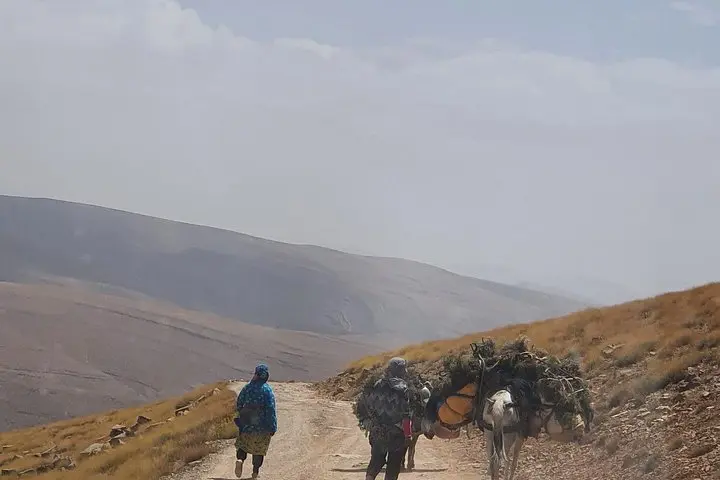
Geology here is honest and exposed: folded shale, vertical limestone walls and river‑cut canyons that reveal millions of years of uplift and erosion. Culturally the route traces Amazigh (Berber) lives—kasbahs, cooperative rose presses, and tented households where hospitality is practiced as duty. The lakes themselves are linked to a local love legend and are part of a high‑altitude plateau that freezes in winter and attracts seasonal grazing flocks.
Practical guidance: expect three days of light to moderate hiking, long vehicle transfers and one or two nights under canvas with basic glamping comforts. Water is available at camps and villages but carry 2–3 liters for hikes; sun and wind at altitude are stronger than the thermometer suggests. Footwear with ankle support, layered clothing and a small daypack make moving between walking, vehicle and camp simple. Plan arrival in Ouarzazate the day before, confirm dietary needs with guides, and bring a camera with spare batteries—the landscape changes fast and rewards early starts.
Hikes are generally short to moderate (1–3 hours) on uneven but well‑trodden trails; basic mobility and stamina are sufficient.
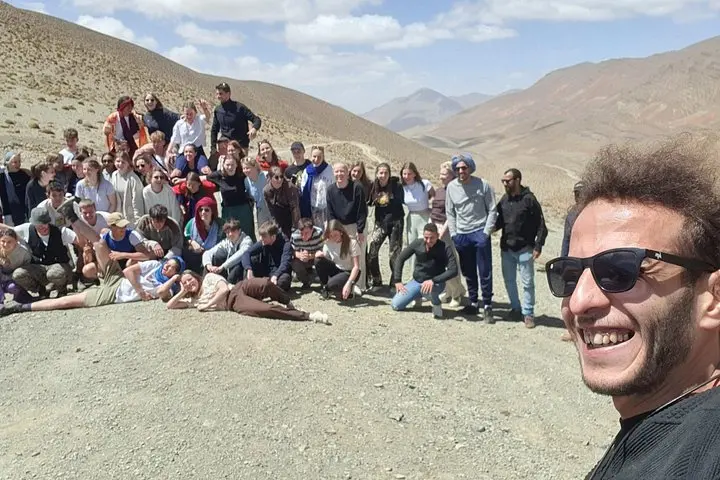
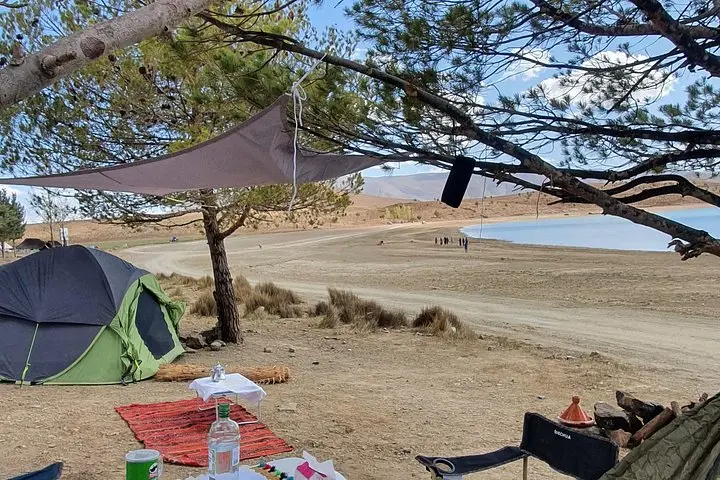
Two nights are spent camping—one with a nomad family and one at lakeside glamping tents; expect simple beds, shared facilities and camp meals.
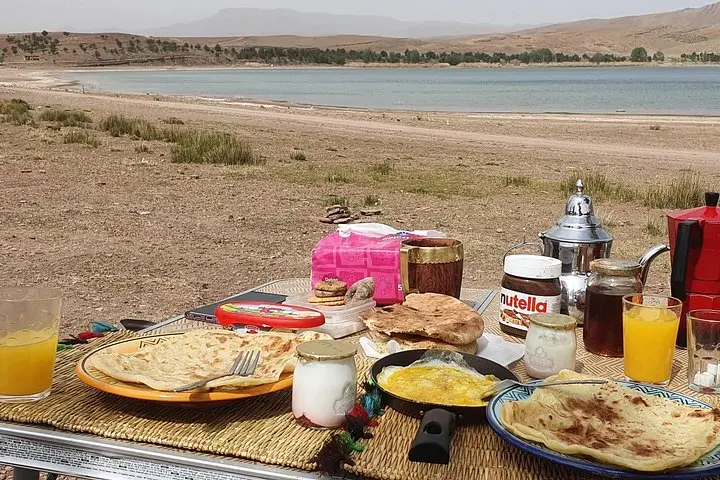
Meals specified are included, and camps provide drinking water; bring a day supply (2–3 L) for hikes and personal snacks.
Guides speak English, Spanish and French; hosts are welcoming and the guide will help navigate cultural customs and basic translation.
Morocco Exposure operates guided outdoor trips and adventures with an emphasis on safety, stewardship, and memorable experiences.
A low sun cuts the Atlas ridgelines into hard silver as an air‑conditioned 4x4 threads the road out of Ouarzazate. Dust rises, palms thin to scrub and then to rock; by evening the silhouettes of the Dades Gorge narrow and the campfire at a nomad encampment throws faces into warm relief. The next two days carry travelers over off‑road cols, through rose gardens of Skoura and into the twin lakes of Imilchil where Tislit and Isly lie calm beneath an expansive sky.
A low sun cuts the Atlas ridgelines into hard silver as an air‑conditioned 4x4 threads the road out of Ouarzazate. Dust rises, palms thin to scrub and then to rock; by evening the silhouettes of the Dades Gorge narrow and the campfire at a nomad encampment throws faces into warm relief. The next two days carry travelers over off‑road cols, through rose gardens of Skoura and into the twin lakes of Imilchil where Tislit and Isly lie calm beneath an expansive sky.
Geology here is honest and exposed: folded shale, vertical limestone walls and river‑cut canyons that reveal millions of years of uplift and erosion. Culturally the route traces Amazigh (Berber) lives—kasbahs, cooperative rose presses, and tented households where hospitality is practiced as duty. The lakes themselves are linked to a local love legend and are part of a high‑altitude plateau that freezes in winter and attracts seasonal grazing flocks.
Practical guidance: expect three days of light to moderate hiking, long vehicle transfers and one or two nights under canvas with basic glamping comforts. Water is available at camps and villages but carry 2–3 liters for hikes; sun and wind at altitude are stronger than the thermometer suggests. Footwear with ankle support, layered clothing and a small daypack make moving between walking, vehicle and camp simple. Plan arrival in Ouarzazate the day before, confirm dietary needs with guides, and bring a camera with spare batteries—the landscape changes fast and rewards early starts.