THE ADVENTURE COLLECTIVE® · Independent discovery and booking for outdoor travel

A convenient day escape from Marrakech into the High Atlas, this guided Imlil hike delivers mountain scenery, a waterfall, and authentic Berber village visits in a single, well‑paced day. Ideal for nature lovers seeking cultural insight without technical climbing.
A convenient day escape from Marrakech into the High Atlas, this guided Imlil hike delivers mountain scenery, a waterfall, and authentic Berber village visits in a single, well‑paced day. Ideal for nature lovers seeking cultural insight without technical climbing.
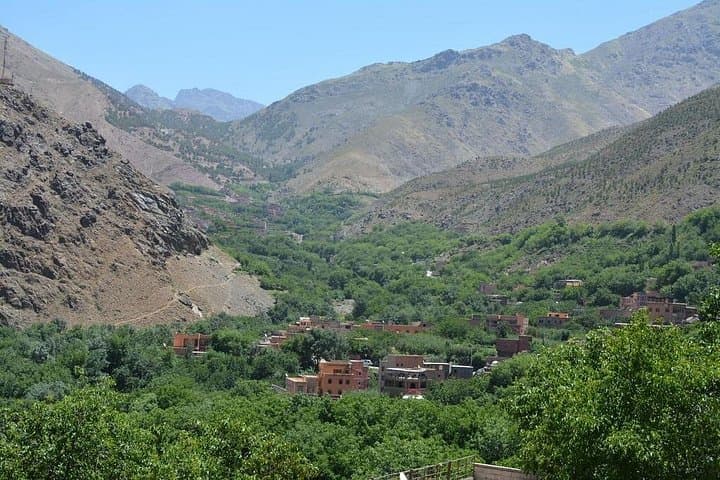
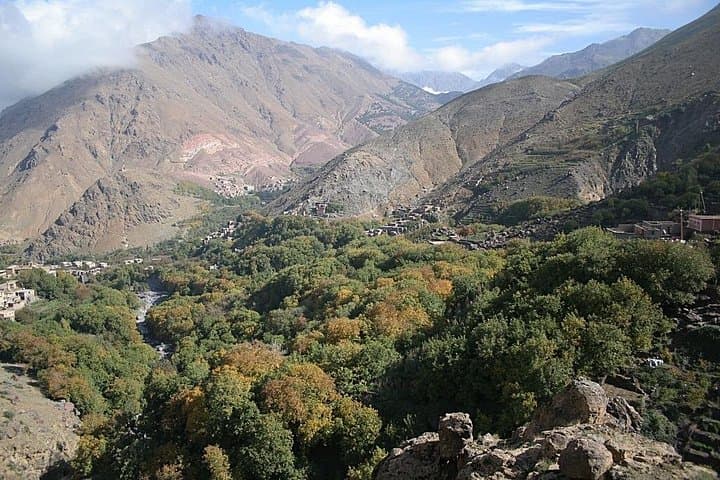
You step out of the van and the air changes—cooler, sharper, carrying dust and pine. The High Atlas rises ahead like a living wall, terraces and stone houses clinging to steep faces while a local guide gestures toward a narrow trail that threads the valley.
Verified experiences and guided adventures in the surrounding area.
Operated by Brahim Bouarrouzn · Imlil, Marrakesh-Safi
You step out of the van and the air changes—cooler, sharper, carrying dust and pine. The High Atlas rises ahead like a living wall, terraces and stone houses clinging to steep faces while a local guide gestures toward a narrow trail that threads the valley.
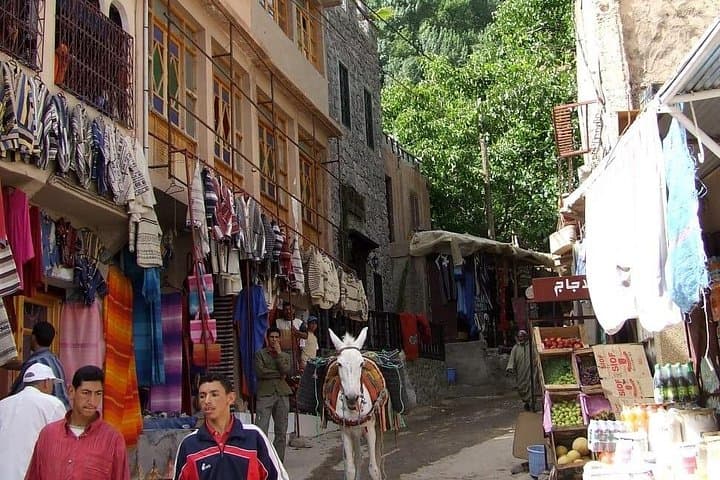
This one-day route moves between cultivated terraces, mule tracks and clear streams, following paths used for generations by Amazigh (Berber) communities. Geologically the Atlas is young and rugged: folded schist and granite give way to scree slopes high above, with Mount Toubkal—North Africa’s highest peak—dominating the skyline. Villages such as Imlil and Aroumd preserve traditional earthen architecture and a coffee-and-mint ritual that marks hospitality here.
Along the walk you’ll cross small footbridges, pass vegetable gardens irrigated by ancient channels, and arrive at a woodland-shaded waterfall where the water dares you to pause. The guide provides cultural context—how seasonal migration, terraced farming and local craft sustain valley life—while pointing out subtle traces of colonial-era maps and modern trekking culture.
Practicalities: expect 6–7 hours door-to-door from Marrakech with a moderate hike of several kilometers on uneven, sometimes steep trails; the route is suitable for fit beginners. Wear sturdy footwear, bring layered clothing, sun protection and at least 1–2 liters of water; plan for variable mountain weather and modest interactions with village families. A relaxed pace and a respectful curiosity will make this day both rewarding and manageable—an accessible window into Atlas life and landscape without technical climbing or overnight logistics.
The transfer typically takes about 60–90 minutes each way depending on traffic and your pickup location in Marrakech.
Yes—this itinerary is designed for beginners with moderate fitness; trails are well‑trodden but include some uphill sections.
A traditional Berber lunch and coffee/tea are included as part of the day trip’s offerings.
Wear quick‑dry layers, a windproof outer layer, and sturdy shoes; mornings and late afternoons can be significantly cooler than Marrakech.
Brahim Bouarrouzn operates guided outdoor trips and adventures with an emphasis on safety, stewardship, and memorable experiences.

You step out of the van and the air changes—cooler, sharper, carrying dust and pine. The High Atlas rises ahead like a living wall, terraces and stone houses clinging to steep faces while a local guide gestures toward a narrow trail that threads the valley.
You step out of the van and the air changes—cooler, sharper, carrying dust and pine. The High Atlas rises ahead like a living wall, terraces and stone houses clinging to steep faces while a local guide gestures toward a narrow trail that threads the valley.
This one-day route moves between cultivated terraces, mule tracks and clear streams, following paths used for generations by Amazigh (Berber) communities. Geologically the Atlas is young and rugged: folded schist and granite give way to scree slopes high above, with Mount Toubkal—North Africa’s highest peak—dominating the skyline. Villages such as Imlil and Aroumd preserve traditional earthen architecture and a coffee-and-mint ritual that marks hospitality here.
Along the walk you’ll cross small footbridges, pass vegetable gardens irrigated by ancient channels, and arrive at a woodland-shaded waterfall where the water dares you to pause. The guide provides cultural context—how seasonal migration, terraced farming and local craft sustain valley life—while pointing out subtle traces of colonial-era maps and modern trekking culture.
Practicalities: expect 6–7 hours door-to-door from Marrakech with a moderate hike of several kilometers on uneven, sometimes steep trails; the route is suitable for fit beginners. Wear sturdy footwear, bring layered clothing, sun protection and at least 1–2 liters of water; plan for variable mountain weather and modest interactions with village families. A relaxed pace and a respectful curiosity will make this day both rewarding and manageable—an accessible window into Atlas life and landscape without technical climbing or overnight logistics.