THE ADVENTURE COLLECTIVE® · Independent discovery and booking for outdoor travel

Spend a full day leaving Marrakech for Imlil: a camel ride through foothills, a home-style Berber lunch, and a guided trek beneath Mount Toubkal. This one-day excursion blends culture, geology, and approachable mountain hiking.
Spend a full day leaving Marrakech for Imlil: a camel ride through foothills, a home-style Berber lunch, and a guided trek beneath Mount Toubkal. This one-day excursion blends culture, geology, and approachable mountain hiking.
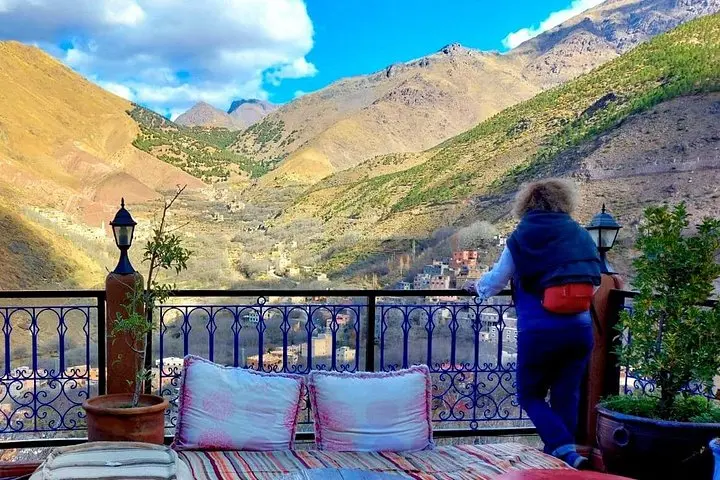
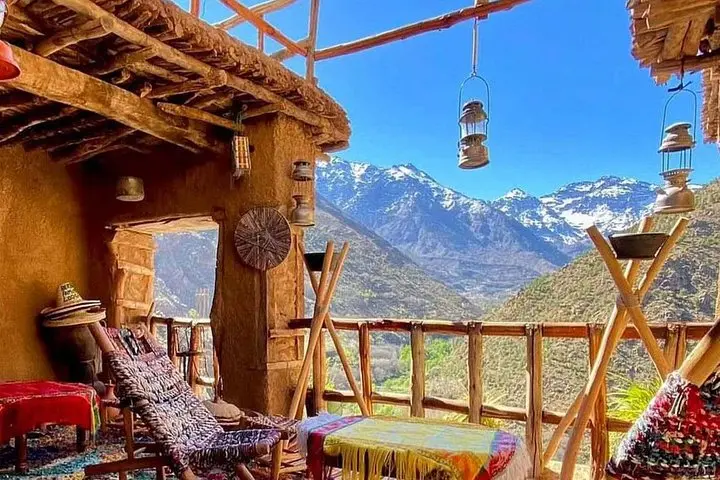
A dust-sweet breeze lifts from the valley as the minibus drops you at the edge of Imlil. Stone houses lean into steep fields, and a line of dromedaries waits like patient storytellers. The Atlas Mountains press close—rock faces folded by tectonic strain, streams carving terraces where villagers grow barley and apples.
Verified experiences and guided adventures in the surrounding area.
Operated by Tourist and Staff Transports · Imlil, Marrakech-Safi
A dust-sweet breeze lifts from the valley as the minibus drops you at the edge of Imlil. Stone houses lean into steep fields, and a line of dromedaries waits like patient storytellers. The Atlas Mountains press close—rock faces folded by tectonic strain, streams carving terraces where villagers grow barley and apples.
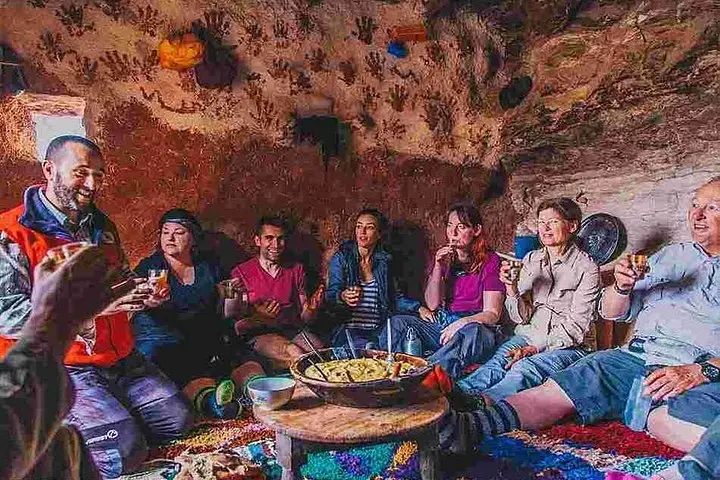
The area around Imlil sits on the southern slopes of the High Atlas, a landscape shaped by uplift and erosion; Mount Toubkal, North Africa’s highest summit, dominates the skyline and has guided trade and seasonal migration for centuries. The local population is primarily Amazigh (Berber), and village life still follows rhythms of shepherding, terrace agriculture, and communal hospitality—lunch with a family can be as much a cultural lesson as a meal.
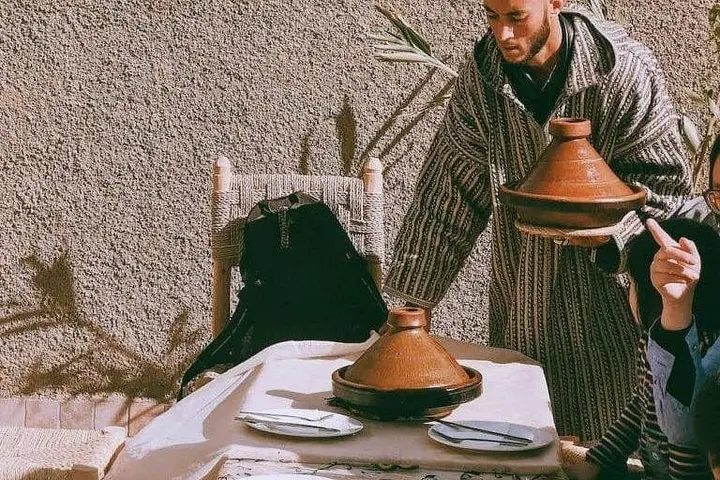
Your day combines three distinct rhythms: a camel ride across semi-arid foothills that tests balance as much as patience; a village lunch that showcases tagine and mint tea; and a guided trek through terraced fields and mule tracks that reveal the geology—conglomerates, schists, and seasonal streams—of the High Atlas.
Practical notes: expect 9–10 hours away from Marrakech with moderate walking on uneven, sometimes steep trails. Wear sturdy footwear; bring water, sun protection, and layers for changing temperatures. Guides coordinate logistics and can arrange a mule for steeper sections. Start early to avoid mid-afternoon heat and to catch the clearest mountain views. The trip rewards curiosity: ask about irrigation channels (seguias), local herding practices, and the route up toward Toubkal for a sense of scale and place.
Expect about 9–10 hours total, including travel time (roughly 1–1.5 hours each way) and several hours for lunch and trekking.
Short camel rides are generally suitable for kids and older travelers, but those with back or mobility issues should avoid prolonged riding or request a mule/alternative.
Lunch and a local guide are included; options may allow dining in a restaurant or sharing a meal with a Berber family in Imlil.
Yes—guides commonly arrange mules for steeper sections or for travelers needing assistance; notify at booking or request during the trip.
Tourist and Staff Transports operates guided outdoor trips and adventures with an emphasis on safety, stewardship, and memorable experiences.
A dust-sweet breeze lifts from the valley as the minibus drops you at the edge of Imlil. Stone houses lean into steep fields, and a line of dromedaries waits like patient storytellers. The Atlas Mountains press close—rock faces folded by tectonic strain, streams carving terraces where villagers grow barley and apples.
A dust-sweet breeze lifts from the valley as the minibus drops you at the edge of Imlil. Stone houses lean into steep fields, and a line of dromedaries waits like patient storytellers. The Atlas Mountains press close—rock faces folded by tectonic strain, streams carving terraces where villagers grow barley and apples.
The area around Imlil sits on the southern slopes of the High Atlas, a landscape shaped by uplift and erosion; Mount Toubkal, North Africa’s highest summit, dominates the skyline and has guided trade and seasonal migration for centuries. The local population is primarily Amazigh (Berber), and village life still follows rhythms of shepherding, terrace agriculture, and communal hospitality—lunch with a family can be as much a cultural lesson as a meal.
Your day combines three distinct rhythms: a camel ride across semi-arid foothills that tests balance as much as patience; a village lunch that showcases tagine and mint tea; and a guided trek through terraced fields and mule tracks that reveal the geology—conglomerates, schists, and seasonal streams—of the High Atlas.
Practical notes: expect 9–10 hours away from Marrakech with moderate walking on uneven, sometimes steep trails. Wear sturdy footwear; bring water, sun protection, and layers for changing temperatures. Guides coordinate logistics and can arrange a mule for steeper sections. Start early to avoid mid-afternoon heat and to catch the clearest mountain views. The trip rewards curiosity: ask about irrigation channels (seguias), local herding practices, and the route up toward Toubkal for a sense of scale and place.