THE ADVENTURE COLLECTIVE® · Independent discovery and booking for outdoor travel

A full-day hike from Imlil to the village of Aremd with a homely Berber lunch—perfect for walkers who want mountain views, village life, and a solid dose of High Atlas culture. Expect 7–8 hours of mixed dirt trails and terraced fields.
A full-day hike from Imlil to the village of Aremd with a homely Berber lunch—perfect for walkers who want mountain views, village life, and a solid dose of High Atlas culture. Expect 7–8 hours of mixed dirt trails and terraced fields.
You arrive in Imlil with dusted sunlight on citrus trees and the High Atlas rising like a raw wall above the village.
Verified experiences and guided adventures in the surrounding area.
Operated by Morocco Mountain Outdoors · Imlil, Marrakesh-Safi
You arrive in Imlil with dusted sunlight on citrus trees and the High Atlas rising like a raw wall above the village.
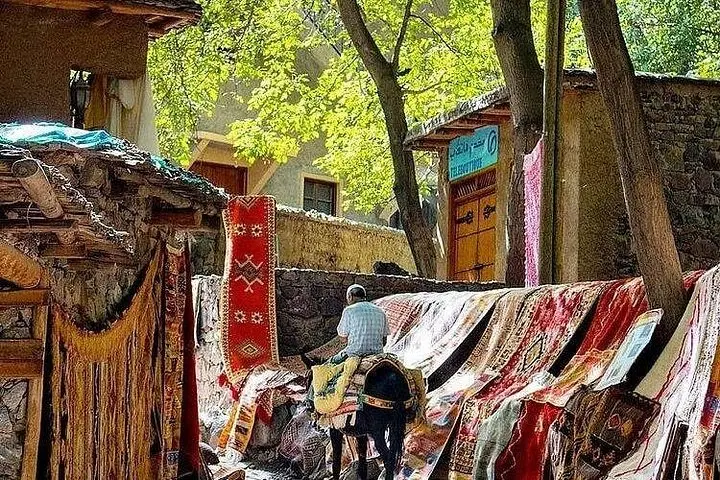
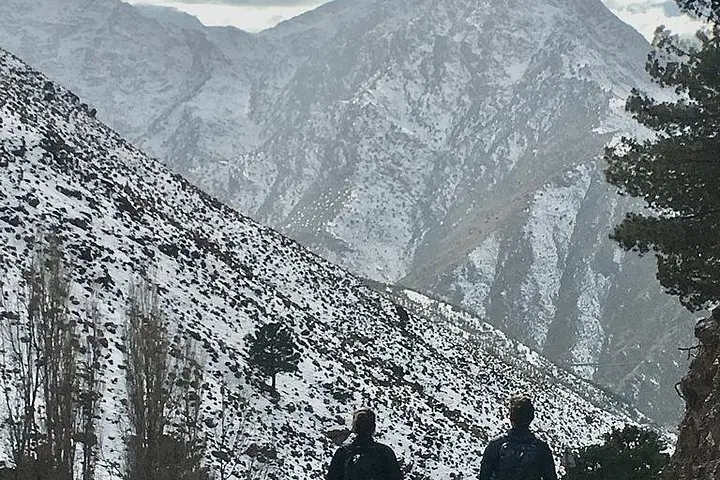
Trails fan out from the square where mules wait and Berber women offer strong mint tea; the valley pulls you upward toward the hamlet of Aremd (often written Armed), and each switchback opens a wider view of Toubkal’s mass—4170 m of rock and snow that dominates the skyline.
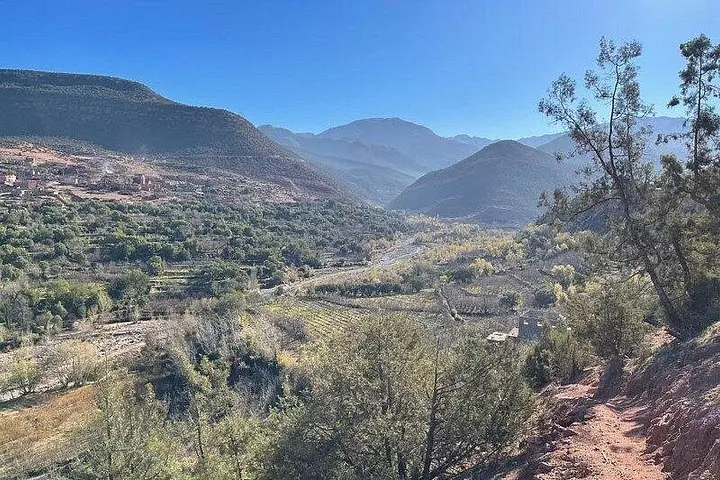
Geologically the High Atlas is young, tectonic uplift carved into steep cols and terraced fields; culturally this is Amazigh country, where seasonal irrigation and stone houses define a mountain rhythm. You’ll pass small farms, terraced barley, and the occasional shrine at Sidi Chamharouch, a local pilgrimage site.
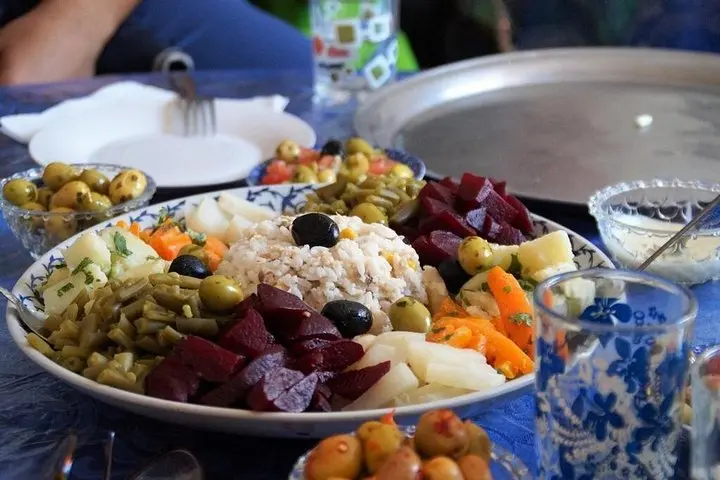
Expect 7–8 hours on a variable, mostly dirt trail with short rocky sections and gentle elevation gain between villages rather than a sustained alpine ascent. Interaction with villagers is part of the day: cooperative breakfasts and home-cooked lunches introduce local ingredients and hospitality.
Practical notes: wear solid walking shoes, carry 2 liters of water, and layer for sun and mountain chill—mornings can be cool while afternoons warm quickly. Mobile reception is intermittent; guide-led groups handle navigation and local translation. Respect private terraces, ask before photographing people, and tip for hosted meals.
This trip suits hikers who want an accessible introduction to Atlas mountain life without technical climbing. It balances walking, cultural contact, and steady scenic reward—an efficient day that gives a clear sense of why Imlil is a basecamp for both casual walkers and serious trekkers.
The itinerary is typically 7–8 hours total; trails are mostly dirt and village paths with moderate climbs—suitable for active walkers but not technical climbers.
Yes—an air-conditioned vehicle transfer is normally included for the full-day tour from Marrakech.
Children can join but must be accompanied by adults; stroller access is possible in village areas but terrain limits use on steeper sections.
A small breakfast (often at a Berber women’s cooperative) and a homely lunch in the valley are included; notify guides of dietary needs in advance.
Morocco Mountain Outdoors operates guided outdoor trips and adventures with an emphasis on safety, stewardship, and memorable experiences.
You arrive in Imlil with dusted sunlight on citrus trees and the High Atlas rising like a raw wall above the village.
You arrive in Imlil with dusted sunlight on citrus trees and the High Atlas rising like a raw wall above the village.
Trails fan out from the square where mules wait and Berber women offer strong mint tea; the valley pulls you upward toward the hamlet of Aremd (often written Armed), and each switchback opens a wider view of Toubkal’s mass—4170 m of rock and snow that dominates the skyline.
Geologically the High Atlas is young, tectonic uplift carved into steep cols and terraced fields; culturally this is Amazigh country, where seasonal irrigation and stone houses define a mountain rhythm. You’ll pass small farms, terraced barley, and the occasional shrine at Sidi Chamharouch, a local pilgrimage site.
Expect 7–8 hours on a variable, mostly dirt trail with short rocky sections and gentle elevation gain between villages rather than a sustained alpine ascent. Interaction with villagers is part of the day: cooperative breakfasts and home-cooked lunches introduce local ingredients and hospitality.
Practical notes: wear solid walking shoes, carry 2 liters of water, and layer for sun and mountain chill—mornings can be cool while afternoons warm quickly. Mobile reception is intermittent; guide-led groups handle navigation and local translation. Respect private terraces, ask before photographing people, and tip for hosted meals.
This trip suits hikers who want an accessible introduction to Atlas mountain life without technical climbing. It balances walking, cultural contact, and steady scenic reward—an efficient day that gives a clear sense of why Imlil is a basecamp for both casual walkers and serious trekkers.