THE ADVENTURE COLLECTIVE® · Independent discovery and booking for outdoor travel

Trade Marrakech’s medina maze for mountain air on a full-day excursion to Imlil and the High Atlas. Hike past waterfalls and terraces, visit an argan cooperative, and share lunch in a Berber home for a compact cultural and outdoor experience.
Trade Marrakech’s medina maze for mountain air on a full-day excursion to Imlil and the High Atlas. Hike past waterfalls and terraces, visit an argan cooperative, and share lunch in a Berber home for a compact cultural and outdoor experience.
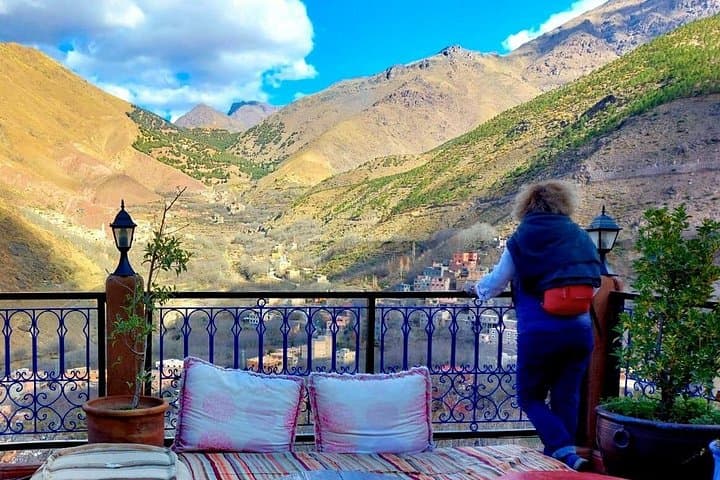
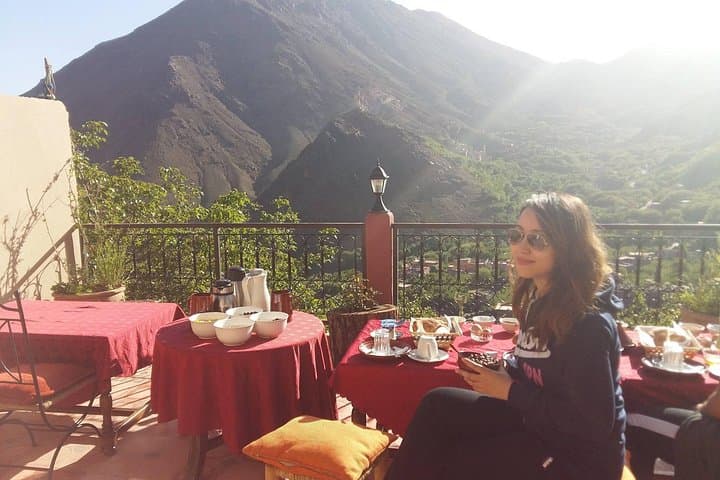
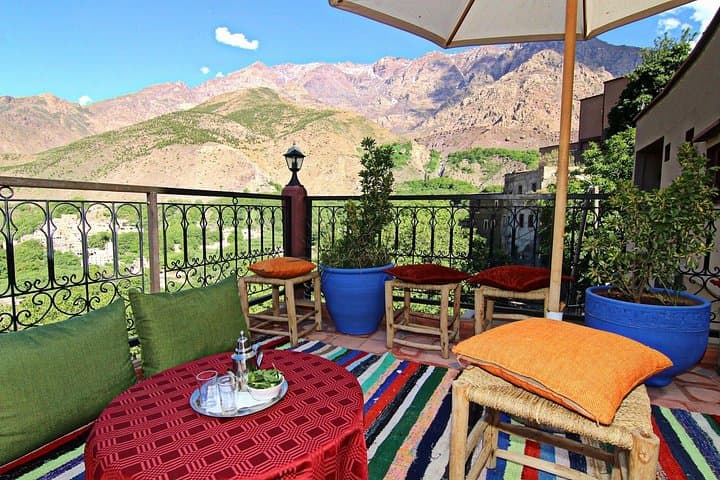
You leave Marrakech behind and watch the city’s ochre walls shrink as the road climbs into the High Atlas. By mid-morning the air sharpens; terraced fields and walnut trees slide past the window, mule bells tick from the valley below, and the jagged ridgeline of the Atlas frames the sky. Arriving in Imlil, the trail threads villages, waterfalls and irrigated barley plots as guides point out watering systems and stone terraces shaped by centuries of mountain farming.
Verified experiences and guided adventures in the surrounding area.
Operated by MARRAKECH BEST TRIPS · Imlil, Marrakech-Safi
You leave Marrakech behind and watch the city’s ochre walls shrink as the road climbs into the High Atlas. By mid-morning the air sharpens; terraced fields and walnut trees slide past the window, mule bells tick from the valley below, and the jagged ridgeline of the Atlas frames the sky. Arriving in Imlil, the trail threads villages, waterfalls and irrigated barley plots as guides point out watering systems and stone terraces shaped by centuries of mountain farming.
The High Atlas is both geological uplift and cultural crossroads: folded, limestone-and-schist ridges pushed up by African-European plate collision, sprinkled with villages where Amazigh (Berber) traditions remain visible in language, craft and communal life. You’ll visit an argan cooperative—an economic lifeline for local women—and Moulay Ibrahim’s tomb, a small spiritual site that anchors seasonal pilgrimage and local memory.
Practically, the tour mixes walking and optional mule rides, topping at the Kik Plateau around 1,800 m where you get 360° views of ridges and orchards. Expect uneven stone tracks, short climbs, and cooling breezes higher up. Lunch in a Berber house is simple, fresh and generous—bring any dietary requests in advance and be prepared to remove shoes and accept hospitality graciously.
Timing: start around 9:00, return to Marrakech late afternoon. Footwear with good grip, layered clothing for wind and sun, and 1–2 liters of water are essential. The route suits fit beginners through experienced hikers when paced conservatively; hire a mule for steeper sections or rainy conditions. Respect local customs, leave no trace, and support cooperatives when offered local products.
Yes—route options, a relaxed pace and mule rides make it accessible for families and older guests, but notify the operator of mobility needs.
Yes; many guests use mules for steeper sections—confirm availability when booking if you prefer riding.
Guides typically speak English, Spanish and French; local guides and hosts will also speak Tamazight (Amazigh) and Arabic.
Round-trip pickup from Marrakech, guided hike, argan cooperative visit, and lunch in a Berber home are included; gratuities and personal purchases are extra.
MARRAKECH BEST TRIPS operates guided outdoor trips and adventures with an emphasis on safety, stewardship, and memorable experiences.

You leave Marrakech behind and watch the city’s ochre walls shrink as the road climbs into the High Atlas. By mid-morning the air sharpens; terraced fields and walnut trees slide past the window, mule bells tick from the valley below, and the jagged ridgeline of the Atlas frames the sky. Arriving in Imlil, the trail threads villages, waterfalls and irrigated barley plots as guides point out watering systems and stone terraces shaped by centuries of mountain farming.
You leave Marrakech behind and watch the city’s ochre walls shrink as the road climbs into the High Atlas. By mid-morning the air sharpens; terraced fields and walnut trees slide past the window, mule bells tick from the valley below, and the jagged ridgeline of the Atlas frames the sky. Arriving in Imlil, the trail threads villages, waterfalls and irrigated barley plots as guides point out watering systems and stone terraces shaped by centuries of mountain farming.
The High Atlas is both geological uplift and cultural crossroads: folded, limestone-and-schist ridges pushed up by African-European plate collision, sprinkled with villages where Amazigh (Berber) traditions remain visible in language, craft and communal life. You’ll visit an argan cooperative—an economic lifeline for local women—and Moulay Ibrahim’s tomb, a small spiritual site that anchors seasonal pilgrimage and local memory.
Practically, the tour mixes walking and optional mule rides, topping at the Kik Plateau around 1,800 m where you get 360° views of ridges and orchards. Expect uneven stone tracks, short climbs, and cooling breezes higher up. Lunch in a Berber house is simple, fresh and generous—bring any dietary requests in advance and be prepared to remove shoes and accept hospitality graciously.
Timing: start around 9:00, return to Marrakech late afternoon. Footwear with good grip, layered clothing for wind and sun, and 1–2 liters of water are essential. The route suits fit beginners through experienced hikers when paced conservatively; hire a mule for steeper sections or rainy conditions. Respect local customs, leave no trace, and support cooperatives when offered local products.