THE ADVENTURE COLLECTIVE® · Independent discovery and booking for outdoor travel

Escape Marrakech for a full-day guided hike into the High Atlas, visiting Imlil’s waterfalls, Berber hamlets, and a riverside camel ride. This practical day trip blends moderate trekking, local culture and transport, with hotel pickup and a traditional lunch included.
Escape Marrakech for a full-day guided hike into the High Atlas, visiting Imlil’s waterfalls, Berber hamlets, and a riverside camel ride. This practical day trip blends moderate trekking, local culture and transport, with hotel pickup and a traditional lunch included.
You leave Marrakech before the heat sets in, the city receding as the plain folds into the rising ribs of the High Atlas. The road climbs; the air sharpens. In Imlil, shepherd paths and terraced fields open like pages, and a guide leads you up mule tracks toward waterfalls and hamlets where scent of wood smoke and fragrant mint tea meet the wind.
Verified experiences and guided adventures in the surrounding area.
Operated by Big Bus Transport · Imlil, Marrakesh-Safi
You leave Marrakech before the heat sets in, the city receding as the plain folds into the rising ribs of the High Atlas. The road climbs; the air sharpens. In Imlil, shepherd paths and terraced fields open like pages, and a guide leads you up mule tracks toward waterfalls and hamlets where scent of wood smoke and fragrant mint tea meet the wind.
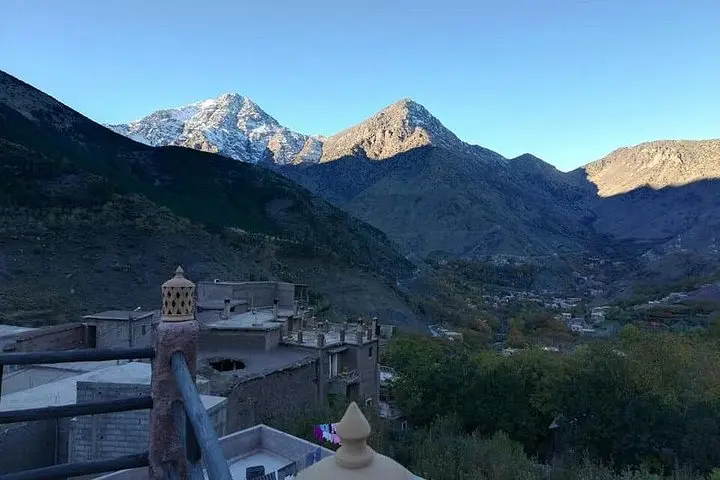
Geology here is blunt and honest—folded limestone and schist carved by glacial action and seasonal torrents into steep valleys. The region is part of the greater Toubkal range, Morocco’s high backbone, and has supported Amazigh (Berber) communities for generations; their stone houses and irrigation channels are practical evidence of living with the land.
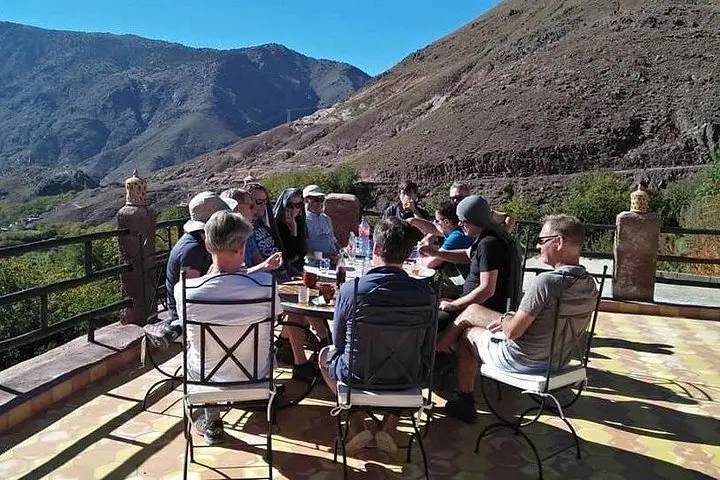
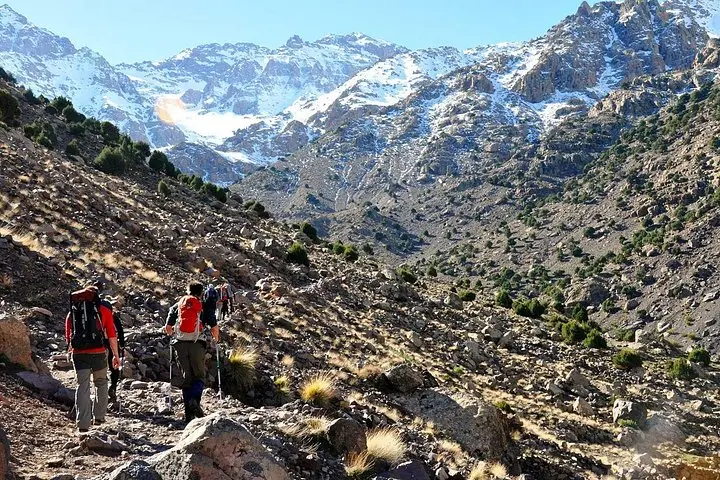
The activity is a full day: expect 6–10 hours total including transfers, with 3–6 km of walking on uneven, sometimes steep terrain and roughly 300–700 m of ascent if you push toward higher viewpoints. Trails alternate packed dirt, loose scree and paved village lanes; shade is interrupted by open terraces where the sun asserts itself. A traditional Berber lunch is included, and the itinerary often adds a short camel ride along the river—more cultural encounter than long trek.
Practical notes: wear sturdy boots, carry 1–2 liters of water, and layer for variable mountain weather. Start early to avoid mid-afternoon heat, respect local customs in villages, and follow your guide to minimize erosion and disruption. The route is accessible to most moderately fit hikers but is not suited for anyone with serious back or heart conditions.
The transfer takes roughly 1–1.5 hours each way depending on traffic and route, included in the full-day schedule.
Short village walks work for children and older participants, but longer uphill sections require reasonable fitness; the operator notes it’s not recommended for people with serious back or heart issues.
Yes—this trip includes a local mountains guide, a traditional Berber lunch and bottled water as described in the itinerary.
Yes—the tour includes hotel pickup and drop-off so luggage can remain at your accommodation during the day.
Big Bus Transport operates guided outdoor trips and adventures with an emphasis on safety, stewardship, and memorable experiences.
You leave Marrakech before the heat sets in, the city receding as the plain folds into the rising ribs of the High Atlas. The road climbs; the air sharpens. In Imlil, shepherd paths and terraced fields open like pages, and a guide leads you up mule tracks toward waterfalls and hamlets where scent of wood smoke and fragrant mint tea meet the wind.
You leave Marrakech before the heat sets in, the city receding as the plain folds into the rising ribs of the High Atlas. The road climbs; the air sharpens. In Imlil, shepherd paths and terraced fields open like pages, and a guide leads you up mule tracks toward waterfalls and hamlets where scent of wood smoke and fragrant mint tea meet the wind.
Geology here is blunt and honest—folded limestone and schist carved by glacial action and seasonal torrents into steep valleys. The region is part of the greater Toubkal range, Morocco’s high backbone, and has supported Amazigh (Berber) communities for generations; their stone houses and irrigation channels are practical evidence of living with the land.
The activity is a full day: expect 6–10 hours total including transfers, with 3–6 km of walking on uneven, sometimes steep terrain and roughly 300–700 m of ascent if you push toward higher viewpoints. Trails alternate packed dirt, loose scree and paved village lanes; shade is interrupted by open terraces where the sun asserts itself. A traditional Berber lunch is included, and the itinerary often adds a short camel ride along the river—more cultural encounter than long trek.
Practical notes: wear sturdy boots, carry 1–2 liters of water, and layer for variable mountain weather. Start early to avoid mid-afternoon heat, respect local customs in villages, and follow your guide to minimize erosion and disruption. The route is accessible to most moderately fit hikers but is not suited for anyone with serious back or heart conditions.