THE ADVENTURE COLLECTIVE® · Independent discovery and booking for outdoor travel

Leave Marrakech for a day in the High Atlas with a Berber guide, walking mule tracks and terraced fields to villages where a family lunch awaits. Expect 6–10 km, cultural stops, and authentic local hospitality on a flexible, small-group trek.
Leave Marrakech for a day in the High Atlas with a Berber guide, walking mule tracks and terraced fields to villages where a family lunch awaits. Expect 6–10 km, cultural stops, and authentic local hospitality on a flexible, small-group trek.
A cool mountain wind meets the bus as it leaves Marrakech behind and climbs toward the High Atlas. By the time the road drops into Imlil, the air has thinned and terraced fields step down the slopes like masonry. The hike moves through shaded mule tracks and sunlit ridgelines, guided by a local Berber who reads the land with practiced ease—pointing out irrigation channels, seasonal crops, and the smoke of a family guesthouse where lunch waits.
Verified experiences and guided adventures in the surrounding area.
Operated by Idris on the Go · Imlil, Marrakech-Safi
A cool mountain wind meets the bus as it leaves Marrakech behind and climbs toward the High Atlas. By the time the road drops into Imlil, the air has thinned and terraced fields step down the slopes like masonry. The hike moves through shaded mule tracks and sunlit ridgelines, guided by a local Berber who reads the land with practiced ease—pointing out irrigation channels, seasonal crops, and the smoke of a family guesthouse where lunch waits.
This route traverses geology of folded limestone and volcanic outcrops that formed as the Atlas uplifted; trails skirt stone walls and old irrigation terraces maintained by Amazigh (Berber) communities for generations. Cultural notes arrive organically: a stop at a women-run argan cooperative, a taste of olive oil and the cadence of Tamazight conversation. Small villages such as Tacheddirt and the Asni market nearby preserve craft and mountain farming traditions.
Expect 6–10 km of walking depending on the exact loop, with 300–600 m of elevation change on dirt tracks, scree patches and paved village lanes. The pace is flexible—this is a people-focused hike as much as a landscape one. Practicalities: wear grippy hiking shoes, bring 1–2 liters of water, dress in layers for midday sun and cooler high-altitude afternoons, and time the outing for morning starts to avoid hottest hours. The guide handles logistics and a home-cooked Berber meal provides both rest and an authentic window into village life. Stick to trails to protect fragile terraces and leave the cooperative supported by buying small goods before you leave.
Yes—routes are adjustable and guides set a pace for mixed fitness levels; mention any limitations when booking so guides can adapt the day.
Yes: hotel/riad pickup in Marrakech, an air-conditioned transfer, and a traditional Berber home-cooked lunch in a family guesthouse are included.
Walking distance typically ranges 6–10 km with 300–600 m cumulative elevation gain depending on the chosen loop; sections include steady climbs and some short steep pitches.
Yes—the itinerary includes a stop at a women-run argan cooperative where you can learn about production and purchase goods directly supporting local livelihoods.
Idris on the Go operates guided outdoor trips and adventures with an emphasis on safety, stewardship, and memorable experiences.
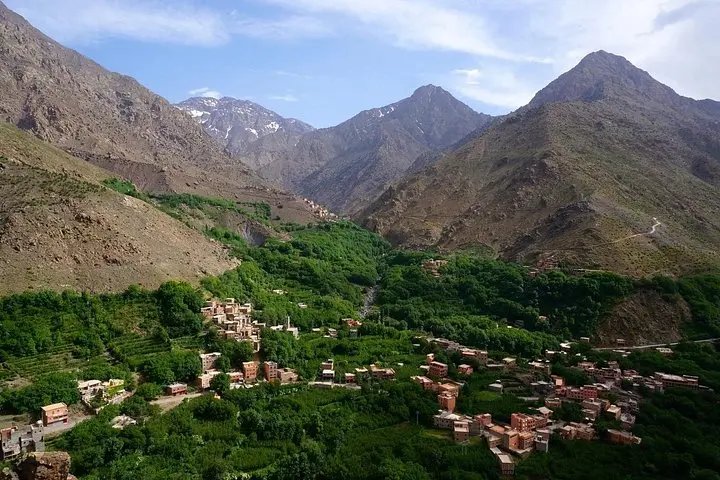
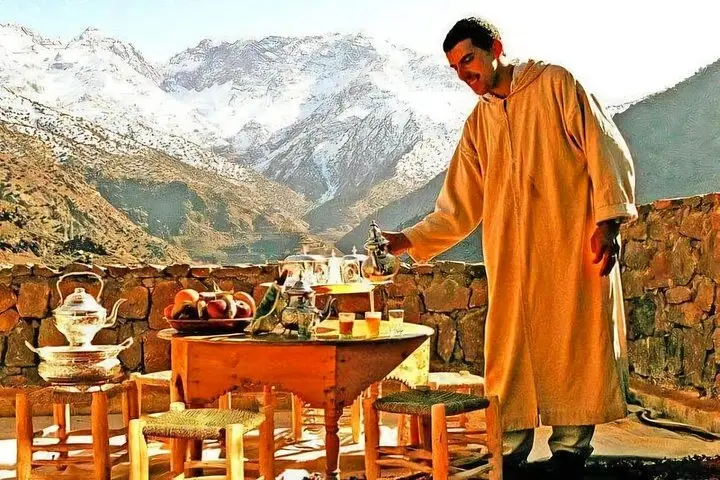
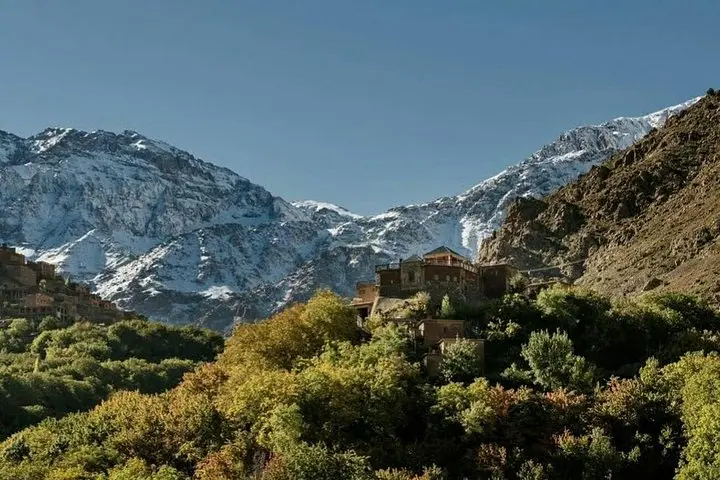
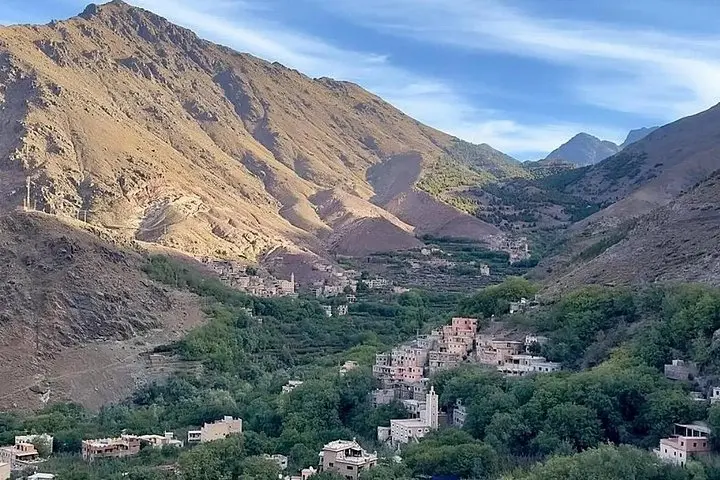
A cool mountain wind meets the bus as it leaves Marrakech behind and climbs toward the High Atlas. By the time the road drops into Imlil, the air has thinned and terraced fields step down the slopes like masonry. The hike moves through shaded mule tracks and sunlit ridgelines, guided by a local Berber who reads the land with practiced ease—pointing out irrigation channels, seasonal crops, and the smoke of a family guesthouse where lunch waits.
A cool mountain wind meets the bus as it leaves Marrakech behind and climbs toward the High Atlas. By the time the road drops into Imlil, the air has thinned and terraced fields step down the slopes like masonry. The hike moves through shaded mule tracks and sunlit ridgelines, guided by a local Berber who reads the land with practiced ease—pointing out irrigation channels, seasonal crops, and the smoke of a family guesthouse where lunch waits.
This route traverses geology of folded limestone and volcanic outcrops that formed as the Atlas uplifted; trails skirt stone walls and old irrigation terraces maintained by Amazigh (Berber) communities for generations. Cultural notes arrive organically: a stop at a women-run argan cooperative, a taste of olive oil and the cadence of Tamazight conversation. Small villages such as Tacheddirt and the Asni market nearby preserve craft and mountain farming traditions.
Expect 6–10 km of walking depending on the exact loop, with 300–600 m of elevation change on dirt tracks, scree patches and paved village lanes. The pace is flexible—this is a people-focused hike as much as a landscape one. Practicalities: wear grippy hiking shoes, bring 1–2 liters of water, dress in layers for midday sun and cooler high-altitude afternoons, and time the outing for morning starts to avoid hottest hours. The guide handles logistics and a home-cooked Berber meal provides both rest and an authentic window into village life. Stick to trails to protect fragile terraces and leave the cooperative supported by buying small goods before you leave.