THE ADVENTURE COLLECTIVE® · Independent discovery and booking for outdoor travel

Spend a day in the High Atlas exploring Imlil village, visiting an argan cooperative and enjoying a Berber lunch beneath the Toubkal massif. This 6–7 hour tour mixes short walks, cultural visits and mountain views—ideal for travelers who want a robust day trip from Marrakech.
Spend a day in the High Atlas exploring Imlil village, visiting an argan cooperative and enjoying a Berber lunch beneath the Toubkal massif. This 6–7 hour tour mixes short walks, cultural visits and mountain views—ideal for travelers who want a robust day trip from Marrakech.
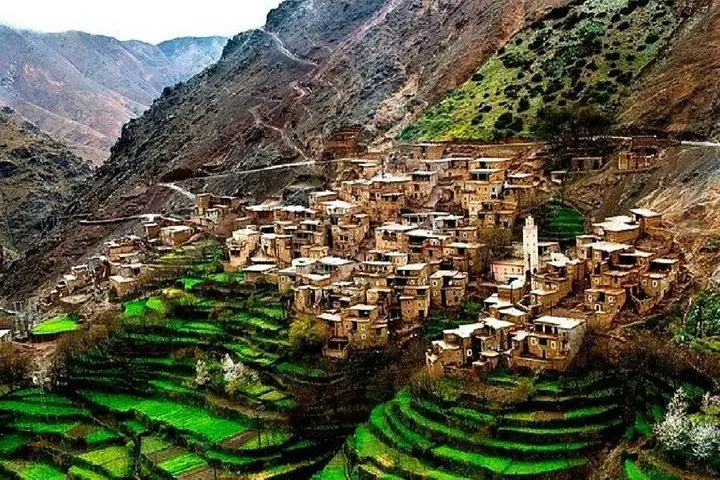
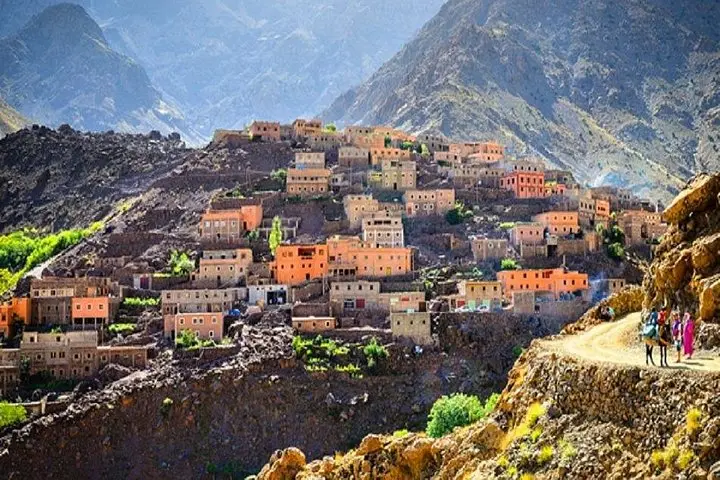
You step out of the air-conditioned van and the High Atlas greets you with a dry, pine-scented wind that seems to push you uphill. Imlil is a scatter of stone houses and narrow mule tracks at the foot of Jebel Toubkal, where terraced fields cling to steep slopes and a clear mountain stream dares you to follow it higher.
Verified experiences and guided adventures in the surrounding area.
Operated by Marrakech experiences · Imlil, Marrakech-Safi
You step out of the air-conditioned van and the High Atlas greets you with a dry, pine-scented wind that seems to push you uphill. Imlil is a scatter of stone houses and narrow mule tracks at the foot of Jebel Toubkal, where terraced fields cling to steep slopes and a clear mountain stream dares you to follow it higher.
This landscape formed as the African and Eurasian plates nudged together, folding volcanic rock into jagged ridgelines and deep gorges. People here—mainly Berber communities—have farmed these slopes for centuries, shaping terraces, irrigation channels and a culture that centers on hospitality, tea rituals and cooperative argan and olive production. The Moulay Brahim Gorges offer sharp, canyon-like relief; Asni’s weekly souk preserves market traditions; and small, female-run argan cooperatives showcase local craft and livelihood.
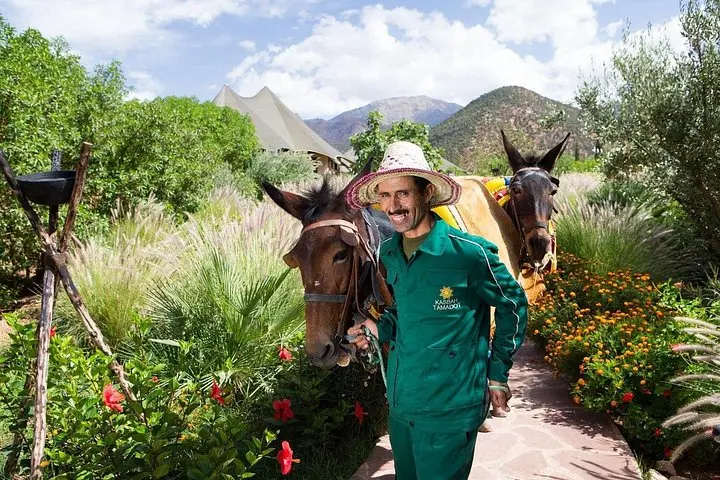
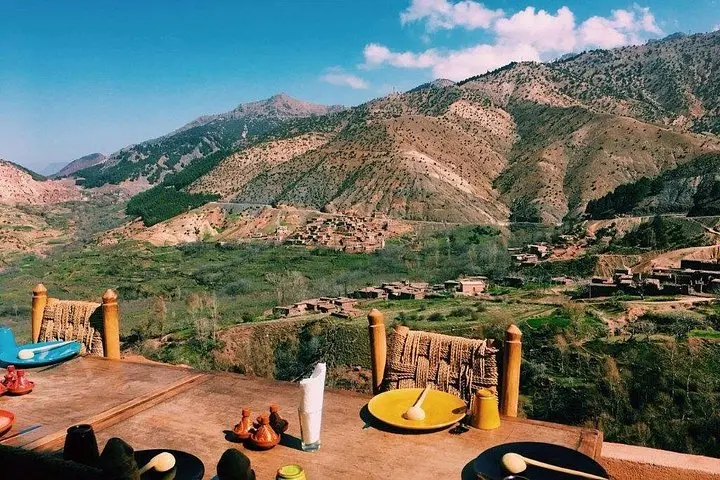
Expect easy village walks, a short camel ride before you reach the highlands, and a home-cooked Moroccan lunch with a Berber family. Terrain is uneven cobble and mule paths with low elevation gain compared to high-alpine climbs, but sun and altitude can fatigue even fit travelers.
Practical guidance: wear sturdy walking shoes, bring a refillable water bottle and layered clothing for temperature swings. Carry cash for cooperative purchases and local tips, and plan for a 6–7 hour day with hotel pickup in Marrakech. Move deliberately on stone sections, respect private spaces in villages, and use your guide to translate and navigate the network of trails—this keeps the experience authentic and low-impact.
Yes—it's rated physically easy and involves short walks; disclose mobility needs at booking for appropriate pickup and pacing.
Most hosts can accommodate common dietary requirements if notified in advance; indicate needs during booking.
Walking is mainly short village explorations and gentle trails—expect 1–3 miles total at a relaxed pace with stops.
Tipping is customary; small amounts for the guide and a modest gift or tip for the hosting family are appreciated.
Marrakech experiences operates guided outdoor trips and adventures with an emphasis on safety, stewardship, and memorable experiences.
You step out of the air-conditioned van and the High Atlas greets you with a dry, pine-scented wind that seems to push you uphill. Imlil is a scatter of stone houses and narrow mule tracks at the foot of Jebel Toubkal, where terraced fields cling to steep slopes and a clear mountain stream dares you to follow it higher.
You step out of the air-conditioned van and the High Atlas greets you with a dry, pine-scented wind that seems to push you uphill. Imlil is a scatter of stone houses and narrow mule tracks at the foot of Jebel Toubkal, where terraced fields cling to steep slopes and a clear mountain stream dares you to follow it higher.
This landscape formed as the African and Eurasian plates nudged together, folding volcanic rock into jagged ridgelines and deep gorges. People here—mainly Berber communities—have farmed these slopes for centuries, shaping terraces, irrigation channels and a culture that centers on hospitality, tea rituals and cooperative argan and olive production. The Moulay Brahim Gorges offer sharp, canyon-like relief; Asni’s weekly souk preserves market traditions; and small, female-run argan cooperatives showcase local craft and livelihood.
Expect easy village walks, a short camel ride before you reach the highlands, and a home-cooked Moroccan lunch with a Berber family. Terrain is uneven cobble and mule paths with low elevation gain compared to high-alpine climbs, but sun and altitude can fatigue even fit travelers.
Practical guidance: wear sturdy walking shoes, bring a refillable water bottle and layered clothing for temperature swings. Carry cash for cooperative purchases and local tips, and plan for a 6–7 hour day with hotel pickup in Marrakech. Move deliberately on stone sections, respect private spaces in villages, and use your guide to translate and navigate the network of trails—this keeps the experience authentic and low-impact.