THE ADVENTURE COLLECTIVE® · Independent discovery and booking for outdoor travel

Spend a day hiking the Imlil Valley in the High Atlas with a local guide and a home-cooked lunch inside a Berber house. This 6–8 hour trek from Marrakech offers valley trails, mountain views and cultural encounters with villagers along the way.
Spend a day hiking the Imlil Valley in the High Atlas with a local guide and a home-cooked lunch inside a Berber house. This 6–8 hour trek from Marrakech offers valley trails, mountain views and cultural encounters with villagers along the way.
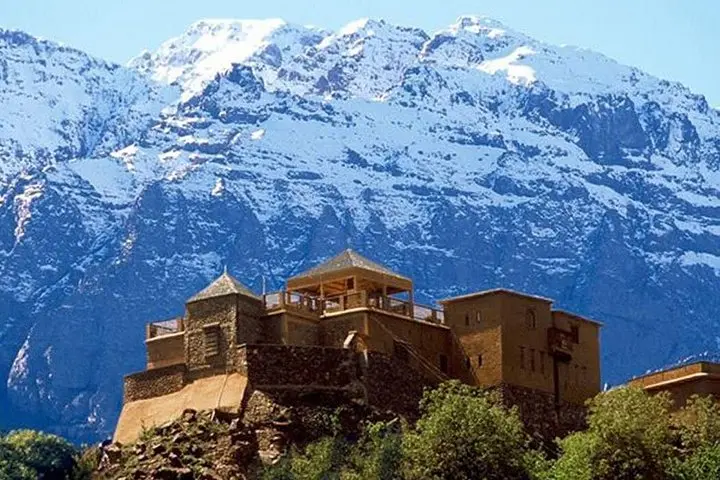
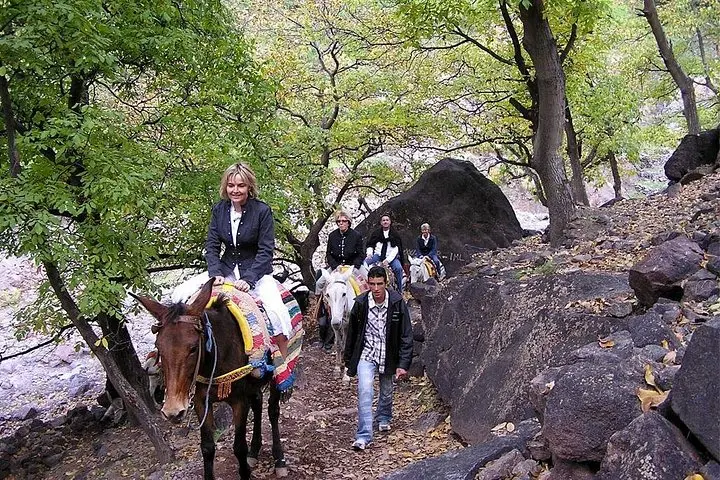
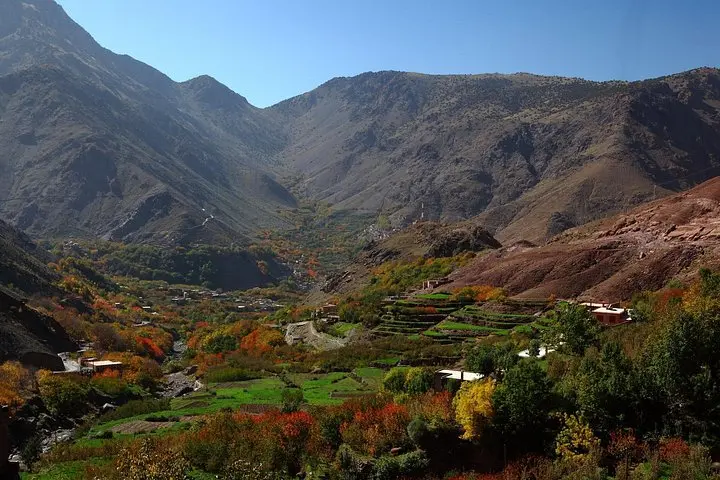
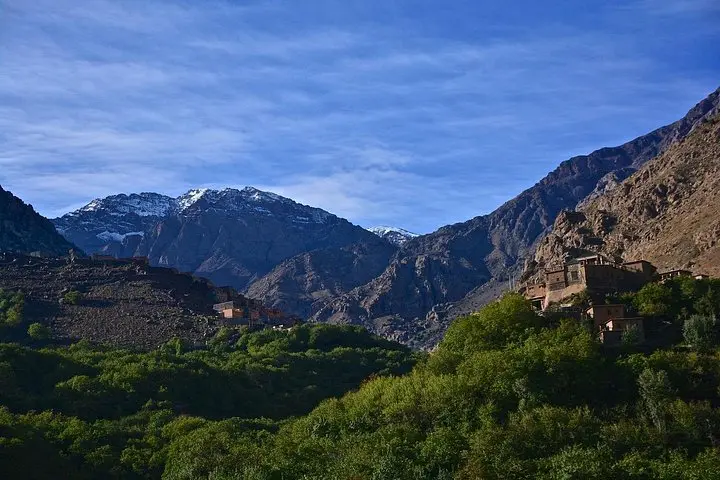
You step out of the vehicle as the High Atlas breathes cool air into the afternoon — clustered stone houses, terraced fields, and a line of peaks that make the valley feel like a route through living geology. The walk begins from Imlil village (≈1,740 m), and the trail threads past mule tracks, walnut groves and rushing mountain streams that dare you to slow down and listen.
Verified experiences and guided adventures in the surrounding area.
Operated by Visita marruecos · Imlil, Marrakech-Safi
You step out of the vehicle as the High Atlas breathes cool air into the afternoon — clustered stone houses, terraced fields, and a line of peaks that make the valley feel like a route through living geology. The walk begins from Imlil village (≈1,740 m), and the trail threads past mule tracks, walnut groves and rushing mountain streams that dare you to slow down and listen.
Imlil sits at the southern foothills of Mount Toubkal, North Africa’s highest peak (4,167 m), and the valley has long been a waypoint for Berber shepherds and climbers. The landscape is dominated by folded sedimentary rock and ancient alluvial fans; village architecture uses local stone and lime, reflecting a culture adapted to steep slopes and scarce water. Expect friendly greetings, traditional terraced agriculture, and a simple, direct hospitality when you stop for a home-cooked lunch in a Berber house.
Practical details: a typical day trek covers roughly 8–12 km round trip with 200–600 m of cumulative elevation gain depending on side trails, on mixed dirt paths and rocky sections. The pace is steady but forgiving — the route suits a wide range of fitness levels. Pack layers for temperature swings, sturdy shoes for uneven terrain, and cash for small purchases or tea with locals. Guides provide bottled water and handle logistics; transport from Marrakech adds about 60–90 minutes each way. By the time you return, the valley has loosened the rush of the city and replaced it with a clearer rhythm — your feet marked by dust and your head by new contours of the High Atlas.
Imlil is roughly 60–90 minutes by vehicle from Marrakech (about 35–50 miles / 55–80 km depending on route and traffic).
Yes — the tour notes indicate it’s suitable for all fitness levels, but children should be accompanied by an adult and brought prepared for uneven terrain and a full day outdoors.
Lunch typically features local salads, tagine or couscous, and traditional bread—menus vary by household and can accommodate basic dietary requests when advised in advance.
Yes — Imlil valley provides clear views toward Mount Toubkal; the day trek doesn’t summit Toubkal but serves as the common gateway for those who do.
Visita marruecos operates guided outdoor trips and adventures with an emphasis on safety, stewardship, and memorable experiences.
You step out of the vehicle as the High Atlas breathes cool air into the afternoon — clustered stone houses, terraced fields, and a line of peaks that make the valley feel like a route through living geology. The walk begins from Imlil village (≈1,740 m), and the trail threads past mule tracks, walnut groves and rushing mountain streams that dare you to slow down and listen.
You step out of the vehicle as the High Atlas breathes cool air into the afternoon — clustered stone houses, terraced fields, and a line of peaks that make the valley feel like a route through living geology. The walk begins from Imlil village (≈1,740 m), and the trail threads past mule tracks, walnut groves and rushing mountain streams that dare you to slow down and listen.
Imlil sits at the southern foothills of Mount Toubkal, North Africa’s highest peak (4,167 m), and the valley has long been a waypoint for Berber shepherds and climbers. The landscape is dominated by folded sedimentary rock and ancient alluvial fans; village architecture uses local stone and lime, reflecting a culture adapted to steep slopes and scarce water. Expect friendly greetings, traditional terraced agriculture, and a simple, direct hospitality when you stop for a home-cooked lunch in a Berber house.
Practical details: a typical day trek covers roughly 8–12 km round trip with 200–600 m of cumulative elevation gain depending on side trails, on mixed dirt paths and rocky sections. The pace is steady but forgiving — the route suits a wide range of fitness levels. Pack layers for temperature swings, sturdy shoes for uneven terrain, and cash for small purchases or tea with locals. Guides provide bottled water and handle logistics; transport from Marrakech adds about 60–90 minutes each way. By the time you return, the valley has loosened the rush of the city and replaced it with a clearer rhythm — your feet marked by dust and your head by new contours of the High Atlas.