THE ADVENTURE COLLECTIVE® · Independent discovery and booking for outdoor travel

A full-day escape from Marrakech into the High Atlas that pairs a short camel ride, visits to argan cooperatives, and a two-hour village hike to Imlil with lunch in a Berber home. Expect easy to moderate walking, dramatic valley views, and cultural encounters with mountain communities.
A full-day escape from Marrakech into the High Atlas that pairs a short camel ride, visits to argan cooperatives, and a two-hour village hike to Imlil with lunch in a Berber home. Expect easy to moderate walking, dramatic valley views, and cultural encounters with mountain communities.
Morning light slants across ochre rooftops as the minibus slips out of Marrakech and the city noise thins to a steady hum.
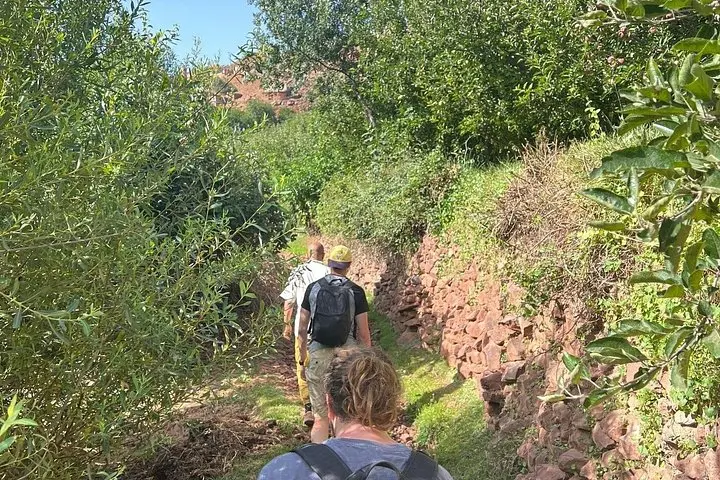
By mid-morning the road climbs into the High Atlas; dust gives way to terraced fields and village squares where goats pick through walnut groves. The day's program moves at a deliberate pace: a short camel ride on rolling foothills, mint tea in a Berber tent, stops at argan cooperatives, then a two-hour walk from the high hamlets down toward Imlil for lunch in a family house.
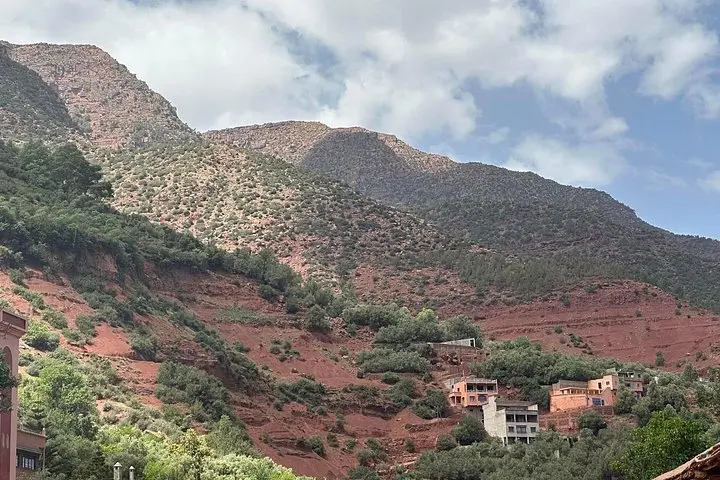
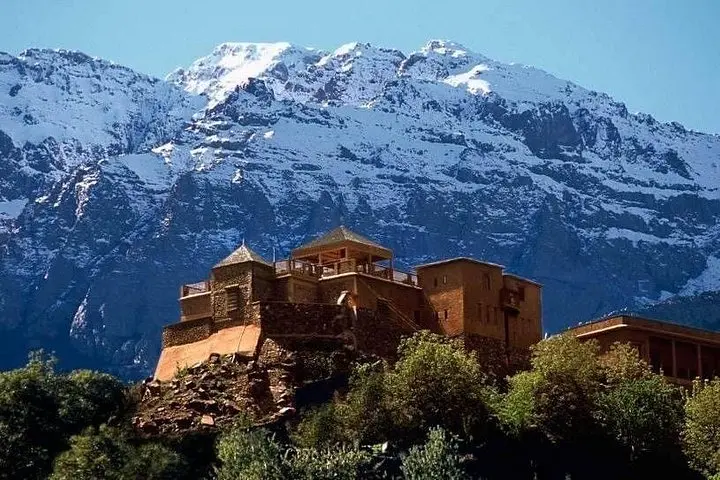
The High Atlas is geologically young—folded sedimentary rock pushed up by Africa's collision with Eurasia—its valleys carved by seasonal torrents and winter snows. Imlil sits at the transition from oak- and juniper-strewn slopes to higher, rockier reaches that feed the Toubkal massif. Culturally, the valley remains strongly Berber: multilingual village life, cooperative argan production, and mountain agriculture shaped by centuries of transhumance.
Practically, the day is long but not technical. Expect rough village tracks, some stone stair sections and short steeper pitches on the village hike. Watch for loose rock and narrow mule paths; local guides keep the pace steady and handle logistics like tea and lunch. Bring a layered jacket for afternoon winds, sturdy footwear for the village hike, and cash for co-ops and tips. The tour leaves early, returns late afternoon, and offers a compact overview of Atlas mountain life for travelers based in Marrakech—an accessible mountain day that balances cultural encounters with light hiking and landscape viewing.
Verified experiences and guided adventures in the surrounding area.
Operated by Tours Around Morocco · Imlil, Marrakech-Safi
Morning light slants across ochre rooftops as the minibus slips out of Marrakech and the city noise thins to a steady hum.
By mid-morning the road climbs into the High Atlas; dust gives way to terraced fields and village squares where goats pick through walnut groves. The day's program moves at a deliberate pace: a short camel ride on rolling foothills, mint tea in a Berber tent, stops at argan cooperatives, then a two-hour walk from the high hamlets down toward Imlil for lunch in a family house.
The High Atlas is geologically young—folded sedimentary rock pushed up by Africa's collision with Eurasia—its valleys carved by seasonal torrents and winter snows. Imlil sits at the transition from oak- and juniper-strewn slopes to higher, rockier reaches that feed the Toubkal massif. Culturally, the valley remains strongly Berber: multilingual village life, cooperative argan production, and mountain agriculture shaped by centuries of transhumance.
Practically, the day is long but not technical. Expect rough village tracks, some stone stair sections and short steeper pitches on the village hike. Watch for loose rock and narrow mule paths; local guides keep the pace steady and handle logistics like tea and lunch. Bring a layered jacket for afternoon winds, sturdy footwear for the village hike, and cash for co-ops and tips. The tour leaves early, returns late afternoon, and offers a compact overview of Atlas mountain life for travelers based in Marrakech—an accessible mountain day that balances cultural encounters with light hiking and landscape viewing.
The transfer is roughly 45–90 minutes each way depending on traffic and stops; plan on a full 7–8 hour day including activities.
Yes; the short camel ride on gentle terrain is family-friendly, but supervision and basic safety briefings are provided.
It’s a 1.5–2 hour hike across village paths and stone steps—moderate effort but non-technical; sturdy shoes recommended.
Lunch in a Berber home is included; operators commonly accommodate basic dietary requests if notified at booking.
Tours Around Morocco operates guided outdoor trips and adventures with an emphasis on safety, stewardship, and memorable experiences.
Morning light slants across ochre rooftops as the minibus slips out of Marrakech and the city noise thins to a steady hum.
By mid-morning the road climbs into the High Atlas; dust gives way to terraced fields and village squares where goats pick through walnut groves. The day's program moves at a deliberate pace: a short camel ride on rolling foothills, mint tea in a Berber tent, stops at argan cooperatives, then a two-hour walk from the high hamlets down toward Imlil for lunch in a family house.
The High Atlas is geologically young—folded sedimentary rock pushed up by Africa's collision with Eurasia—its valleys carved by seasonal torrents and winter snows. Imlil sits at the transition from oak- and juniper-strewn slopes to higher, rockier reaches that feed the Toubkal massif. Culturally, the valley remains strongly Berber: multilingual village life, cooperative argan production, and mountain agriculture shaped by centuries of transhumance.
Practically, the day is long but not technical. Expect rough village tracks, some stone stair sections and short steeper pitches on the village hike. Watch for loose rock and narrow mule paths; local guides keep the pace steady and handle logistics like tea and lunch. Bring a layered jacket for afternoon winds, sturdy footwear for the village hike, and cash for co-ops and tips. The tour leaves early, returns late afternoon, and offers a compact overview of Atlas mountain life for travelers based in Marrakech—an accessible mountain day that balances cultural encounters with light hiking and landscape viewing.