THE ADVENTURE COLLECTIVE® · Independent discovery and booking for outdoor travel

Escape Marrakech for a day and follow a stream into Imlil’s high valley for a short guided hike, mule options, and a traditional guesthouse lunch. This one-day outing mixes accessible trails with authentic Berber hospitality in the Western High Atlas.
Escape Marrakech for a day and follow a stream into Imlil’s high valley for a short guided hike, mule options, and a traditional guesthouse lunch. This one-day outing mixes accessible trails with authentic Berber hospitality in the Western High Atlas.
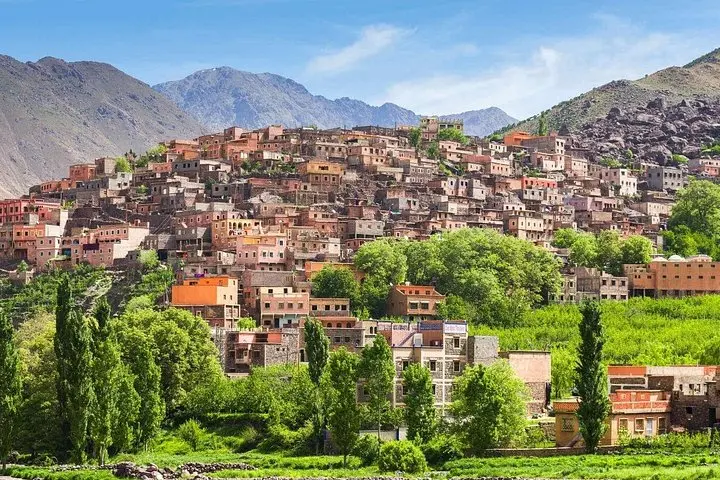
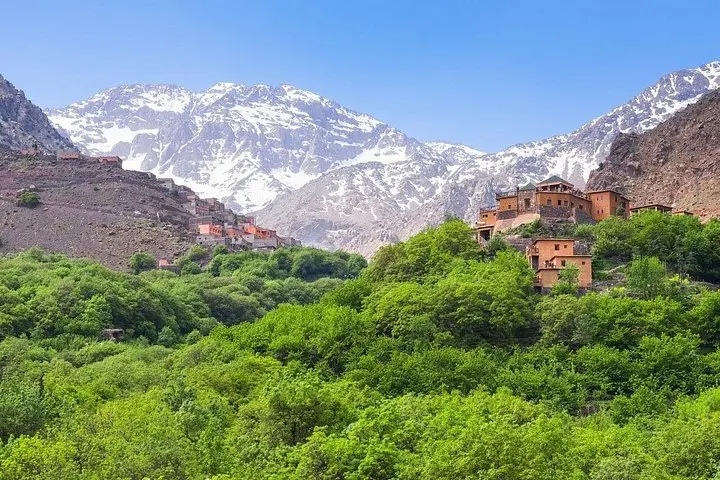
Standing on the cool morning pavement in Marrakech, the city’s heat gives way as the minibus climbs toward the High Atlas. Roadside argan groves blur, then the valley opens: terraced fields, stone houses with flat roofs, and the clear rush of a mountain stream guiding you into Imlil (1,740 m).
Verified experiences and guided adventures in the surrounding area.
Operated by Morocco lifetime Tours · Imlil, Marrakesh-Safi
Standing on the cool morning pavement in Marrakech, the city’s heat gives way as the minibus climbs toward the High Atlas. Roadside argan groves blur, then the valley opens: terraced fields, stone houses with flat roofs, and the clear rush of a mountain stream guiding you into Imlil (1,740 m).
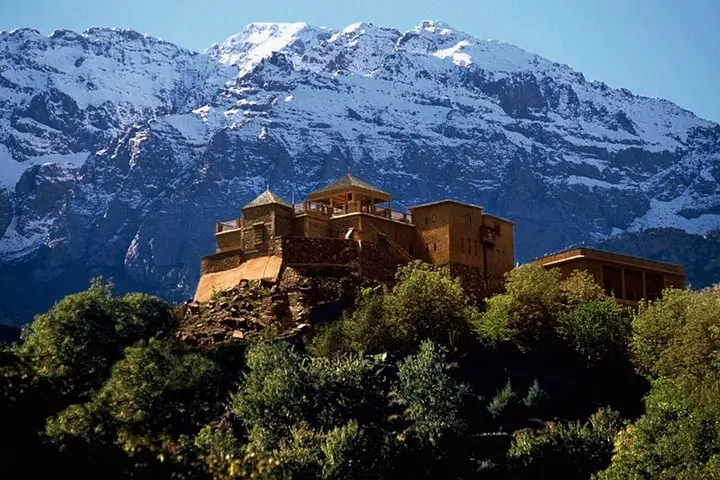
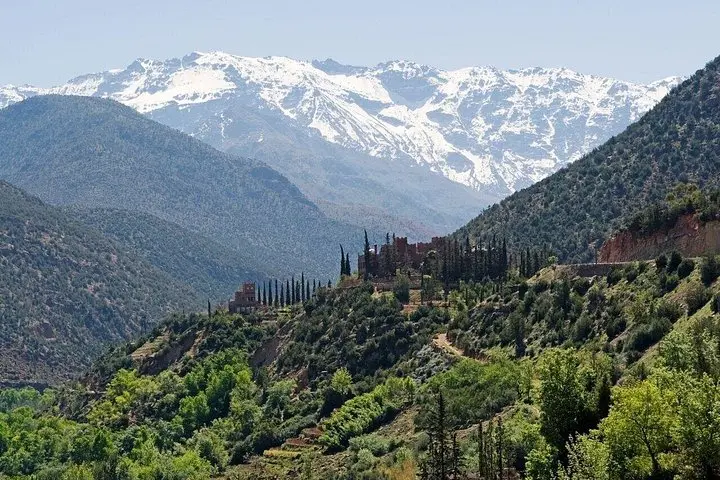
Imlil is a working Berber valley at the head of trails that lead higher into the Western High Atlas. The geology here is mostly uplifted volcanic and sedimentary rock carved by seasonal runoff, producing steep, sculpted ravines and broad alluvial fans where villages sit. Human history is visible in terraced agriculture and guesthouses that grew with trekking to Jebel Toubkal, Morocco’s highest peak. Local life centers on seasonal herding and small-scale farming; hospitality often means a shared tajine and stories about past ascents.
The offered day is straightforward: a guided 1–1.5 hour walk through village paths and along a stream or a mule ride for the less steady; a guesthouse lunch with home-cooked dishes; then optional additional walking to capture the valley’s viewpoints and shutter-worthy scenery. Expect uneven stone paths, short steep pitches, and loose scree on secondary routes.
Practical notes: start early to avoid midday sun, bring layered clothing for rapidly changing mountain temperatures, and carry water (refill at the guesthouse if needed). Photography is best late afternoon; respect private homesteads when stopping. Choosing a local guide and guesthouse supports village economies and keeps trail impact low while giving a clear, rewarding day in the Atlas.
The guided walk is typically 1–1.5 hours each way when included, with optional extensions after lunch for more views or photos.
Yes—mule rides are offered for portions of the village routes and are a traditional way to traverse steeper sections.
Most guesthouses can accommodate vegetarian diets if notified in advance; specify dietary needs when booking.
No—this day trip focuses on Imlil and nearby trails; reaching Toubkal refuge requires a multi-day trek and more time.
Morocco lifetime Tours operates guided outdoor trips and adventures with an emphasis on safety, stewardship, and memorable experiences.
Standing on the cool morning pavement in Marrakech, the city’s heat gives way as the minibus climbs toward the High Atlas. Roadside argan groves blur, then the valley opens: terraced fields, stone houses with flat roofs, and the clear rush of a mountain stream guiding you into Imlil (1,740 m).
Standing on the cool morning pavement in Marrakech, the city’s heat gives way as the minibus climbs toward the High Atlas. Roadside argan groves blur, then the valley opens: terraced fields, stone houses with flat roofs, and the clear rush of a mountain stream guiding you into Imlil (1,740 m).
Imlil is a working Berber valley at the head of trails that lead higher into the Western High Atlas. The geology here is mostly uplifted volcanic and sedimentary rock carved by seasonal runoff, producing steep, sculpted ravines and broad alluvial fans where villages sit. Human history is visible in terraced agriculture and guesthouses that grew with trekking to Jebel Toubkal, Morocco’s highest peak. Local life centers on seasonal herding and small-scale farming; hospitality often means a shared tajine and stories about past ascents.
The offered day is straightforward: a guided 1–1.5 hour walk through village paths and along a stream or a mule ride for the less steady; a guesthouse lunch with home-cooked dishes; then optional additional walking to capture the valley’s viewpoints and shutter-worthy scenery. Expect uneven stone paths, short steep pitches, and loose scree on secondary routes.
Practical notes: start early to avoid midday sun, bring layered clothing for rapidly changing mountain temperatures, and carry water (refill at the guesthouse if needed). Photography is best late afternoon; respect private homesteads when stopping. Choosing a local guide and guesthouse supports village economies and keeps trail impact low while giving a clear, rewarding day in the Atlas.