THE ADVENTURE COLLECTIVE® · Independent discovery and booking for outdoor travel

Trade Marrakech’s medina heat for the cool, terraced slopes of Imlil Valley on a full-day guided trip. Hike to waterfalls, visit a Berber argan cooperative, ride a camel on the plains and soak in views of North Africa’s highest peak, Toubkal.
Trade Marrakech’s medina heat for the cool, terraced slopes of Imlil Valley on a full-day guided trip. Hike to waterfalls, visit a Berber argan cooperative, ride a camel on the plains and soak in views of North Africa’s highest peak, Toubkal.
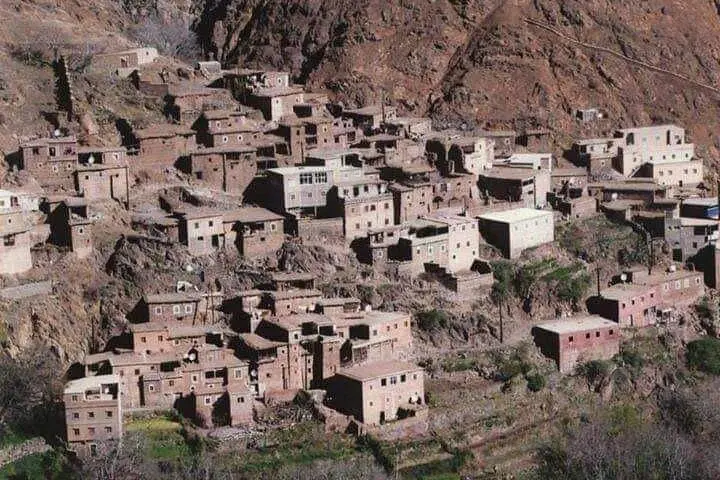
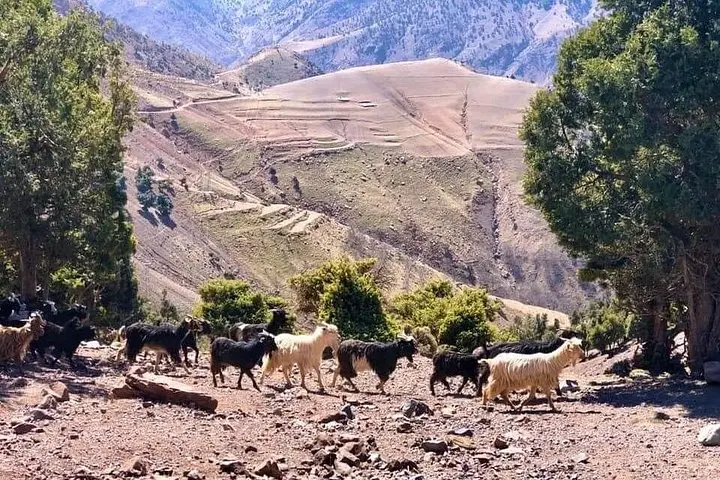
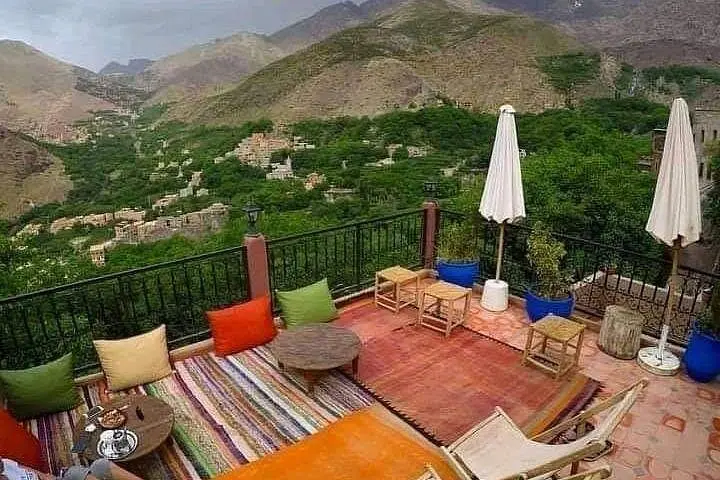
A morning peel-back of Marrakech gives way to high, sun-bleached terraces and a drove of cedar-scented wind as the road climbs toward Imlil. By mid-morning the group disembarks where stone houses stake claims to steep slopes and a distant line of jagged peaks—Toubkal at 4,167 m—dominates the skyline. The tour moves in motion: a short camel ride on lower plains, a walk beneath poplars to a waterfall near Aremd (≈1,900 m), then a slower study of village life over tea.
Verified experiences and guided adventures in the surrounding area.
Operated by Tours Around Morocco · Imlil, Marrakesh-Safi
A morning peel-back of Marrakech gives way to high, sun-bleached terraces and a drove of cedar-scented wind as the road climbs toward Imlil. By mid-morning the group disembarks where stone houses stake claims to steep slopes and a distant line of jagged peaks—Toubkal at 4,167 m—dominates the skyline. The tour moves in motion: a short camel ride on lower plains, a walk beneath poplars to a waterfall near Aremd (≈1,900 m), then a slower study of village life over tea.
This corridor sits inside Toubkal National Park, shaped by recent tectonics and age-old erosion that left dramatic gulleys and terraced orchards. The High Atlas has been home to Amazigh (Berber) communities for centuries; local cooperatives still process argan and maintain dry-stone construction techniques. Travelers will see adobe homes, fruit orchards in Ait Souk, and seasonal irrigation channels that mirror centuries of mountain agriculture.
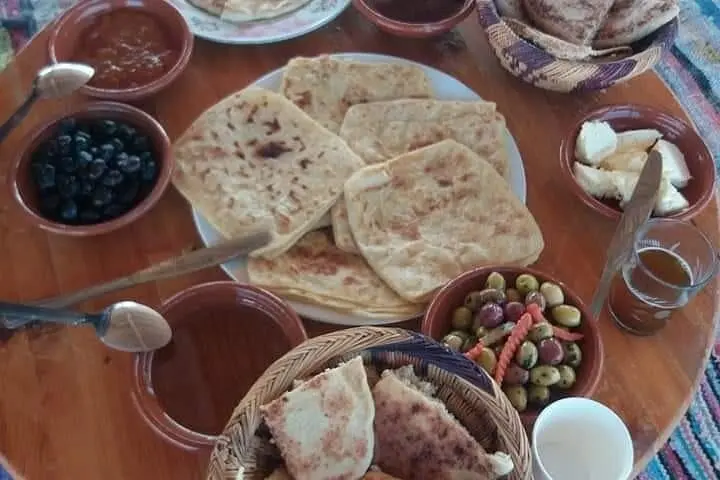
Expect a mix of paved driving, short gravel lanes and uneven village paths—no technical climbing, but repeated uphill steps. Practicalities: plan for 8 hours total, roughly 1–1.5 hours each way from central Marrakech, moderate fitness, and layered clothing for temperature swings. Bring sturdy shoes for wet paths near waterfalls, sun protection for exposed sections, and small bills for cooperative purchases or tipping. The itinerary generally includes bottled water, lunch in a Berber house, and a local guide who explains cooking, argan processing and the region’s seasonal rhythms. Return to Marrakech in late afternoon with a clearer sense of the Atlas: a landscape that pushes back against the city’s bustle and invites measured exploration.
Expect about 1 to 1.5 hours each way depending on traffic and the chosen mountain road; the full experience runs about eight hours.
Yes for most families; children and older guests should be able to walk short uneven sections and notify the operator about mobility needs—infant seats and stroller-accessible notes are often accommodated.
No; this day trip offers views of Jebel Toubkal from the valley and short village walks only. Summit climbs require multi-day, technical-trekking itineraries and acclimatization.
Many cooperatives are women-led social enterprises—ask about production methods and where proceeds go; reputable groups reinvest in the community and pay fair wages.
Tours Around Morocco operates guided outdoor trips and adventures with an emphasis on safety, stewardship, and memorable experiences.
A morning peel-back of Marrakech gives way to high, sun-bleached terraces and a drove of cedar-scented wind as the road climbs toward Imlil. By mid-morning the group disembarks where stone houses stake claims to steep slopes and a distant line of jagged peaks—Toubkal at 4,167 m—dominates the skyline. The tour moves in motion: a short camel ride on lower plains, a walk beneath poplars to a waterfall near Aremd (≈1,900 m), then a slower study of village life over tea.
A morning peel-back of Marrakech gives way to high, sun-bleached terraces and a drove of cedar-scented wind as the road climbs toward Imlil. By mid-morning the group disembarks where stone houses stake claims to steep slopes and a distant line of jagged peaks—Toubkal at 4,167 m—dominates the skyline. The tour moves in motion: a short camel ride on lower plains, a walk beneath poplars to a waterfall near Aremd (≈1,900 m), then a slower study of village life over tea.
This corridor sits inside Toubkal National Park, shaped by recent tectonics and age-old erosion that left dramatic gulleys and terraced orchards. The High Atlas has been home to Amazigh (Berber) communities for centuries; local cooperatives still process argan and maintain dry-stone construction techniques. Travelers will see adobe homes, fruit orchards in Ait Souk, and seasonal irrigation channels that mirror centuries of mountain agriculture.
Expect a mix of paved driving, short gravel lanes and uneven village paths—no technical climbing, but repeated uphill steps. Practicalities: plan for 8 hours total, roughly 1–1.5 hours each way from central Marrakech, moderate fitness, and layered clothing for temperature swings. Bring sturdy shoes for wet paths near waterfalls, sun protection for exposed sections, and small bills for cooperative purchases or tipping. The itinerary generally includes bottled water, lunch in a Berber house, and a local guide who explains cooking, argan processing and the region’s seasonal rhythms. Return to Marrakech in late afternoon with a clearer sense of the Atlas: a landscape that pushes back against the city’s bustle and invites measured exploration.