THE ADVENTURE COLLECTIVE® · Independent discovery and booking for outdoor travel

Escape Marrakech for the High Atlas: a two‑hour drive to Imlil, a mule ride, a Berber family lunch, and a short walk beneath the granite shoulders of Toubkal. This full‑day trip pairs easy mountain trails with authentic village hospitality.
Escape Marrakech for the High Atlas: a two‑hour drive to Imlil, a mule ride, a Berber family lunch, and a short walk beneath the granite shoulders of Toubkal. This full‑day trip pairs easy mountain trails with authentic village hospitality.
Morning light on the High Atlas hits the valley like a call to move—mules clip‑clop along stone tracks, irrigation channels chatter, and terraces step up toward the granite ridges of Toubkal. Start with a two‑hour drive from Marrakech through Moulay Brahim Gorges; the road opens into Imlil (1,740 m), where mint tea waits and local guides set a steady pace for a gentle walk among Berber villages.
Verified experiences and guided adventures in the surrounding area.
Operated by Marrakech Outdoor · Imlil, Marrakesh-Safi
Morning light on the High Atlas hits the valley like a call to move—mules clip‑clop along stone tracks, irrigation channels chatter, and terraces step up toward the granite ridges of Toubkal. Start with a two‑hour drive from Marrakech through Moulay Brahim Gorges; the road opens into Imlil (1,740 m), where mint tea waits and local guides set a steady pace for a gentle walk among Berber villages.
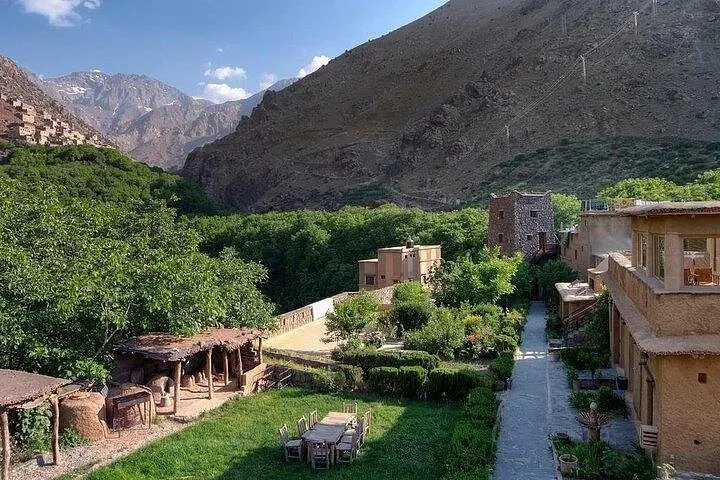
The western High Atlas is young rock thrust upward by the collision of African and Eurasian plates; you’ll notice folded schist and granite knobs that shape steep gullies and irrigated fields. Human history here is visible in terraced barley, almond orchards, and kasbah‑style stone houses—communities that have traded with Marrakech for centuries and retain Amazigh (Berber) language and hospitality.
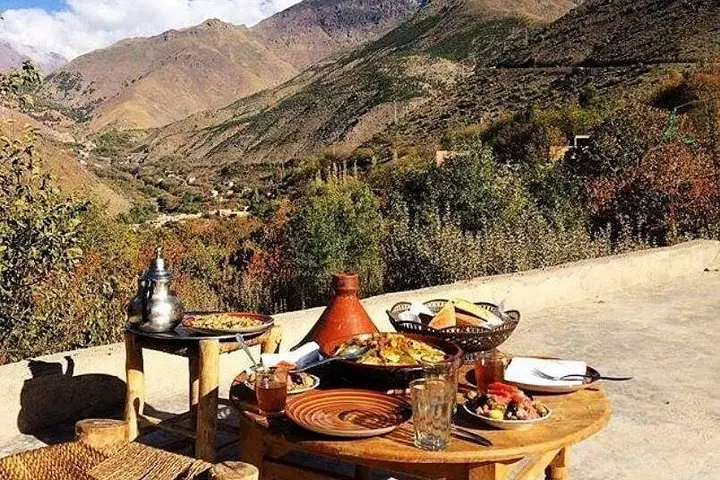
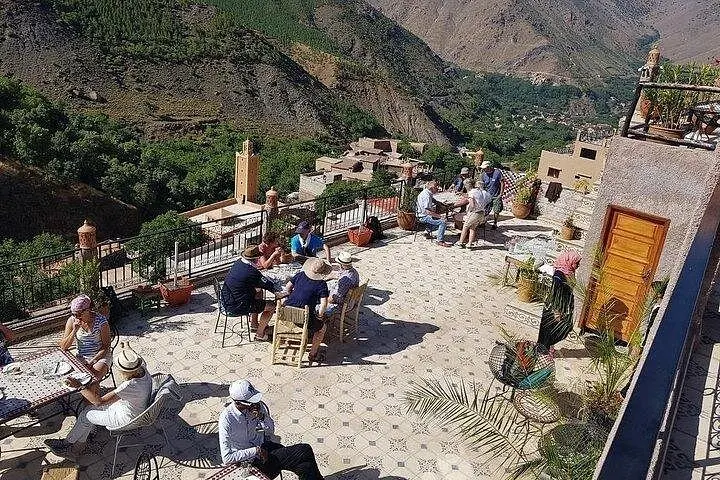
Expect a short mule ride option and a family‑served lunch in a village house—simple tagines, fresh bread, and strong tea. The walk after lunch is mostly on packed dirt and mule tracks, with intermittent views of peaks and the small farms below. Streams will pull your attention and wind will push along the ridgelines; both are part of the day’s rhythm.
Practical tips: travel light, bring a refillable water bottle, and wear ankle‑supporting shoes for uneven paths. Mornings are cool; layers are useful. There’s limited shade on some stretches, so sun protection matters. Cash for local purchases and tips keeps things smooth, and pick a morning departure to avoid afternoon traffic back to Marrakech. This itinerary is accessible to most travelers seeking an easy mountain day with cultural contact and scenic payoff.
Yes—mule rides are short and common here; handlers are experienced, but notify the operator of any mobility concerns when booking.
Yes—hosts typically provide tagines and salads and can accommodate vegetarian requests if told in advance.
The drive is about two hours each way; most operators include hotel pickup and drop‑off in Marrakech as part of the tour.
A local guide enhances the experience—navigating tracks, arranging the family lunch, and sharing cultural context; independent travel is possible but less convenient for a single‑day visit.
Marrakech Outdoor operates guided outdoor trips and adventures with an emphasis on safety, stewardship, and memorable experiences.
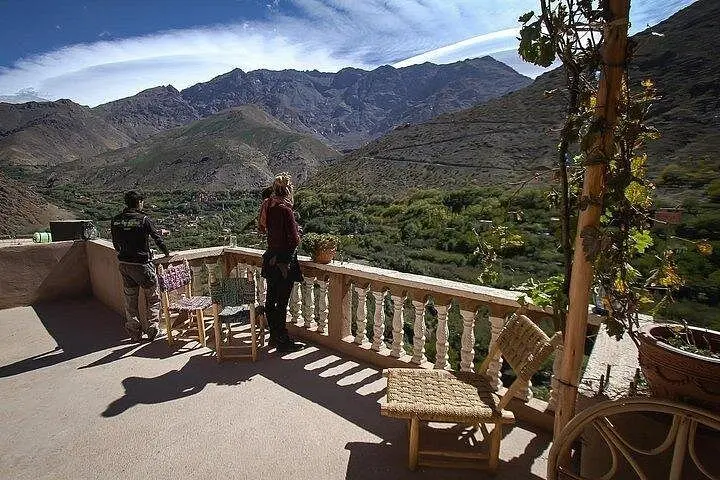
Morning light on the High Atlas hits the valley like a call to move—mules clip‑clop along stone tracks, irrigation channels chatter, and terraces step up toward the granite ridges of Toubkal. Start with a two‑hour drive from Marrakech through Moulay Brahim Gorges; the road opens into Imlil (1,740 m), where mint tea waits and local guides set a steady pace for a gentle walk among Berber villages.
Morning light on the High Atlas hits the valley like a call to move—mules clip‑clop along stone tracks, irrigation channels chatter, and terraces step up toward the granite ridges of Toubkal. Start with a two‑hour drive from Marrakech through Moulay Brahim Gorges; the road opens into Imlil (1,740 m), where mint tea waits and local guides set a steady pace for a gentle walk among Berber villages.
The western High Atlas is young rock thrust upward by the collision of African and Eurasian plates; you’ll notice folded schist and granite knobs that shape steep gullies and irrigated fields. Human history here is visible in terraced barley, almond orchards, and kasbah‑style stone houses—communities that have traded with Marrakech for centuries and retain Amazigh (Berber) language and hospitality.
Expect a short mule ride option and a family‑served lunch in a village house—simple tagines, fresh bread, and strong tea. The walk after lunch is mostly on packed dirt and mule tracks, with intermittent views of peaks and the small farms below. Streams will pull your attention and wind will push along the ridgelines; both are part of the day’s rhythm.
Practical tips: travel light, bring a refillable water bottle, and wear ankle‑supporting shoes for uneven paths. Mornings are cool; layers are useful. There’s limited shade on some stretches, so sun protection matters. Cash for local purchases and tips keeps things smooth, and pick a morning departure to avoid afternoon traffic back to Marrakech. This itinerary is accessible to most travelers seeking an easy mountain day with cultural contact and scenic payoff.