THE ADVENTURE COLLECTIVE® · Independent discovery and booking for outdoor travel

Board a short motorboat from Aswan and step into a colorful Nubian village where painted homes, local tea and open storytelling make for an intimate cultural visit. This 2–3 hour experience pairs scenic Nile travel with a guided walk through daily life and artisan handicrafts.
Board a short motorboat from Aswan and step into a colorful Nubian village where painted homes, local tea and open storytelling make for an intimate cultural visit. This 2–3 hour experience pairs scenic Nile travel with a guided walk through daily life and artisan handicrafts.
The motorboat parts the Nile like a deliberate thought and Aswan’s heat folds around you—sandstone cliffs on one side, low-lying, hand-painted houses on the other. The river dares you to slow down; the village accepts you with open hands and a cup of steaming mint tea.
Verified experiences and guided adventures in the surrounding area.
Operated by Saray El-Nile · Aswan, Aswan Governorate
The motorboat parts the Nile like a deliberate thought and Aswan’s heat folds around you—sandstone cliffs on one side, low-lying, hand-painted houses on the other. The river dares you to slow down; the village accepts you with open hands and a cup of steaming mint tea.
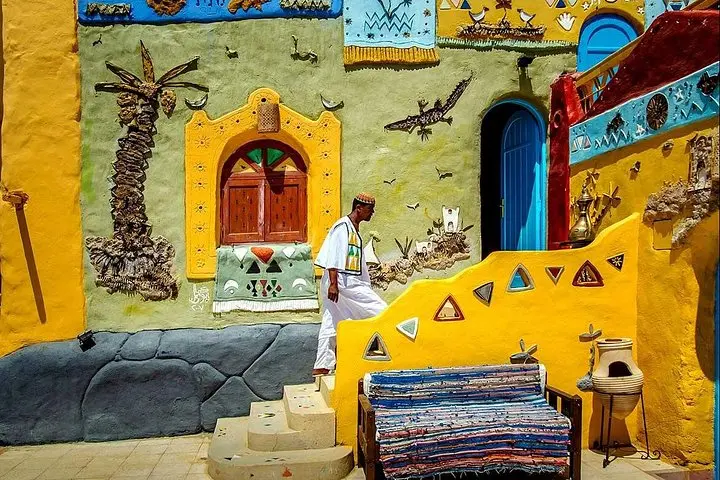
This visit moves beyond snapshot tourism to a living community. Nubians are among the region’s oldest peoples, with cultural ties that predate modern Egypt and links to the ancient Kingdom of Kush; their vibrant house painting and symbolic motifs echo local lineage and oral histories. Geologically, you’re in the granite-scarred southern Nile: islands and shallow channels shaped by seasonal flows and millennia of sediment.
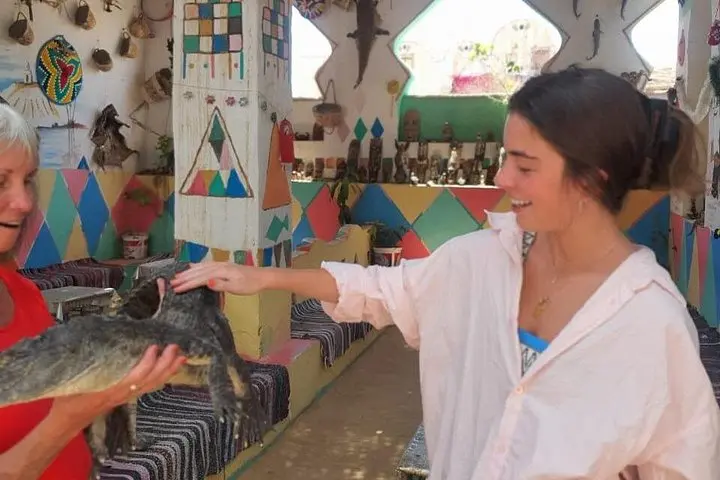
Expect a blend of sensory details—bright pigments flaking on plaster, the tang of tea, the soft clack of wooden oars—and human stories explained by a guide who translates language and meaning. Local artisans sell embroidered textiles and carved souvenirs; learning the significance of patterns is part of the exchange.
Practical notes: the trip lasts about 2–3 hours and involves short, easy walks between dock and household rooms. Temperatures can spike, so schedule morning or late-afternoon slots; bottled water is supplied but bring a reusable bottle to reduce waste. Photography is welcome but ask before shooting inside homes. Cash small bills are useful for purchases and tips; most village sellers don’t take cards.
This is an accessible, cultural shore excursion that rewards curiosity and respect—an intimate window into Nile-side life that’s equal parts scenic ride and human connection.
The experience is approximately 2–3 hours, including the motorboat transfer and time inside a Nubian family home.
Yes—this tour is described as easy and family-friendly; boat transfers and short walks are required, but no strenuous activity.
Yes; local artisans typically sell textiles, jewelry, and small carvings—bring small change and be prepared to negotiate politely.
Tours are often bookable with instant confirmation and typically include hotel or cruise pickup and drop-off; confirm details when booking.
Saray El-Nile operates guided outdoor trips and adventures with an emphasis on safety, stewardship, and memorable experiences.
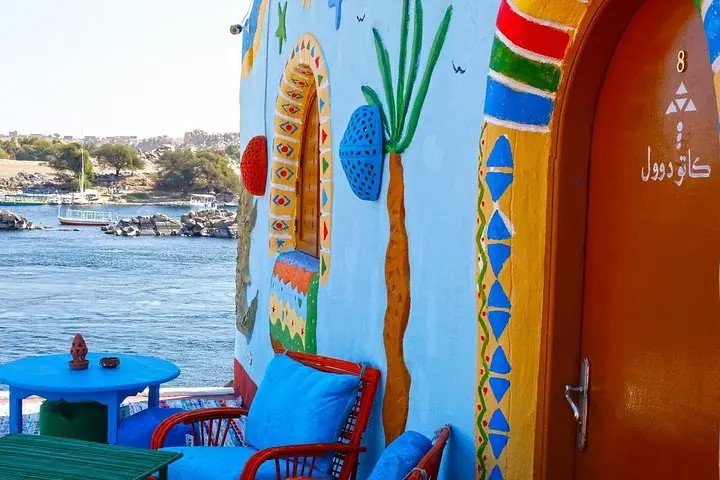

The motorboat parts the Nile like a deliberate thought and Aswan’s heat folds around you—sandstone cliffs on one side, low-lying, hand-painted houses on the other. The river dares you to slow down; the village accepts you with open hands and a cup of steaming mint tea.
The motorboat parts the Nile like a deliberate thought and Aswan’s heat folds around you—sandstone cliffs on one side, low-lying, hand-painted houses on the other. The river dares you to slow down; the village accepts you with open hands and a cup of steaming mint tea.
This visit moves beyond snapshot tourism to a living community. Nubians are among the region’s oldest peoples, with cultural ties that predate modern Egypt and links to the ancient Kingdom of Kush; their vibrant house painting and symbolic motifs echo local lineage and oral histories. Geologically, you’re in the granite-scarred southern Nile: islands and shallow channels shaped by seasonal flows and millennia of sediment.
Expect a blend of sensory details—bright pigments flaking on plaster, the tang of tea, the soft clack of wooden oars—and human stories explained by a guide who translates language and meaning. Local artisans sell embroidered textiles and carved souvenirs; learning the significance of patterns is part of the exchange.
Practical notes: the trip lasts about 2–3 hours and involves short, easy walks between dock and household rooms. Temperatures can spike, so schedule morning or late-afternoon slots; bottled water is supplied but bring a reusable bottle to reduce waste. Photography is welcome but ask before shooting inside homes. Cash small bills are useful for purchases and tips; most village sellers don’t take cards.
This is an accessible, cultural shore excursion that rewards curiosity and respect—an intimate window into Nile-side life that’s equal parts scenic ride and human connection.