THE ADVENTURE COLLECTIVE® · Independent discovery and booking for outdoor travel
Walk the birth village of HUOT Dara for a three-hour, intimate cultural exchange—start with a short meditation, meet artists and families, and learn local histories at a gentle pace. Practical tips on timing, dress, and etiquette keep the visit respectful and rewarding.
Walk the birth village of HUOT Dara for a three-hour, intimate cultural exchange—start with a short meditation, meet artists and families, and learn local histories at a gentle pace. Practical tips on timing, dress, and etiquette keep the visit respectful and rewarding.
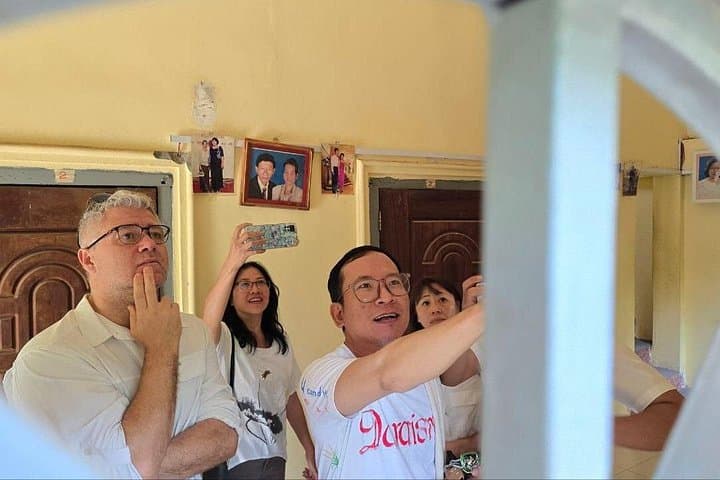
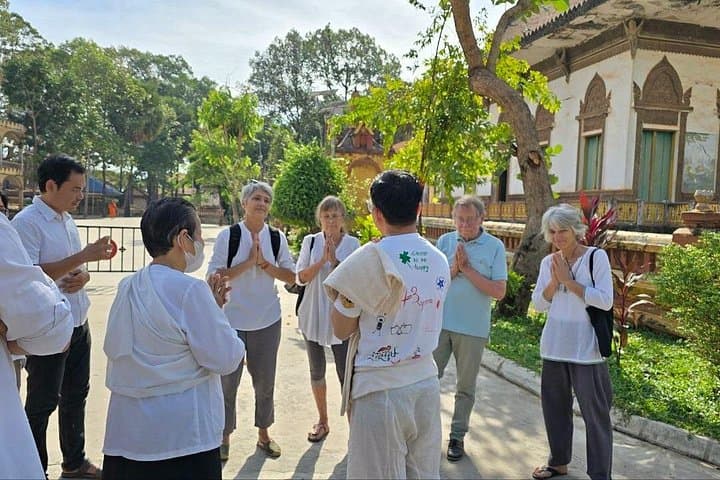
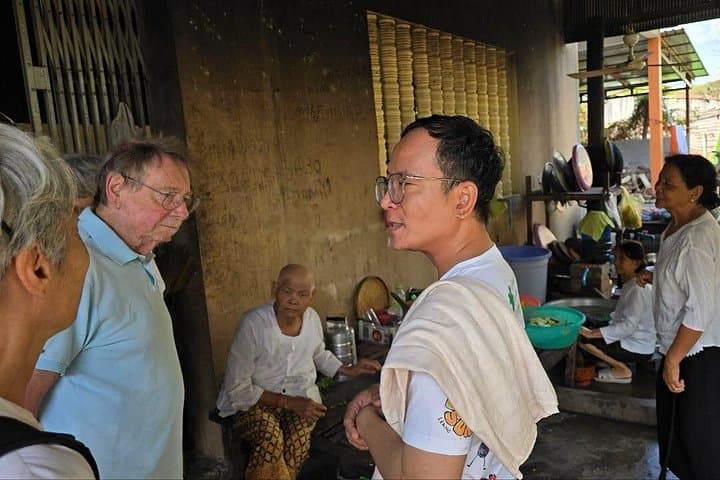
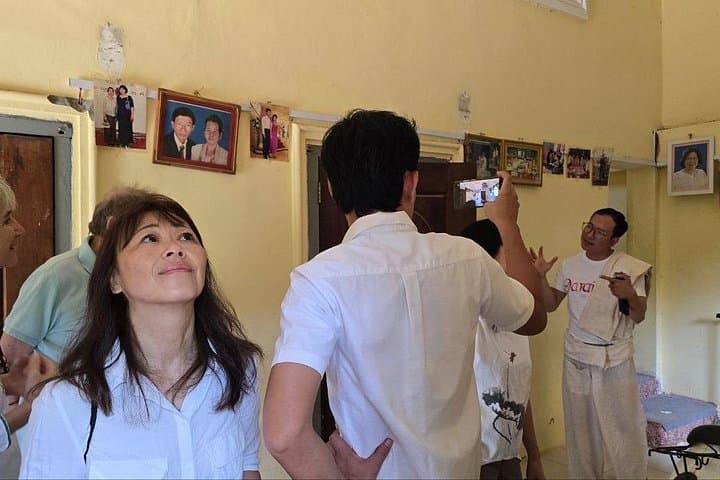
The morning settles over narrow lanes as bicycles and the occasional remork ease past wooden houses; you step off the main road and into the village where HUOT Dara was born. Rice paddies keep watch at the edge of the paths, and the pagoda’s roof punctures the sky like a local landmark announcing moments of quiet.
Verified experiences and guided adventures in the surrounding area.
Operated by Daraism&Artists · Siem Reap, Siem Reap Province
The morning settles over narrow lanes as bicycles and the occasional remork ease past wooden houses; you step off the main road and into the village where HUOT Dara was born. Rice paddies keep watch at the edge of the paths, and the pagoda’s roof punctures the sky like a local landmark announcing moments of quiet.
This three-hour walk threads personal memory with public history. Dara begins with a short meditation and an alms offering to a Buddhist monk—a practice that frames the visit as one of respect rather than spectacle. The route passes family homes, a mural painted in 1990 in the vihear, and the nearby EFEO research center, whose colonial-era archives helped preserve Angkor studies since the early 20th century. Along the way artists and villagers often join; conversations range from daily household rhythms to reflections on Cambodia’s turbulent past and its resilience.
Expect slow, deliberate pacing designed for listening and exchange. Terrain is flat village lanes and compacted dirt; puddles after rain can make some sections slippery. Practical details: modest dress for pagoda visits, lightweight shoes that can handle dust and mud, and a reusable water bottle—the host provides quality refills. Bring questions but no assumptions; photography is welcome but ask before shooting inside homes or of people.
This walk is less about ticking boxes and more about bearing witness. Plan for a morning or late-afternoon start to avoid the heat, leave space in your schedule to visit the EFEO library or linger at the mural wall, and budget a small contribution to support local hospitality. The village will accept you on its terms—walk gently, listen openly, and return with a broader sense of place.
The experience lasts about 3 hours and moves slowly with planned stops for reflection, storytelling, and visits to homes and the pagoda.
Yes—pickup is offered for hotels within about 4 km of Siem Reap city center; farther stays join at the start point listed in your booking.
Yes, the walk is suitable for all ages and fitness levels; there is minimal elevation and mostly flat ground, but participants should be able to walk short distances and stand during stops.
Photography is allowed, but always ask permission before photographing people or private interiors; be especially mindful during religious activities inside the pagoda.
Daraism&Artists operates guided outdoor trips and adventures with an emphasis on safety, stewardship, and memorable experiences.
The morning settles over narrow lanes as bicycles and the occasional remork ease past wooden houses; you step off the main road and into the village where HUOT Dara was born. Rice paddies keep watch at the edge of the paths, and the pagoda’s roof punctures the sky like a local landmark announcing moments of quiet.
The morning settles over narrow lanes as bicycles and the occasional remork ease past wooden houses; you step off the main road and into the village where HUOT Dara was born. Rice paddies keep watch at the edge of the paths, and the pagoda’s roof punctures the sky like a local landmark announcing moments of quiet.
This three-hour walk threads personal memory with public history. Dara begins with a short meditation and an alms offering to a Buddhist monk—a practice that frames the visit as one of respect rather than spectacle. The route passes family homes, a mural painted in 1990 in the vihear, and the nearby EFEO research center, whose colonial-era archives helped preserve Angkor studies since the early 20th century. Along the way artists and villagers often join; conversations range from daily household rhythms to reflections on Cambodia’s turbulent past and its resilience.
Expect slow, deliberate pacing designed for listening and exchange. Terrain is flat village lanes and compacted dirt; puddles after rain can make some sections slippery. Practical details: modest dress for pagoda visits, lightweight shoes that can handle dust and mud, and a reusable water bottle—the host provides quality refills. Bring questions but no assumptions; photography is welcome but ask before shooting inside homes or of people.
This walk is less about ticking boxes and more about bearing witness. Plan for a morning or late-afternoon start to avoid the heat, leave space in your schedule to visit the EFEO library or linger at the mural wall, and budget a small contribution to support local hospitality. The village will accept you on its terms—walk gently, listen openly, and return with a broader sense of place.
