THE ADVENTURE COLLECTIVE® · Independent discovery and booking for outdoor travel

A 10-day circuit from Marrakech through coastal Essaouira, the High Atlas, the kasbah-lined Dades Valley and the Erg Chebbi dunes of Merzouga. Expect dramatic landscapes, living Berber culture and a night under the stars in a desert camp.
A 10-day circuit from Marrakech through coastal Essaouira, the High Atlas, the kasbah-lined Dades Valley and the Erg Chebbi dunes of Merzouga. Expect dramatic landscapes, living Berber culture and a night under the stars in a desert camp.
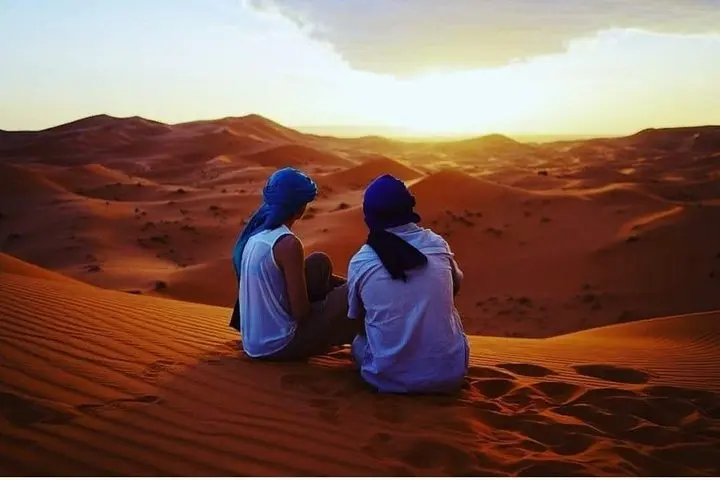
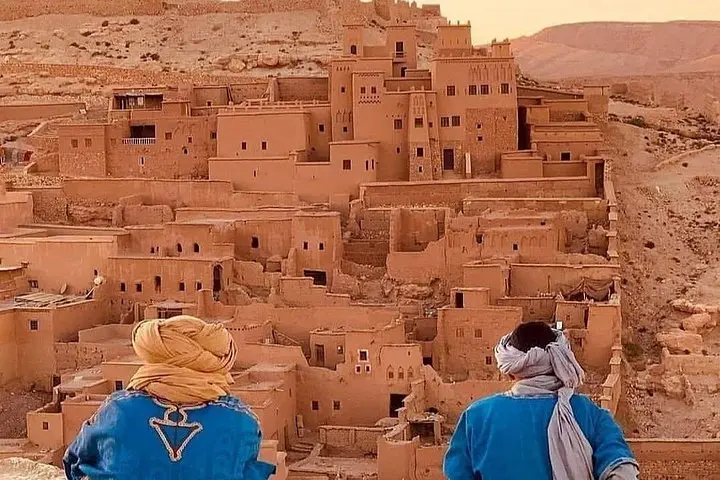
The medina exhales spice and heat as the group slips out of Marrakech at dawn, narrow alleys giving way to tarmac and the rising spine of the High Atlas. By mid-trip the world has shifted again: ochre kasbahs cluster on sun-baked foothills, and the Erg Chebbi dunes shift like living things under a lowering sun.
Verified experiences and guided adventures in the surrounding area.
Operated by Merzouga Desert · Marrakech, Marrakech-Safi
The medina exhales spice and heat as the group slips out of Marrakech at dawn, narrow alleys giving way to tarmac and the rising spine of the High Atlas. By mid-trip the world has shifted again: ochre kasbahs cluster on sun-baked foothills, and the Erg Chebbi dunes shift like living things under a lowering sun.
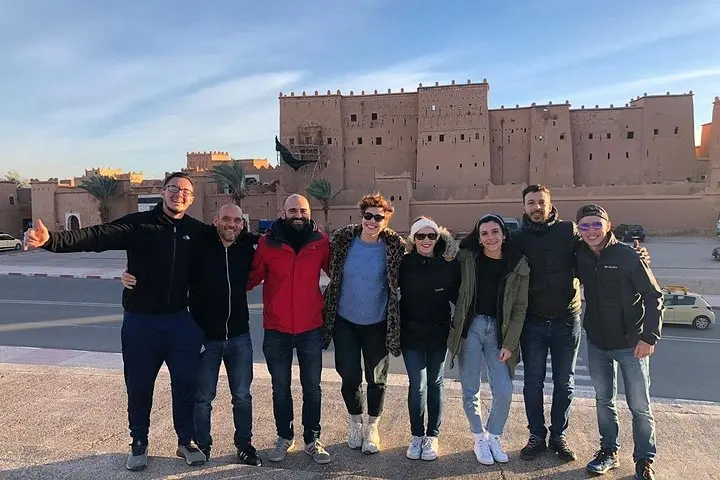
This itinerary threads Morocco’s layers—Saadian tombs and Almoravid gates in Marrakech; Portuguese ramparts in Essaouira; Roman mosaics at Volubilis; and mudbrick kasbahs along the “road of a thousand kasbahs.” Geologically, the High Atlas is young and uplifted, its folded ridgelines sending water down to carved gorges such as Todra and Dades. Culturally, the route moves through Amazigh (Berber) villages, Gnawa music gatherings and argan cooperatives that still follow traditional techniques.
Expect tactile travel: walking the tannery alleys of Fes requires good shoes; wind and sand shape the desert days and nights; camel treks offer slow, steady motion across Erg Chebbi. Photography opportunities are constant—sunrise over dunes, cliffside kasbahs, cedar forests with wild macaques.
Practical guidance: pack layers for hot days and cold desert nights, carry cash for souks, and hydrate frequently on long drives and mountain passes. Plan light luggage for the camel transfer and choose flexible footwear for cobbled medina streets. Guides generally handle logistics—riads, airport transfers, local permits—so travelers can focus on moving between landscapes rather than organizing them.
The camel trek is gentle and designed for most travelers; rides typically last 1–2 hours to reach the camp and are interspersed with walking and rest.
Yes—riads used on this route generally offer private rooms with en-suite bathrooms; confirm bed arrangements and infant needs at booking.
Visa requirements depend on nationality—many countries receive visa-free entry for short tourist stays; check your government’s travel site before booking.
Tichka Pass reaches over 2,000 m; most travelers adapt without issue but those with serious cardiopulmonary conditions should consult a doctor first.
Merzouga Desert operates guided outdoor trips and adventures with an emphasis on safety, stewardship, and memorable experiences.
The medina exhales spice and heat as the group slips out of Marrakech at dawn, narrow alleys giving way to tarmac and the rising spine of the High Atlas. By mid-trip the world has shifted again: ochre kasbahs cluster on sun-baked foothills, and the Erg Chebbi dunes shift like living things under a lowering sun.
The medina exhales spice and heat as the group slips out of Marrakech at dawn, narrow alleys giving way to tarmac and the rising spine of the High Atlas. By mid-trip the world has shifted again: ochre kasbahs cluster on sun-baked foothills, and the Erg Chebbi dunes shift like living things under a lowering sun.
This itinerary threads Morocco’s layers—Saadian tombs and Almoravid gates in Marrakech; Portuguese ramparts in Essaouira; Roman mosaics at Volubilis; and mudbrick kasbahs along the “road of a thousand kasbahs.” Geologically, the High Atlas is young and uplifted, its folded ridgelines sending water down to carved gorges such as Todra and Dades. Culturally, the route moves through Amazigh (Berber) villages, Gnawa music gatherings and argan cooperatives that still follow traditional techniques.
Expect tactile travel: walking the tannery alleys of Fes requires good shoes; wind and sand shape the desert days and nights; camel treks offer slow, steady motion across Erg Chebbi. Photography opportunities are constant—sunrise over dunes, cliffside kasbahs, cedar forests with wild macaques.
Practical guidance: pack layers for hot days and cold desert nights, carry cash for souks, and hydrate frequently on long drives and mountain passes. Plan light luggage for the camel transfer and choose flexible footwear for cobbled medina streets. Guides generally handle logistics—riads, airport transfers, local permits—so travelers can focus on moving between landscapes rather than organizing them.