THE ADVENTURE COLLECTIVE® · Independent discovery and booking for outdoor travel

Seven days from Casablanca to Marrakech take you through imperial capitals, blue Chefchaouen, Roman ruins and the Sahara’s shifting dunes. This itinerary mixes cultural immersion with desert nights and Atlas Mountain passes—ideal for travelers who want a concentrated, active introduction to Morocco.
Seven days from Casablanca to Marrakech take you through imperial capitals, blue Chefchaouen, Roman ruins and the Sahara’s shifting dunes. This itinerary mixes cultural immersion with desert nights and Atlas Mountain passes—ideal for travelers who want a concentrated, active introduction to Morocco.
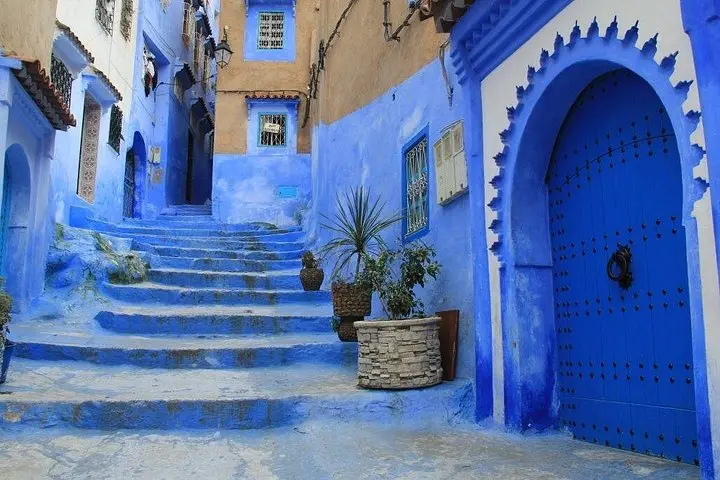
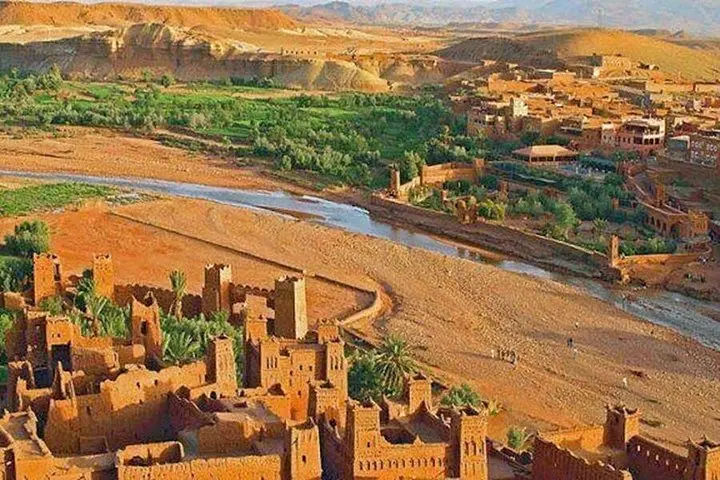
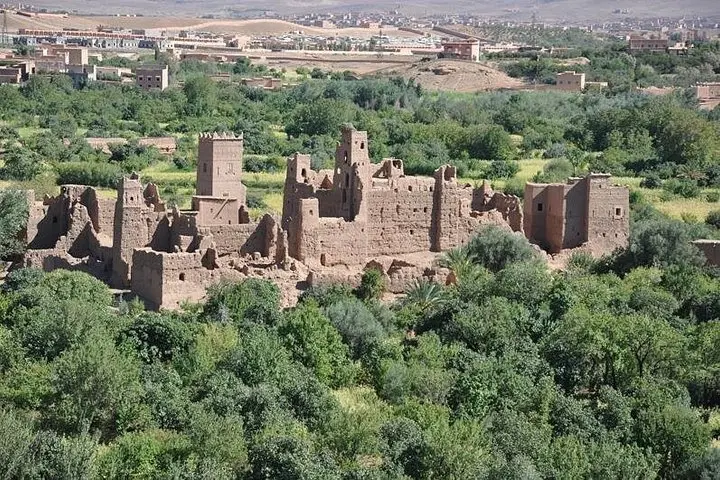
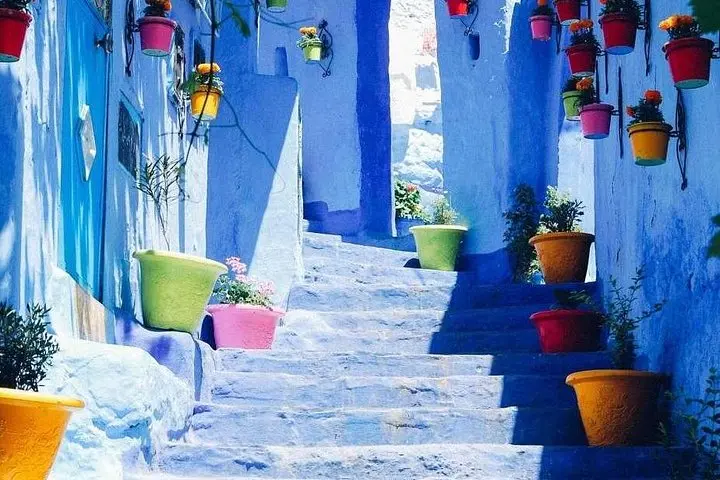
You step out of Casablanca’s morning haze and the Atlantic wind pushes you toward a different Morocco—one of blue alleys, red kasbahs and a sea of sand that swallows the horizon.
Verified experiences and guided adventures in the surrounding area.
Operated by Agadir Attractions · Casablanca, Casablanca-Settat
You step out of Casablanca’s morning haze and the Atlantic wind pushes you toward a different Morocco—one of blue alleys, red kasbahs and a sea of sand that swallows the horizon.
Across seven days you travel by air‑conditioned vehicle between imperial capitals—Rabat, Meknes, Fes—and the blue-washed lanes of Chefchaouen, before descending into the Sahara around Merzouga. Along the way Volubilis’ Roman mosaics and Ait Ben Haddou’s earthen towers tell the story of trade routes and empires. The High Atlas slices the route at Tizi n’Tichka; its folded limestone and volcanic outcrops frame dramatic passes where Berber villages cling to terraces.
Culturally, expect lively medinas, artisanal pottery in Fes, and Berber hospitality in mountain and desert communities. In the Sahara, dunes shift with the wind—Erg Chebbi’s ridges offer soft sand that tests boots but rewards sunrise silhouettes and a night under a vast, cold sky.
Practical guidance: the tour runs approximately seven days with daily drives and walking in medinas and gorges. Terrain varies from paved roads to packed sand and rocky trails in Todra Gorge; basic mobility is sufficient but be ready for uneven ground. Pack layers for hot days and chilly desert nights, sun protection for exposed stretches, and comfortable walking shoes for narrow medina alleys. Bring cash for small purchases and tipping; local guides and riads prefer Moroccan dirham. Timings favor mornings and late afternoons for photography and cooler exploration. Hydrate steadily—the combination of travel, sun and altitude in the High Atlas can sneak up on you. Respect private and religious spaces in towns, and let local guides shape cultural interactions for the most authentic and responsible experience.
Expect several hours of driving on most days between cities and sites, broken up with guided stops; the tour balances transit with multiple full‑day explorations.
Accommodation varies from desert bivouac tents to riads and hotels; bivouac tents are basic but include bedding—bring a warm layer for cool nights.
The operator lists wheelchair‑accessible transportation and surfaces, but access within historic medinas and some sites is limited; check specific needs with the provider before booking.
Carry small denominations of Moroccan dirham for markets and tips; tipping guides, drivers and riad staff is customary and appreciated.
Agadir Attractions operates guided outdoor trips and adventures with an emphasis on safety, stewardship, and memorable experiences.
You step out of Casablanca’s morning haze and the Atlantic wind pushes you toward a different Morocco—one of blue alleys, red kasbahs and a sea of sand that swallows the horizon.
You step out of Casablanca’s morning haze and the Atlantic wind pushes you toward a different Morocco—one of blue alleys, red kasbahs and a sea of sand that swallows the horizon.
Across seven days you travel by air‑conditioned vehicle between imperial capitals—Rabat, Meknes, Fes—and the blue-washed lanes of Chefchaouen, before descending into the Sahara around Merzouga. Along the way Volubilis’ Roman mosaics and Ait Ben Haddou’s earthen towers tell the story of trade routes and empires. The High Atlas slices the route at Tizi n’Tichka; its folded limestone and volcanic outcrops frame dramatic passes where Berber villages cling to terraces.
Culturally, expect lively medinas, artisanal pottery in Fes, and Berber hospitality in mountain and desert communities. In the Sahara, dunes shift with the wind—Erg Chebbi’s ridges offer soft sand that tests boots but rewards sunrise silhouettes and a night under a vast, cold sky.
Practical guidance: the tour runs approximately seven days with daily drives and walking in medinas and gorges. Terrain varies from paved roads to packed sand and rocky trails in Todra Gorge; basic mobility is sufficient but be ready for uneven ground. Pack layers for hot days and chilly desert nights, sun protection for exposed stretches, and comfortable walking shoes for narrow medina alleys. Bring cash for small purchases and tipping; local guides and riads prefer Moroccan dirham. Timings favor mornings and late afternoons for photography and cooler exploration. Hydrate steadily—the combination of travel, sun and altitude in the High Atlas can sneak up on you. Respect private and religious spaces in towns, and let local guides shape cultural interactions for the most authentic and responsible experience.