THE ADVENTURE COLLECTIVE® · Independent discovery and booking for outdoor travel

Begin in Casablanca and follow ancient caravan routes through Rabat, Fes and Marrakech, cross the High Atlas, and spend a night under the stars in the Erg Chebbi dunes. This 10-day private tour blends city medinas, Roman ruins and desert adventure with local guides and private transfers.
Begin in Casablanca and follow ancient caravan routes through Rabat, Fes and Marrakech, cross the High Atlas, and spend a night under the stars in the Erg Chebbi dunes. This 10-day private tour blends city medinas, Roman ruins and desert adventure with local guides and private transfers.
Morning light hits Casablanca’s Atlantic promenade and the Hassan II minaret points like a ship’s mast toward the sea. From that first salt-tinged hour the tour threads ancient trade routes — city walls giving way to cedar forests, olive orchards, and finally dunes that shift under camel feet. Travelers move through populated medinas where alleys funnel smells of spices and frying oil, then into open country where light carves the Atlas peaks into hard, film-ready angles.
Verified experiences and guided adventures in the surrounding area.
Operated by Berrada travel · Casablanca, Casablanca-Settat
Morning light hits Casablanca’s Atlantic promenade and the Hassan II minaret points like a ship’s mast toward the sea. From that first salt-tinged hour the tour threads ancient trade routes — city walls giving way to cedar forests, olive orchards, and finally dunes that shift under camel feet. Travelers move through populated medinas where alleys funnel smells of spices and frying oil, then into open country where light carves the Atlas peaks into hard, film-ready angles.
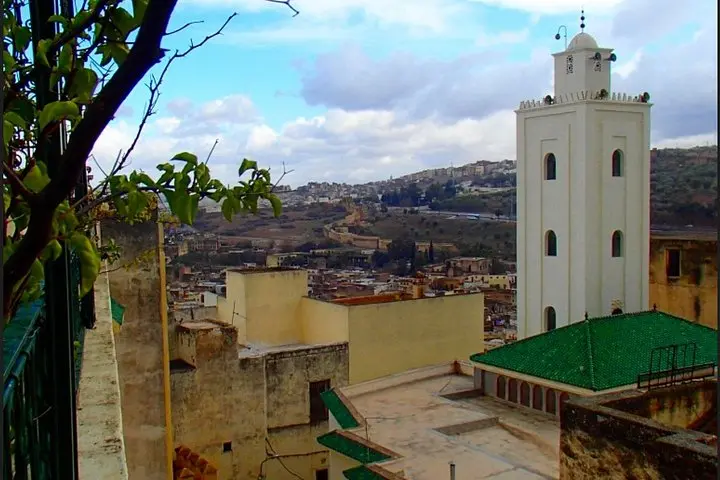
Rabat, Fes and Marrakech were capitals of successive Moroccan dynasties; their mosques, tombs and palaces record centuries of imperial administration and artisan craft. Volubilis preserves Roman mosaics on a gentle plain; the High Atlas is limestone and schist folded by tectonics; Erg Chebbi’s dunes are wind-made, mobile and mercilessly beautiful. Along the way local Berber communities maintain craft traditions — pottery, carpet-weaving and rose distillation — that add human texture to the landscape.
Practical essentials: pack breathable layers for big daytime temperature swings and closed shoes for medina stones and desert sand. Expect long drives broken by short hikes and photo stops; bring cash in small bills for markets, tips and remote purchases. The camel crossing to the desert camp is moderate in effort but requires basic balance; camps provide simple comforts and a music-led evening under clear skies. Schedule travel earlier in spring or autumn for cooler mountain passes; summer can be very hot in the south. Finally, travel with cultural respect — cover shoulders in religious sites and ask before photographing people. This private, guided route balances immersive city walks with open-country moments, offering both logistical ease and a close look at Morocco’s layered history and landscapes.
Yes — this is a private tour with private driver transfers and a local guide as described; airport pickup from Casablanca is included the first day.
Most breakfasts and many dinners are included (per itinerary); lunches are often on your own to allow flexibility for local dining.
The program includes a camel ride to a desert camp with an overnight in a comfortable tent and a sunrise return to Merzouga.
Visa requirements depend on nationality — many travelers enter visa-free for short stays, but verify current rules with your nearest Moroccan consulate before travel.
Berrada travel operates guided outdoor trips and adventures with an emphasis on safety, stewardship, and memorable experiences.
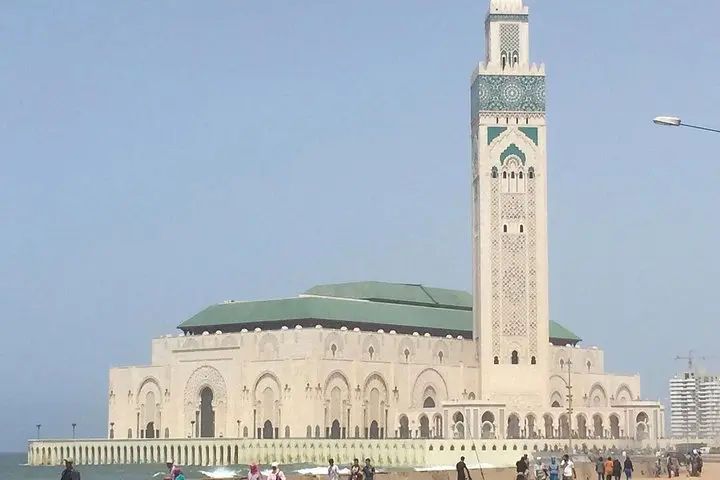
Morning light hits Casablanca’s Atlantic promenade and the Hassan II minaret points like a ship’s mast toward the sea. From that first salt-tinged hour the tour threads ancient trade routes — city walls giving way to cedar forests, olive orchards, and finally dunes that shift under camel feet. Travelers move through populated medinas where alleys funnel smells of spices and frying oil, then into open country where light carves the Atlas peaks into hard, film-ready angles.
Morning light hits Casablanca’s Atlantic promenade and the Hassan II minaret points like a ship’s mast toward the sea. From that first salt-tinged hour the tour threads ancient trade routes — city walls giving way to cedar forests, olive orchards, and finally dunes that shift under camel feet. Travelers move through populated medinas where alleys funnel smells of spices and frying oil, then into open country where light carves the Atlas peaks into hard, film-ready angles.
Rabat, Fes and Marrakech were capitals of successive Moroccan dynasties; their mosques, tombs and palaces record centuries of imperial administration and artisan craft. Volubilis preserves Roman mosaics on a gentle plain; the High Atlas is limestone and schist folded by tectonics; Erg Chebbi’s dunes are wind-made, mobile and mercilessly beautiful. Along the way local Berber communities maintain craft traditions — pottery, carpet-weaving and rose distillation — that add human texture to the landscape.
Practical essentials: pack breathable layers for big daytime temperature swings and closed shoes for medina stones and desert sand. Expect long drives broken by short hikes and photo stops; bring cash in small bills for markets, tips and remote purchases. The camel crossing to the desert camp is moderate in effort but requires basic balance; camps provide simple comforts and a music-led evening under clear skies. Schedule travel earlier in spring or autumn for cooler mountain passes; summer can be very hot in the south. Finally, travel with cultural respect — cover shoulders in religious sites and ask before photographing people. This private, guided route balances immersive city walks with open-country moments, offering both logistical ease and a close look at Morocco’s layered history and landscapes.