THE ADVENTURE COLLECTIVE® · Independent discovery and booking for outdoor travel

Move through Morocco’s imperial cities on a private four-day route linking Marrakech, Rabat, Casablanca and Fès. Expect medina walking, historic monuments, coastal views and practical local insights for planning on-the-ground travel.
Move through Morocco’s imperial cities on a private four-day route linking Marrakech, Rabat, Casablanca and Fès. Expect medina walking, historic monuments, coastal views and practical local insights for planning on-the-ground travel.
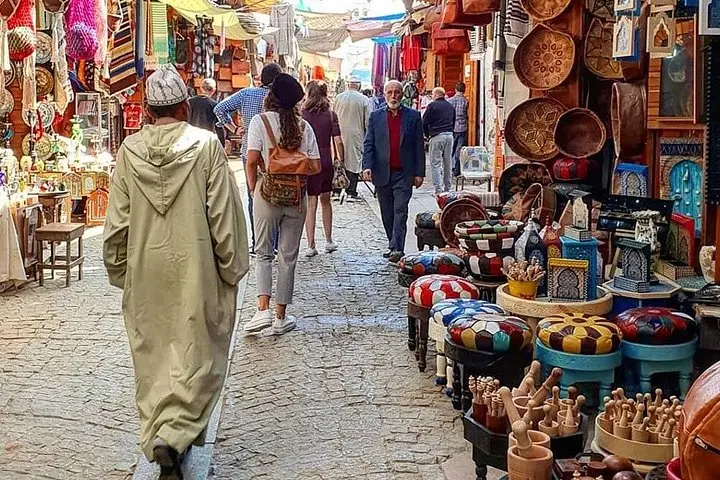
The air in Marrakech shifts between spice-market heat and sudden shade as you step from a tile-paved riad courtyard into the clamor of the medina. Lanterns clink, merchants call, and the Koutoubia minaret keeps a watchful profile against the Atlas foothills—this is the opening scene of a four-day circuit that pushes through Morocco’s imperial spine: Marrakech, Rabat, Casablanca and Fès.
Verified experiences and guided adventures in the surrounding area.
Operated by Marrakech Sweet Travel · Marrakech, Marrakech-Safi
The air in Marrakech shifts between spice-market heat and sudden shade as you step from a tile-paved riad courtyard into the clamor of the medina. Lanterns clink, merchants call, and the Koutoubia minaret keeps a watchful profile against the Atlas foothills—this is the opening scene of a four-day circuit that pushes through Morocco’s imperial spine: Marrakech, Rabat, Casablanca and Fès.
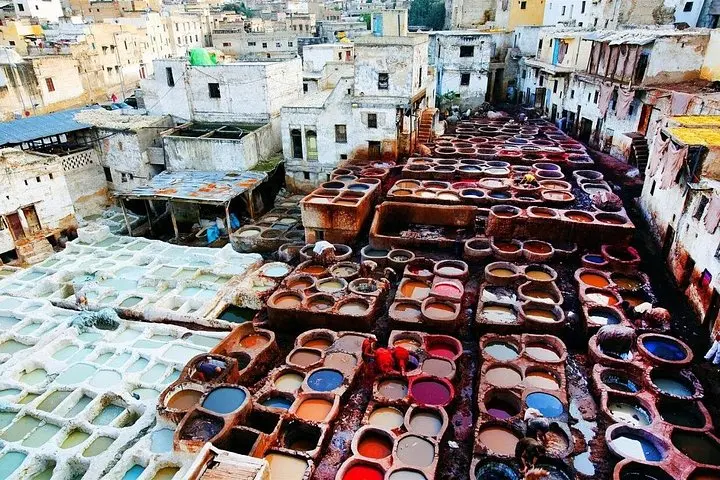
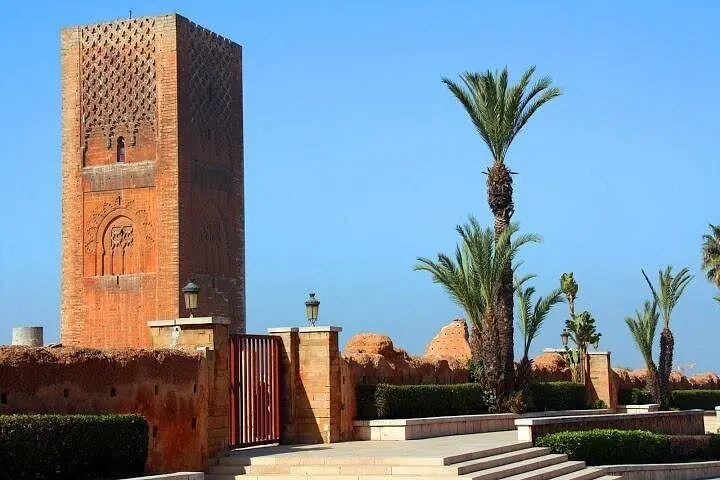
These cities trace Morocco’s layered history: Marrakech’s Almohad foundations and 19th-century Bahia Palace; Rabat’s 12th-century Hassan Tower and royal necropolis; Casablanca’s French-colonial boulevards; and Fès, whose medina preserves medieval craft traditions and the medieval university precincts. Geologically, the route skirts Atlantic plains and the low Atlas escarpment; culturally it pivots between bustling souks, mosque exteriors, and narrow leather-working alleys.
Expect half-day walking tours and longer road transfers—three hours between Marrakech and Casablanca, and a full day in Fès to explore medersas and tanneries. Surfaces range from uneven cobbles in medinas to smooth coastal promenades. Guides typically include riad recommendations, local dining advice, and arranged hotel pickups.
Practical planning: pack comfortable, closed-toe walking shoes for cobbles, a light layer for daytime-to-evening temperature swings, sunscreen and a refillable water bottle to manage Morocco’s dry climate. Carry cash for small purchases in souks and modest, respectful clothing for mosque exteriors. Allow downtime between drives to absorb markets rather than rush them—these cities reward slow, observant travel.
Pickup and drop-off from most hotels are typically included; confirm arrival time and flight details when booking.
Some key entrances (e.g., Bahia Palace, Medersa) are listed in the trip inclusions, but check the itinerary for specifics and any optional fees.
Infants must sit on laps and specialized infant seats are available; the tour is generally suitable for children but involves long drives and active walking.
Private guides commonly speak English and French; confirm language needs during booking to ensure a compatible guide.
Marrakech Sweet Travel operates guided outdoor trips and adventures with an emphasis on safety, stewardship, and memorable experiences.
The air in Marrakech shifts between spice-market heat and sudden shade as you step from a tile-paved riad courtyard into the clamor of the medina. Lanterns clink, merchants call, and the Koutoubia minaret keeps a watchful profile against the Atlas foothills—this is the opening scene of a four-day circuit that pushes through Morocco’s imperial spine: Marrakech, Rabat, Casablanca and Fès.
The air in Marrakech shifts between spice-market heat and sudden shade as you step from a tile-paved riad courtyard into the clamor of the medina. Lanterns clink, merchants call, and the Koutoubia minaret keeps a watchful profile against the Atlas foothills—this is the opening scene of a four-day circuit that pushes through Morocco’s imperial spine: Marrakech, Rabat, Casablanca and Fès.
These cities trace Morocco’s layered history: Marrakech’s Almohad foundations and 19th-century Bahia Palace; Rabat’s 12th-century Hassan Tower and royal necropolis; Casablanca’s French-colonial boulevards; and Fès, whose medina preserves medieval craft traditions and the medieval university precincts. Geologically, the route skirts Atlantic plains and the low Atlas escarpment; culturally it pivots between bustling souks, mosque exteriors, and narrow leather-working alleys.
Expect half-day walking tours and longer road transfers—three hours between Marrakech and Casablanca, and a full day in Fès to explore medersas and tanneries. Surfaces range from uneven cobbles in medinas to smooth coastal promenades. Guides typically include riad recommendations, local dining advice, and arranged hotel pickups.
Practical planning: pack comfortable, closed-toe walking shoes for cobbles, a light layer for daytime-to-evening temperature swings, sunscreen and a refillable water bottle to manage Morocco’s dry climate. Carry cash for small purchases in souks and modest, respectful clothing for mosque exteriors. Allow downtime between drives to absorb markets rather than rush them—these cities reward slow, observant travel.