THE ADVENTURE COLLECTIVE® · Independent discovery and booking for outdoor travel

A private 10-day circuit from Casablanca that links Atlantic coast cities, Roman ruins, High Atlas passes and the Erg Chebbi dunes. Expect long drives, dramatic landscapes, authentic medinas, a camel ride and a night in a desert camp.
A private 10-day circuit from Casablanca that links Atlantic coast cities, Roman ruins, High Atlas passes and the Erg Chebbi dunes. Expect long drives, dramatic landscapes, authentic medinas, a camel ride and a night in a desert camp.
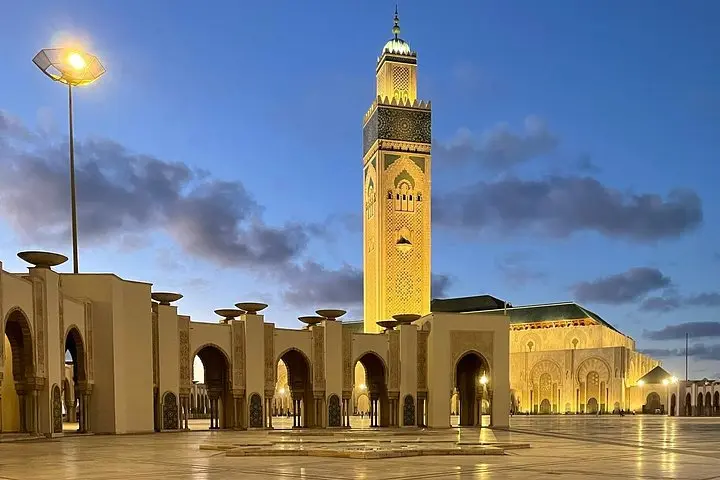
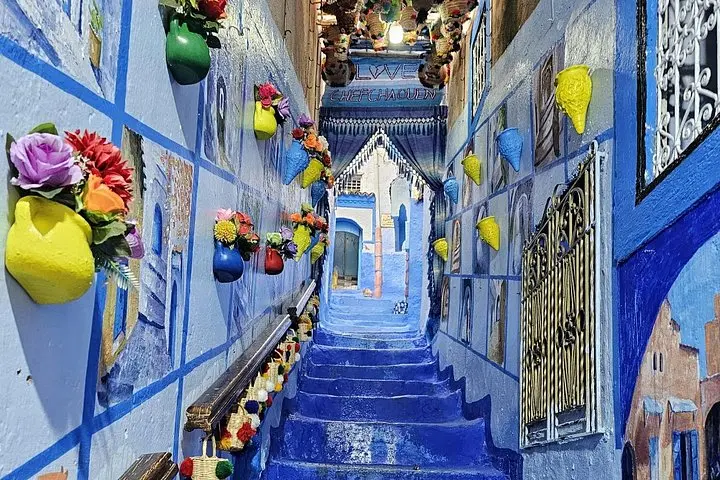
You step out of Mohammed V International Airport into Atlantic air, then the Hassan II Mosque rises along the coast—stone and tile meeting sea spray. Over the next ten days the road carries you north into the blue-washed alleys of Chefchaouen, through cedar forests where monkeys watch the road, and south across the High Atlas where switchbacks climb toward granite peaks. At the horizon the Erg Chebbi dunes appear, wind-sculpted and daring you to follow their ridges by camel or on foot.
Verified experiences and guided adventures in the surrounding area.
Operated by Morocco Desert Trips · Casablanca, Casablanca-Settat
You step out of Mohammed V International Airport into Atlantic air, then the Hassan II Mosque rises along the coast—stone and tile meeting sea spray. Over the next ten days the road carries you north into the blue-washed alleys of Chefchaouen, through cedar forests where monkeys watch the road, and south across the High Atlas where switchbacks climb toward granite peaks. At the horizon the Erg Chebbi dunes appear, wind-sculpted and daring you to follow their ridges by camel or on foot.
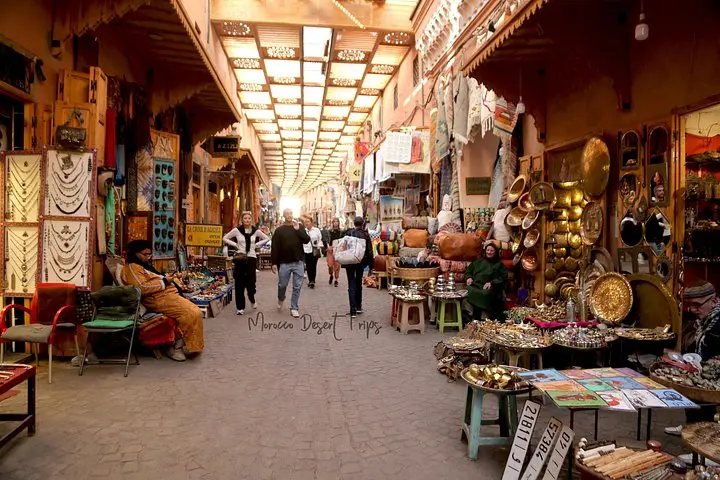
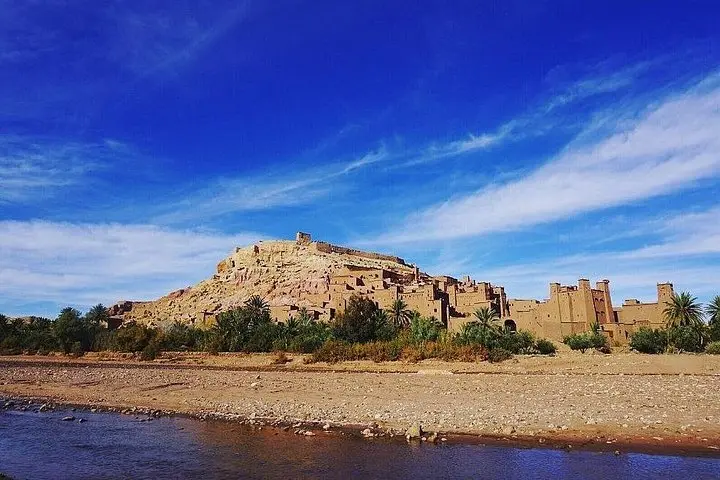
This route threads Roman Volubilis’ mosaics, the medieval medinas of Fes and Marrakech, and the earthen kasbahs like Aït Benhaddou—caravan outposts that later became film locations. Geologically the Atlas formed from tectonic collision, lifting limestone and creating river-cut gorges such as Todra; the Sahara’s sands were pushed north by long-term wind patterns to form towering dunes. Culturally, Berber communities, Andalusian-influenced medina crafts, and coastal Essaouira’s argan cooperatives shape the trip’s human landscape.
Practically: expect long driving days (multiple 4–6 hour legs), a range of elevations (Ifrane ~1,665 m; Jbel Mgoun >4,000 m), and big temperature swings—hot deserts by day, cool mountain nights. Pack layered clothing, sun protection, sturdy walking shoes for cobbled medinas and rocky gorges, and a small daypack for camera, water, and local purchases. Bring cash for small markets and be ready to move at a relaxed Moroccan pace: plan for photo stops, market browsing, and an overnight under the desert sky.
Expect multiple long transfers—many days include 4–6 hour drives between major stops; drivers make regular stops for photos and breaks.
The tour includes a luxury desert camp with mattresses and linens; nights are basic but comfortable, with notable temperature drops after sunset.
The itinerary lists breakfasts daily and some dinners; accommodations range from riads and hotels to a luxury desert camp—confirm specifics with the operator.
Visa and health requirements depend on nationality—check Morocco’s entry rules and routine vaccinations; carry travel insurance for medical coverage.
Morocco Desert Trips operates guided outdoor trips and adventures with an emphasis on safety, stewardship, and memorable experiences.
You step out of Mohammed V International Airport into Atlantic air, then the Hassan II Mosque rises along the coast—stone and tile meeting sea spray. Over the next ten days the road carries you north into the blue-washed alleys of Chefchaouen, through cedar forests where monkeys watch the road, and south across the High Atlas where switchbacks climb toward granite peaks. At the horizon the Erg Chebbi dunes appear, wind-sculpted and daring you to follow their ridges by camel or on foot.
You step out of Mohammed V International Airport into Atlantic air, then the Hassan II Mosque rises along the coast—stone and tile meeting sea spray. Over the next ten days the road carries you north into the blue-washed alleys of Chefchaouen, through cedar forests where monkeys watch the road, and south across the High Atlas where switchbacks climb toward granite peaks. At the horizon the Erg Chebbi dunes appear, wind-sculpted and daring you to follow their ridges by camel or on foot.
This route threads Roman Volubilis’ mosaics, the medieval medinas of Fes and Marrakech, and the earthen kasbahs like Aït Benhaddou—caravan outposts that later became film locations. Geologically the Atlas formed from tectonic collision, lifting limestone and creating river-cut gorges such as Todra; the Sahara’s sands were pushed north by long-term wind patterns to form towering dunes. Culturally, Berber communities, Andalusian-influenced medina crafts, and coastal Essaouira’s argan cooperatives shape the trip’s human landscape.
Practically: expect long driving days (multiple 4–6 hour legs), a range of elevations (Ifrane ~1,665 m; Jbel Mgoun >4,000 m), and big temperature swings—hot deserts by day, cool mountain nights. Pack layered clothing, sun protection, sturdy walking shoes for cobbled medinas and rocky gorges, and a small daypack for camera, water, and local purchases. Bring cash for small markets and be ready to move at a relaxed Moroccan pace: plan for photo stops, market browsing, and an overnight under the desert sky.