THE ADVENTURE COLLECTIVE® · Independent discovery and booking for outdoor travel

A six-day loop from Casablanca through Morocco’s imperial cities to the Sahara, combining UNESCO sites, mountain passes and an overnight in Erg Chebbi. Expect long scenic drives, medina walking, a camel ride at sunset and a desert camp under the stars.
A six-day loop from Casablanca through Morocco’s imperial cities to the Sahara, combining UNESCO sites, mountain passes and an overnight in Erg Chebbi. Expect long scenic drives, medina walking, a camel ride at sunset and a desert camp under the stars.
You step from Casablanca’s cool Atlantic air into a sunlit highway that unspools across plains, cedar forests and finally a horizon of ochre dunes. Between centuries-old medinas and the wind-sculpted ridges of Erg Chebbi, the route moves at a steady, cinematic pace: mosques and kasbahs give way to a campsite where the desert insists you slow down.
Verified experiences and guided adventures in the surrounding area.
Operated by Chez Ali Marrakech · Casablanca, Casablanca-Settat
You step from Casablanca’s cool Atlantic air into a sunlit highway that unspools across plains, cedar forests and finally a horizon of ochre dunes. Between centuries-old medinas and the wind-sculpted ridges of Erg Chebbi, the route moves at a steady, cinematic pace: mosques and kasbahs give way to a campsite where the desert insists you slow down.
The road traces Morocco’s layered history—Roman outposts around Meknes, the scholarly alleys of Fes, and the fortified kasbahs that controlled trans-Saharan trade. Geology writes its own chapters: the High Atlas keeps winter snow above 2,000 m while the eastern dunes form from wind-driven Saharan sands. Culture is tactile here—craftspeople in Fes, Berber hospitality at a desert bivouac, and Aït Ben Haddou’s mud-brick silhouette that guarded caravan routes.
Expect a mix of walking through medina lanes, long scenic drives, short hikes near gorges and a camel trek to a desert camp for sunset. Evenings vary from riad courtyards in Fes to drum circles beneath a clear desert sky. Practicalities: pack layers for chilly desert nights and warm days, carry a reusable water bottle, and plan for dusty streets and uneven surfaces in medinas.
Timing matters—sunrise in the dunes is the payoff, and weekday visits ease crowding at Aït Ben Haddou. This itinerary balances cultural immersion with light adventure: you’ll travel comfortably by air-conditioned vehicle, sleep in riads and camp, and return with a sense of Morocco’s shifting landscapes and long human stories.
Visa requirements depend on your nationality—check Moroccan embassy guidance well before travel and ensure passport validity as requested in booking questions.
Camel rides are short (sunset/sunrise) and largely seated; desert nights can be cold and sleeping is often in a traditional tent with basic facilities.
The itinerary lists five breakfasts and five dinners plus accommodations in riads and a desert camp—confirm any dietary needs at booking.
The operator lists wheelchair-accessible transport and surfaces, but some medina areas and desert camps have uneven terrain—discuss specifics with the provider before booking.
Chez Ali Marrakech operates guided outdoor trips and adventures with an emphasis on safety, stewardship, and memorable experiences.


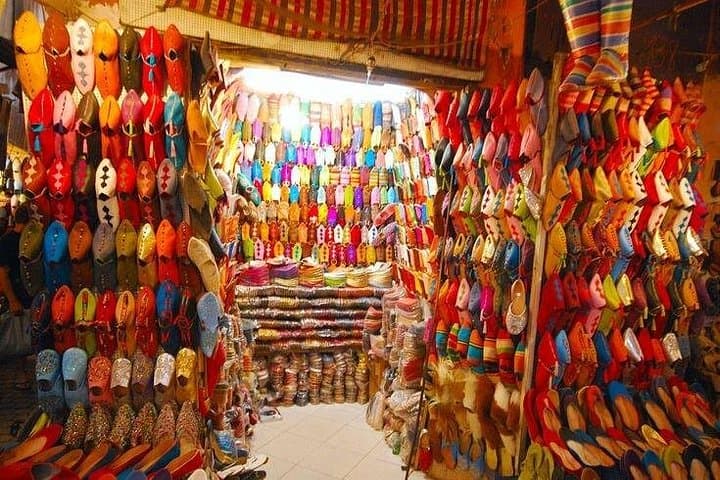
You step from Casablanca’s cool Atlantic air into a sunlit highway that unspools across plains, cedar forests and finally a horizon of ochre dunes. Between centuries-old medinas and the wind-sculpted ridges of Erg Chebbi, the route moves at a steady, cinematic pace: mosques and kasbahs give way to a campsite where the desert insists you slow down.
You step from Casablanca’s cool Atlantic air into a sunlit highway that unspools across plains, cedar forests and finally a horizon of ochre dunes. Between centuries-old medinas and the wind-sculpted ridges of Erg Chebbi, the route moves at a steady, cinematic pace: mosques and kasbahs give way to a campsite where the desert insists you slow down.
The road traces Morocco’s layered history—Roman outposts around Meknes, the scholarly alleys of Fes, and the fortified kasbahs that controlled trans-Saharan trade. Geology writes its own chapters: the High Atlas keeps winter snow above 2,000 m while the eastern dunes form from wind-driven Saharan sands. Culture is tactile here—craftspeople in Fes, Berber hospitality at a desert bivouac, and Aït Ben Haddou’s mud-brick silhouette that guarded caravan routes.
Expect a mix of walking through medina lanes, long scenic drives, short hikes near gorges and a camel trek to a desert camp for sunset. Evenings vary from riad courtyards in Fes to drum circles beneath a clear desert sky. Practicalities: pack layers for chilly desert nights and warm days, carry a reusable water bottle, and plan for dusty streets and uneven surfaces in medinas.
Timing matters—sunrise in the dunes is the payoff, and weekday visits ease crowding at Aït Ben Haddou. This itinerary balances cultural immersion with light adventure: you’ll travel comfortably by air-conditioned vehicle, sleep in riads and camp, and return with a sense of Morocco’s shifting landscapes and long human stories.