THE ADVENTURE COLLECTIVE® · Independent discovery and booking for outdoor travel

A multi-day loop that takes you from Casablanca’s modern waterfront to Rabat’s royal esplanades, the Roman mosaics of Volubilis and the labyrinthine medina of Fez—history, craft and compact travel across Morocco’s imperial centers.
A multi-day loop that takes you from Casablanca’s modern waterfront to Rabat’s royal esplanades, the Roman mosaics of Volubilis and the labyrinthine medina of Fez—history, craft and compact travel across Morocco’s imperial centers.
You step off the coach onto Casablanca’s wide boulevards and the city exhales into the Mediterranean breeze — the start line for a journey through Morocco’s political and cultural spine. Over the next days the tour threads between the white-washed esplanades of Rabat, the ochre stones of Volubilis’ Roman pavements and the rabbit-warren alleys of Fes, where the city seems to push back with noise, color and scent.
Verified experiences and guided adventures in the surrounding area.
Operated by STE Easy Transfers · Casablanca, Casablanca-Settat
You step off the coach onto Casablanca’s wide boulevards and the city exhales into the Mediterranean breeze — the start line for a journey through Morocco’s political and cultural spine. Over the next days the tour threads between the white-washed esplanades of Rabat, the ochre stones of Volubilis’ Roman pavements and the rabbit-warren alleys of Fes, where the city seems to push back with noise, color and scent.
Rabat’s Hassan Tower and the Mohammed V Mausoleum frame centuries of dynastic history; the ruins of Volubilis lay bare the Roman grid and decades of geological uplift that shaped fertile plains north of the Atlas; Fez keeps the medieval craft traditions alive in its medina, where tanneries and dye pits mark an age-old economy.
Culturally the route is compact: royal architecture, Roman mosaics and living medieval quarters. Local guides point out architectural details, explain kasbah defensive logic and translate the barter rhythm of souks. Expect guided walking in narrow streets, short drives between sites, and morning breakfasts at 4-star hotels that anchor each overnight.
Practicalities are straightforward: bring sturdy walking shoes for uneven cobbles, sun protection for long courtyard exposures and a daypack for water and purchases. Most visits are accessible to travelers of all fitness levels but the medina requires nimble footing and patience amid crowds. Plan for layered clothes—coastal mornings can be cool, inland afternoons warm—and keep small bills for markets. The tour is a concentrated primer on Morocco’s imperial history, suited to travelers who want history, hands-on culture and efficient logistics across four active days.
Pickup and transport between sites are included; pickup details are arranged at booking—confirm your hotel or arrival plan with the operator.
The tour lists fees and taxes among inclusions, but confirm which specific museum or site admissions are covered when you book.
Expect guided walking in medinas and at archaeological sites totaling 2–4 hours most days, with periods of standing and stair use.
Professional local guides lead the tour; groups are shared up to about 15 travelers—guides commonly speak English and French, but confirm language availability on booking.
STE Easy Transfers operates guided outdoor trips and adventures with an emphasis on safety, stewardship, and memorable experiences.

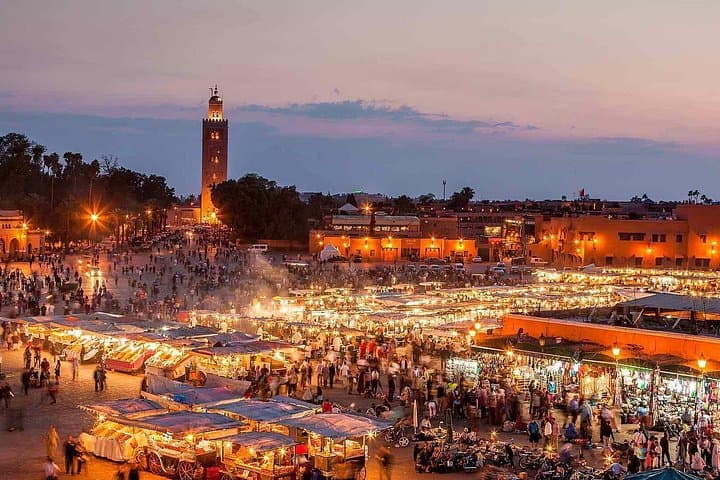
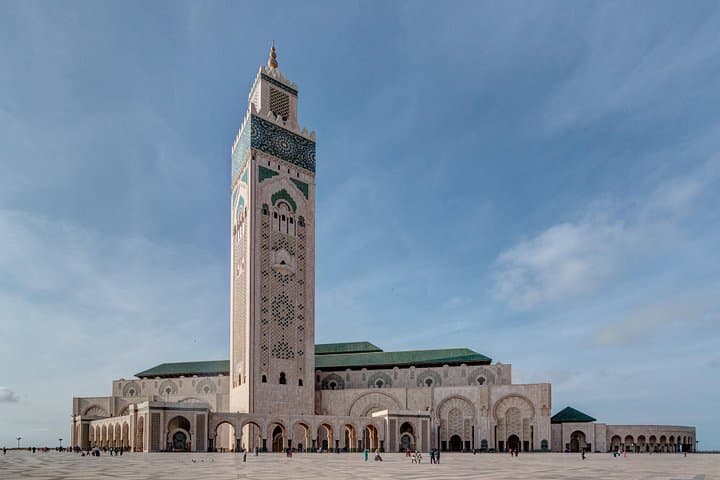

You step off the coach onto Casablanca’s wide boulevards and the city exhales into the Mediterranean breeze — the start line for a journey through Morocco’s political and cultural spine. Over the next days the tour threads between the white-washed esplanades of Rabat, the ochre stones of Volubilis’ Roman pavements and the rabbit-warren alleys of Fes, where the city seems to push back with noise, color and scent.
You step off the coach onto Casablanca’s wide boulevards and the city exhales into the Mediterranean breeze — the start line for a journey through Morocco’s political and cultural spine. Over the next days the tour threads between the white-washed esplanades of Rabat, the ochre stones of Volubilis’ Roman pavements and the rabbit-warren alleys of Fes, where the city seems to push back with noise, color and scent.
Rabat’s Hassan Tower and the Mohammed V Mausoleum frame centuries of dynastic history; the ruins of Volubilis lay bare the Roman grid and decades of geological uplift that shaped fertile plains north of the Atlas; Fez keeps the medieval craft traditions alive in its medina, where tanneries and dye pits mark an age-old economy.
Culturally the route is compact: royal architecture, Roman mosaics and living medieval quarters. Local guides point out architectural details, explain kasbah defensive logic and translate the barter rhythm of souks. Expect guided walking in narrow streets, short drives between sites, and morning breakfasts at 4-star hotels that anchor each overnight.
Practicalities are straightforward: bring sturdy walking shoes for uneven cobbles, sun protection for long courtyard exposures and a daypack for water and purchases. Most visits are accessible to travelers of all fitness levels but the medina requires nimble footing and patience amid crowds. Plan for layered clothes—coastal mornings can be cool, inland afternoons warm—and keep small bills for markets. The tour is a concentrated primer on Morocco’s imperial history, suited to travelers who want history, hands-on culture and efficient logistics across four active days.