THE ADVENTURE COLLECTIVE® · Independent discovery and booking for outdoor travel

Start at Tokyo Station and step into two centuries of Japanese history on a private 2.5‑hour walk through the Imperial grounds and the East Gardens. Learn castle‑era architecture, garden design, and imperial traditions with a local guide.
Start at Tokyo Station and step into two centuries of Japanese history on a private 2.5‑hour walk through the Imperial grounds and the East Gardens. Learn castle‑era architecture, garden design, and imperial traditions with a local guide.
A short walk out of Tokyo Station and the city’s rhythm shifts: polished skyscrapers give way to broad stone plazas and the slow, green pulse of the Imperial moats. On this private 2.5‑hour walking tour a guide leads visitors from the stately façade of Tokyo Station through Edo‑period stories and into the East Gardens, where layered landscaping keeps watch over centuries of politics and horticulture.
Verified experiences and guided adventures in the surrounding area.
Operated by PrideDream Travel · Tokyo, Tokyo
A short walk out of Tokyo Station and the city’s rhythm shifts: polished skyscrapers give way to broad stone plazas and the slow, green pulse of the Imperial moats. On this private 2.5‑hour walking tour a guide leads visitors from the stately façade of Tokyo Station through Edo‑period stories and into the East Gardens, where layered landscaping keeps watch over centuries of politics and horticulture.
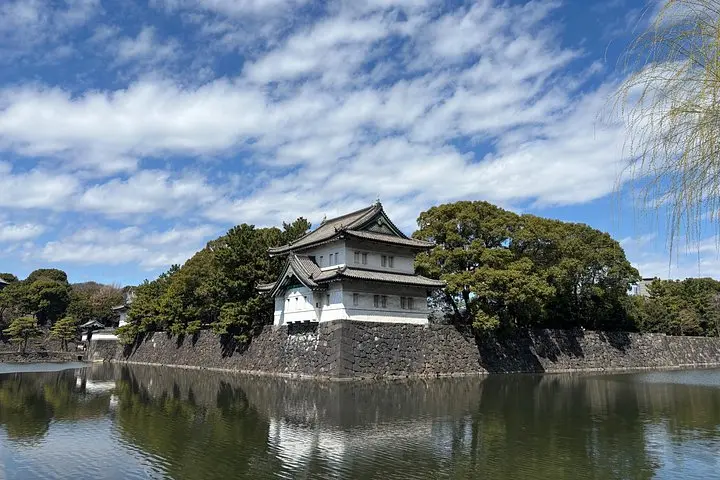
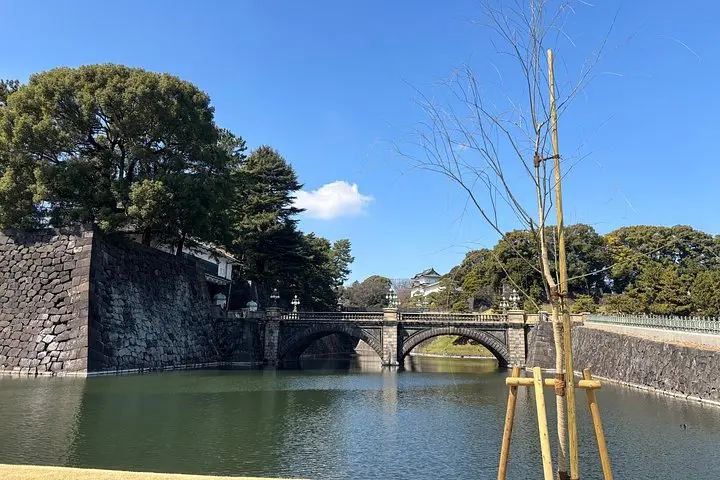
The route traces the footprint of Edo Castle, the stronghold of the Tokugawa shogunate that later became the Imperial Residence after the Meiji Restoration. Granite ramparts and reconstructed gates reveal basic geology—local granite and fill—while garden design reflects Edo and early modern gardening practices: clipped yew, open lawns, and carefully placed stone lanterns. Cultural notes along the way explain imperial rituals, the palace’s restricted zones, and how public spaces were redefined in modern Tokyo.
Practical guidance is built into the experience: expect roughly 1.5–2 miles of mostly paved walking with some steps, gentle elevation changes around moats and terraces, and stretches of shade in the gardens. The East Gardens are free to enter, but access inside some structures is restricted; photography is generally allowed outdoors. Midday can be hot in summer and crowded during cherry blossom and autumn color peaks—mornings ease visitor flow.
Bring a refillable water bottle, comfortable walking shoes, and a light rain layer in spring or typhoon season. The private format means the itinerary can flex—ask your guide to focus on architecture, garden design, or imperial history to match your interests.
The East Gardens are free to enter; access to the inner palace grounds and buildings is restricted and typically not part of public walking tours.
Much of the route is paved, but there are steps and uneven sections; contact the tour operator in advance to discuss accommodations or alternative routes.
Outdoor photography is generally permitted in the East Gardens and around the moats, but respect any restricted areas and follow the guide’s directions.
This is a private tour typically offered with a local professional guide—confirm language options when booking; private format allows focus adjustments like architecture, gardens, or imperial history.
PrideDream Travel operates guided outdoor trips and adventures with an emphasis on safety, stewardship, and memorable experiences.
A short walk out of Tokyo Station and the city’s rhythm shifts: polished skyscrapers give way to broad stone plazas and the slow, green pulse of the Imperial moats. On this private 2.5‑hour walking tour a guide leads visitors from the stately façade of Tokyo Station through Edo‑period stories and into the East Gardens, where layered landscaping keeps watch over centuries of politics and horticulture.
A short walk out of Tokyo Station and the city’s rhythm shifts: polished skyscrapers give way to broad stone plazas and the slow, green pulse of the Imperial moats. On this private 2.5‑hour walking tour a guide leads visitors from the stately façade of Tokyo Station through Edo‑period stories and into the East Gardens, where layered landscaping keeps watch over centuries of politics and horticulture.
The route traces the footprint of Edo Castle, the stronghold of the Tokugawa shogunate that later became the Imperial Residence after the Meiji Restoration. Granite ramparts and reconstructed gates reveal basic geology—local granite and fill—while garden design reflects Edo and early modern gardening practices: clipped yew, open lawns, and carefully placed stone lanterns. Cultural notes along the way explain imperial rituals, the palace’s restricted zones, and how public spaces were redefined in modern Tokyo.
Practical guidance is built into the experience: expect roughly 1.5–2 miles of mostly paved walking with some steps, gentle elevation changes around moats and terraces, and stretches of shade in the gardens. The East Gardens are free to enter, but access inside some structures is restricted; photography is generally allowed outdoors. Midday can be hot in summer and crowded during cherry blossom and autumn color peaks—mornings ease visitor flow.
Bring a refillable water bottle, comfortable walking shoes, and a light rain layer in spring or typhoon season. The private format means the itinerary can flex—ask your guide to focus on architecture, garden design, or imperial history to match your interests.