THE ADVENTURE COLLECTIVE® · Independent discovery and booking for outdoor travel

Walk the Imperial Palace East Gardens with a local guide who turns Edo-era facts into stories. In two hours you’ll see Ōtemon Gate, Ninomaru Garden, koi ponds and surviving castle stonework while learning how the shogunate shaped modern Tokyo.
Walk the Imperial Palace East Gardens with a local guide who turns Edo-era facts into stories. In two hours you’ll see Ōtemon Gate, Ninomaru Garden, koi ponds and surviving castle stonework while learning how the shogunate shaped modern Tokyo.
Meet under the Starbucks sign in Wadakuramon Park and step into the slow pulse of Tokyo’s center: stone moats that keep time, gravel paths that remember samurai boots, and maple trees that turn bright as a warning flag in autumn.
Verified experiences and guided adventures in the surrounding area.
Operated by Sunrise Adventure · Tokyo, Tokyo
Meet under the Starbucks sign in Wadakuramon Park and step into the slow pulse of Tokyo’s center: stone moats that keep time, gravel paths that remember samurai boots, and maple trees that turn bright as a warning flag in autumn.
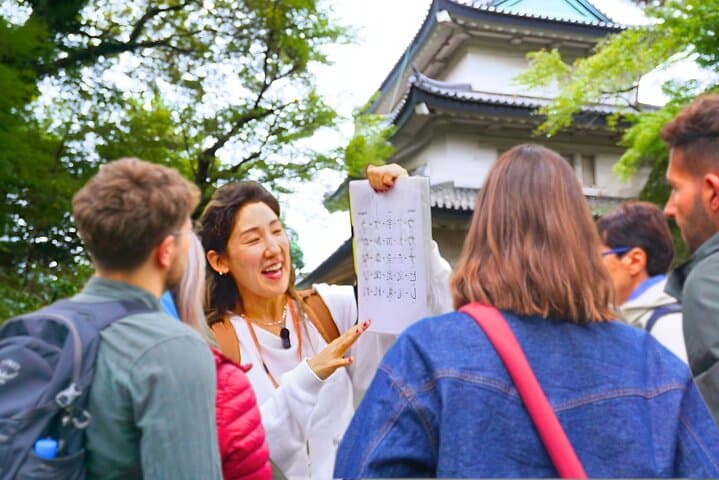
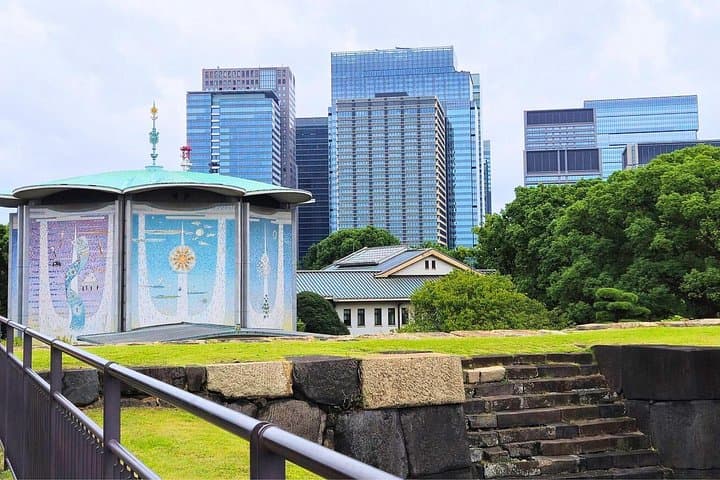
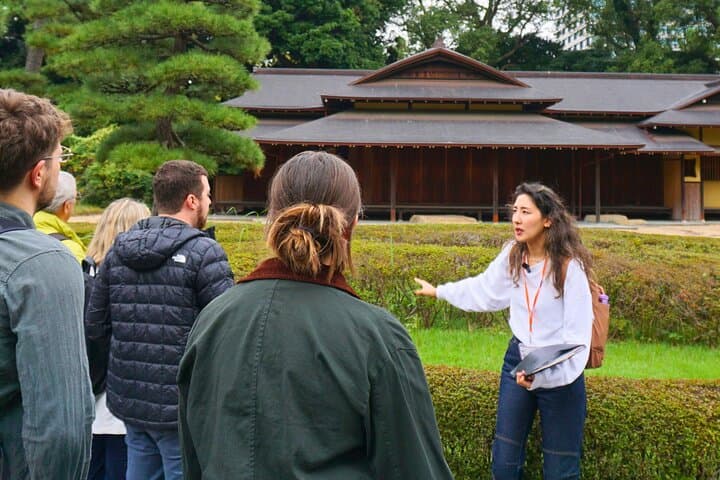
On this two-hour guided walk you circle the Imperial Palace’s eastern grounds—Ōtemon Gate, guardhouse ruins and the Ninomaru Garden—while a local guide threads Edo-period stories into the present-day city. The site sits on the footprint of Edo Castle, once the Tokugawa shogunate’s nerve center; much of the original keep was dismantled over centuries and after wartime damage, but miniature models and surviving stonework sketch the original fortress. The gardens themselves are urban geology and curated botany: imported trees from multiple prefectures, layered terraces, and moats that shape the flow of movement and view.
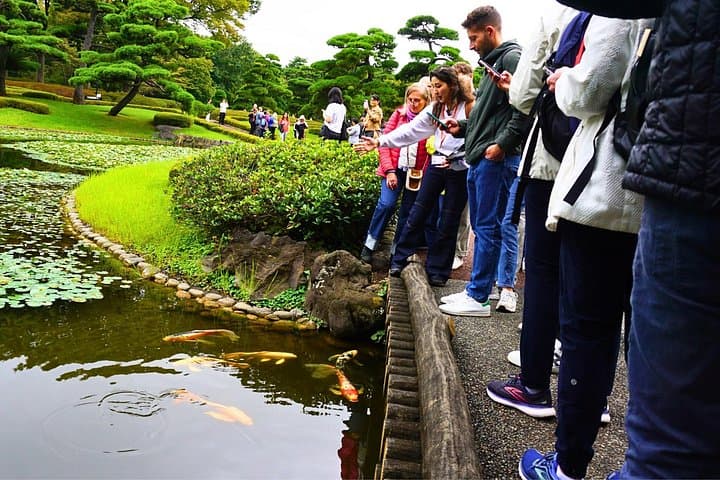
You’ll notice koi flicking in the ponds as if drawing attention to older water routes, and veteran zelkova trees that seem to approve or scold visitors with the creak of branches. Guides point out photo vantage points, explain samurai-era logistics, and read the city’s shift from feudal to modern Japan.
Practical notes: the route is mostly flat, suitable for all fitness levels, and runs in a small group (max ~10). Public transit puts you within minutes of the meeting point; expect urban crowds at peak times and limited shelter from rain. Bring comfortable shoes, a bottle of water and a charged phone for photos—your guide will handle navigation and context so you can focus on the place.
Meet at the Starbucks in Wadakuramon Park near the Imperial Palace East Gardens entrance; the guide will be waiting there at the scheduled time.
Much of the route is paved and relatively flat, but some garden paths and uneven stonework can be narrow—contact the operator ahead to confirm accessibility options.
The walking tour covers the palace grounds and gardens; there are no extra admission fees for the standard East Gardens route listed in the itinerary.
Photography is allowed for personal use; tripods or professional equipment may be restricted in certain areas—check with the guide on-site.
Sunrise Adventure operates guided outdoor trips and adventures with an emphasis on safety, stewardship, and memorable experiences.
Meet under the Starbucks sign in Wadakuramon Park and step into the slow pulse of Tokyo’s center: stone moats that keep time, gravel paths that remember samurai boots, and maple trees that turn bright as a warning flag in autumn.
Meet under the Starbucks sign in Wadakuramon Park and step into the slow pulse of Tokyo’s center: stone moats that keep time, gravel paths that remember samurai boots, and maple trees that turn bright as a warning flag in autumn.
On this two-hour guided walk you circle the Imperial Palace’s eastern grounds—Ōtemon Gate, guardhouse ruins and the Ninomaru Garden—while a local guide threads Edo-period stories into the present-day city. The site sits on the footprint of Edo Castle, once the Tokugawa shogunate’s nerve center; much of the original keep was dismantled over centuries and after wartime damage, but miniature models and surviving stonework sketch the original fortress. The gardens themselves are urban geology and curated botany: imported trees from multiple prefectures, layered terraces, and moats that shape the flow of movement and view.
You’ll notice koi flicking in the ponds as if drawing attention to older water routes, and veteran zelkova trees that seem to approve or scold visitors with the creak of branches. Guides point out photo vantage points, explain samurai-era logistics, and read the city’s shift from feudal to modern Japan.
Practical notes: the route is mostly flat, suitable for all fitness levels, and runs in a small group (max ~10). Public transit puts you within minutes of the meeting point; expect urban crowds at peak times and limited shelter from rain. Bring comfortable shoes, a bottle of water and a charged phone for photos—your guide will handle navigation and context so you can focus on the place.