THE ADVENTURE COLLECTIVE® · Independent discovery and booking for outdoor travel

Walk the line where Edo’s castle stones meet modern skyscrapers. This private tour blends castle ruins, modern art, and leafy gardens inside Tokyo’s Imperial Palace grounds—ideal for history and nature lovers who want a measured, informative exploration.
Walk the line where Edo’s castle stones meet modern skyscrapers. This private tour blends castle ruins, modern art, and leafy gardens inside Tokyo’s Imperial Palace grounds—ideal for history and nature lovers who want a measured, informative exploration.
You step out of Tokyo Station into a wide stone plaza where the station’s brick façade squares off against glass towers, then the city exhales into the quiet of the palace moat and ancient stonework. The tour threads across bridges and lawns, the moat daring you to remember that this busy metropolis grew from a castle’s defenses.
Verified experiences and guided adventures in the surrounding area.
Operated by OTOMO Travel Guide · Tokyo, Tokyo
You step out of Tokyo Station into a wide stone plaza where the station’s brick façade squares off against glass towers, then the city exhales into the quiet of the palace moat and ancient stonework. The tour threads across bridges and lawns, the moat daring you to remember that this busy metropolis grew from a castle’s defenses.
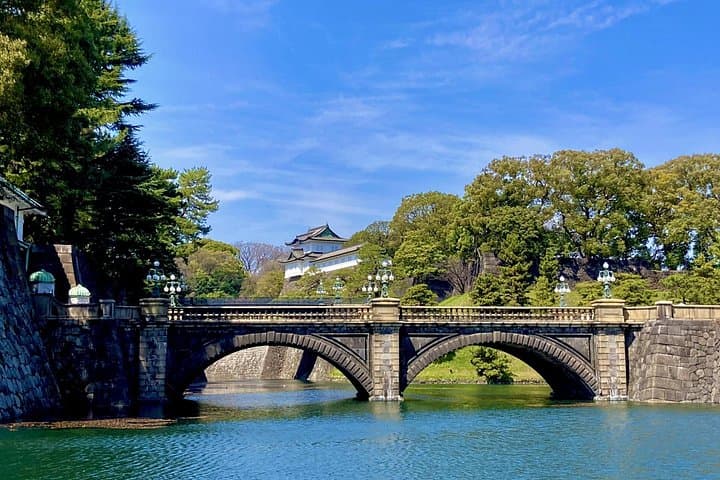
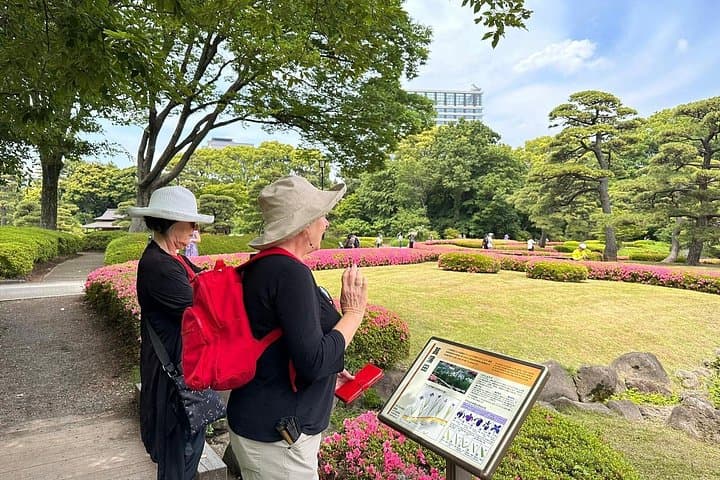
The route follows Edo’s footprint: Tokugawa-era castle ruins, massive granite walls, and the East Garden where moats outline former ramparts. The National Museum of Modern Art inside the grounds maps Japan’s 20th-century artistic shifts beside Kitanomaru Park’s open lawn. Geologically the area sits on the flat Kanto plain—river sediments underfoot explain the broad moats and low-lying parks that now hold Tokyo’s green lungs.
Culturally, the palace is where imperial ceremony meets modern business districts; views of Marunouchi’s towers give a clear contrast between old governance and new finance. In spring the cherry trees at Chidorigafuchi stage one of the city’s most photographed displays; in autumn maples flare along the garden paths.
Practical guidance: expect about 4–5 hours of steady walking with short museum stops—comfortable shoes and a light rain layer are essential. Bring a daylight pass or cash if you plan to enter paid exhibits or cafés; public transit access is excellent from Tokyo Station. Photography is welcome outdoors but follow signage inside museums and designated palace areas. Hydrate often, move at your own pace, and allow time to savor the unexpectedly calm pockets of nature in the city’s heart.
You typically do not need a passport for public garden areas like the East Garden, but carry ID if you have access to restricted sections through a guided arrangement.
No—museum admissions and café purchases are not included; the tour covers guiding services only and customers pay incidental costs.
Yes—strollers are usable on most paved routes, though some garden paths and museum spaces may be narrower or have steps.
This listing is for a private guided tour; language availability depends on the operator—confirm when booking.
OTOMO Travel Guide operates guided outdoor trips and adventures with an emphasis on safety, stewardship, and memorable experiences.


You step out of Tokyo Station into a wide stone plaza where the station’s brick façade squares off against glass towers, then the city exhales into the quiet of the palace moat and ancient stonework. The tour threads across bridges and lawns, the moat daring you to remember that this busy metropolis grew from a castle’s defenses.
You step out of Tokyo Station into a wide stone plaza where the station’s brick façade squares off against glass towers, then the city exhales into the quiet of the palace moat and ancient stonework. The tour threads across bridges and lawns, the moat daring you to remember that this busy metropolis grew from a castle’s defenses.
The route follows Edo’s footprint: Tokugawa-era castle ruins, massive granite walls, and the East Garden where moats outline former ramparts. The National Museum of Modern Art inside the grounds maps Japan’s 20th-century artistic shifts beside Kitanomaru Park’s open lawn. Geologically the area sits on the flat Kanto plain—river sediments underfoot explain the broad moats and low-lying parks that now hold Tokyo’s green lungs.
Culturally, the palace is where imperial ceremony meets modern business districts; views of Marunouchi’s towers give a clear contrast between old governance and new finance. In spring the cherry trees at Chidorigafuchi stage one of the city’s most photographed displays; in autumn maples flare along the garden paths.
Practical guidance: expect about 4–5 hours of steady walking with short museum stops—comfortable shoes and a light rain layer are essential. Bring a daylight pass or cash if you plan to enter paid exhibits or cafés; public transit access is excellent from Tokyo Station. Photography is welcome outdoors but follow signage inside museums and designated palace areas. Hydrate often, move at your own pace, and allow time to savor the unexpectedly calm pockets of nature in the city’s heart.