THE ADVENTURE COLLECTIVE® · Independent discovery and booking for outdoor travel

Follow a high mountain pass, glacier-fed lakes, and cloud forest farms on this 8-day Salkantay route to Machu Picchu. Expect high-altitude climbs, varied ecosystems, and guided logistics that make a challenging multi-day trek manageable.
Follow a high mountain pass, glacier-fed lakes, and cloud forest farms on this 8-day Salkantay route to Machu Picchu. Expect high-altitude climbs, varied ecosystems, and guided logistics that make a challenging multi-day trek manageable.
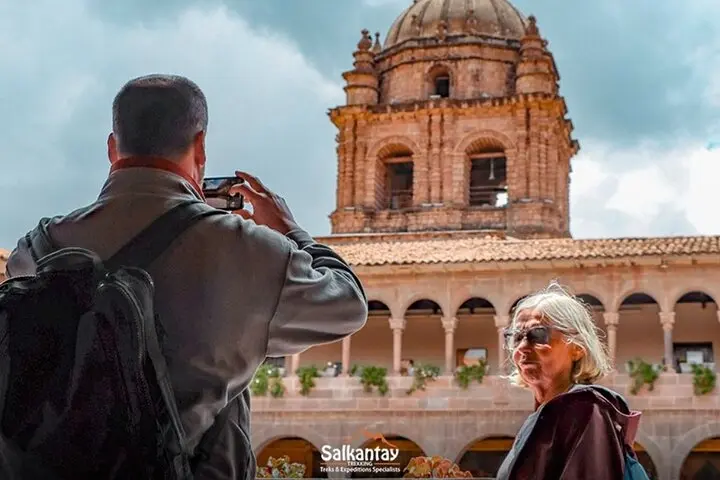
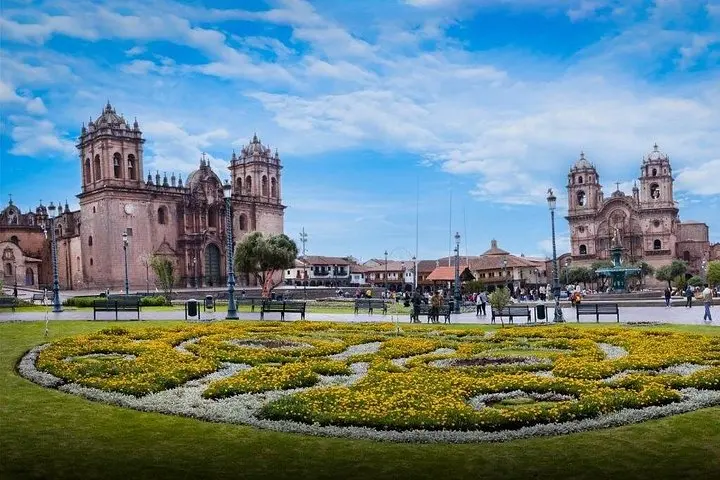
A thin, cold dawn in the Andean highlands slips into gold as porters and horses rearrange the camp while you lace boots for the first long day. From Cusco’s colonial streets to the wind-scoured saddle of Abra Salkantay, the trail moves through stark glacial ridges, plunging cloud forest, and coffee-filled valleys before Machu Picchu reveals itself between two peaks.
Verified experiences and guided adventures in the surrounding area.
Operated by Salkantay Trekking · Cusco, Cusco
A thin, cold dawn in the Andean highlands slips into gold as porters and horses rearrange the camp while you lace boots for the first long day. From Cusco’s colonial streets to the wind-scoured saddle of Abra Salkantay, the trail moves through stark glacial ridges, plunging cloud forest, and coffee-filled valleys before Machu Picchu reveals itself between two peaks.
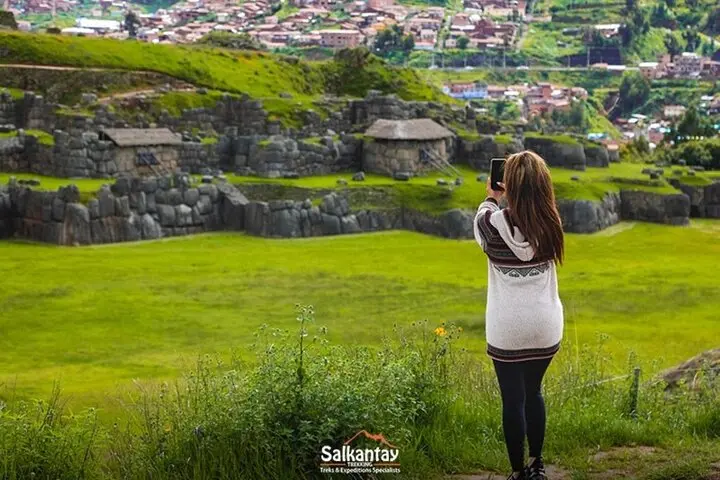
This route mirrors centuries of Andean history: Inca trail fragments, sacred apus (mountain spirits) like Salkantay and Humantay, and terraces that mapped agricultural life into the mountainside. Geologically the trek crosses Puna grasslands and glaciated granite, then descends into Jurassic-era humid forest—an abrupt change in both climate and species. Culturally, villages along the way conserve Quechua weaving, traditional coffee cultivation, and local ceremonies that still mark the agricultural year.
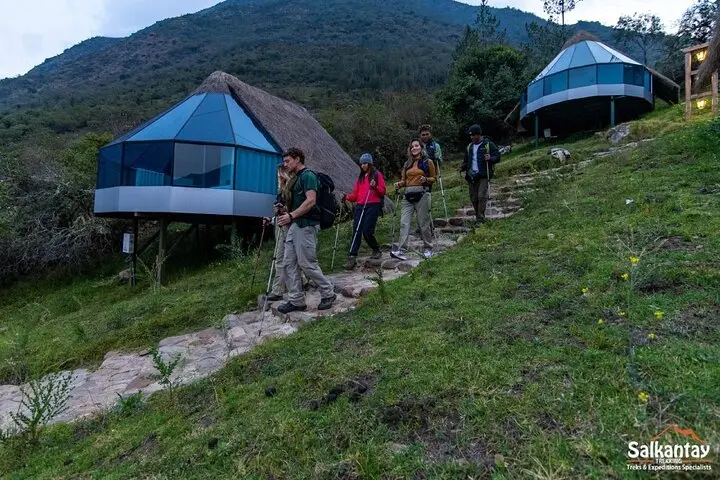
Practically, expect long days (4–8 hours hiking), one sustained high pass at ~4,630 m, and nights in a mix of premium dome camps and simple jungle domes. Guides manage logistics—food, porters, oxygen—and the itinerary includes acclimatization in Cusco and a timed Machu Picchu entry. Bring layered clothing for sharp temperature swings, a sturdy pair of waterproof boots, and a willingness to move slowly on steep descents. Hydrate, sleep low when possible, and let the mountains set the pace; they will test your legs and reward you with clear light, hummingbird-filled valleys, and the slow reveal of the Inca citadel.
Prior experience helps—this trek reaches 4,630 m; good fitness, gradual acclimatization, and awareness of altitude illness symptoms are important.
This itinerary includes Machu Picchu entrance (circuit allocation noted) and one-way bus from Aguas Calientes, but optional Huayna or Machu Picchu summit tickets are extra.
Accommodations combine premium camps (domes/igloos), a night in Aguas Calientes, and hotel nights in Cusco; camping gear and meals on trek are provided.
Children 12 and over may participate but must be supervised and in excellent fitness; consult operator about age suitability and medical considerations.
Salkantay Trekking operates guided outdoor trips and adventures with an emphasis on safety, stewardship, and memorable experiences.
A thin, cold dawn in the Andean highlands slips into gold as porters and horses rearrange the camp while you lace boots for the first long day. From Cusco’s colonial streets to the wind-scoured saddle of Abra Salkantay, the trail moves through stark glacial ridges, plunging cloud forest, and coffee-filled valleys before Machu Picchu reveals itself between two peaks.
A thin, cold dawn in the Andean highlands slips into gold as porters and horses rearrange the camp while you lace boots for the first long day. From Cusco’s colonial streets to the wind-scoured saddle of Abra Salkantay, the trail moves through stark glacial ridges, plunging cloud forest, and coffee-filled valleys before Machu Picchu reveals itself between two peaks.
This route mirrors centuries of Andean history: Inca trail fragments, sacred apus (mountain spirits) like Salkantay and Humantay, and terraces that mapped agricultural life into the mountainside. Geologically the trek crosses Puna grasslands and glaciated granite, then descends into Jurassic-era humid forest—an abrupt change in both climate and species. Culturally, villages along the way conserve Quechua weaving, traditional coffee cultivation, and local ceremonies that still mark the agricultural year.
Practically, expect long days (4–8 hours hiking), one sustained high pass at ~4,630 m, and nights in a mix of premium dome camps and simple jungle domes. Guides manage logistics—food, porters, oxygen—and the itinerary includes acclimatization in Cusco and a timed Machu Picchu entry. Bring layered clothing for sharp temperature swings, a sturdy pair of waterproof boots, and a willingness to move slowly on steep descents. Hydrate, sleep low when possible, and let the mountains set the pace; they will test your legs and reward you with clear light, hummingbird-filled valleys, and the slow reveal of the Inca citadel.