THE ADVENTURE COLLECTIVE® · Independent discovery and booking for outdoor travel

A 14-day loop through Vietnam and Cambodia that combines Halong Bay cruises, imperial Hue, Hoi An’s canals and markets, Mekong waterways, and Angkor’s temples. Practical route notes and on-the-ground tips for traveling the region with comfort.
A 14-day loop through Vietnam and Cambodia that combines Halong Bay cruises, imperial Hue, Hoi An’s canals and markets, Mekong waterways, and Angkor’s temples. Practical route notes and on-the-ground tips for traveling the region with comfort.
You step out of Noi Bai Airport into Hanoi’s humid morning and the city grabs at your senses — motorbikes threading through colonial avenues, lacquered temples watching over narrow streets, and the smell of coffee and sizzling street food pulling you toward the Old Quarter.
Verified experiences and guided adventures in the surrounding area.
Operated by Asia Master Tours · Hanoi, Hanoi
You step out of Noi Bai Airport into Hanoi’s humid morning and the city grabs at your senses — motorbikes threading through colonial avenues, lacquered temples watching over narrow streets, and the smell of coffee and sizzling street food pulling you toward the Old Quarter.
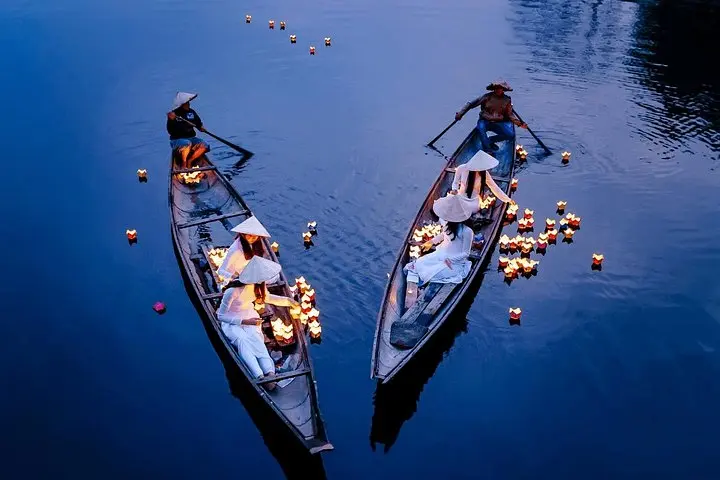
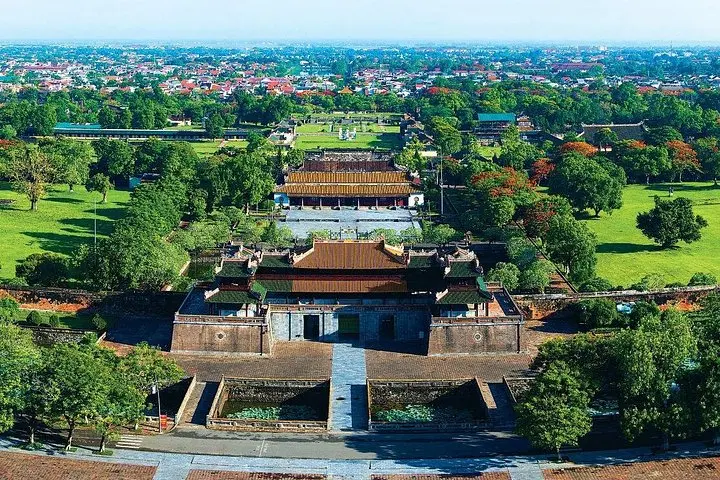
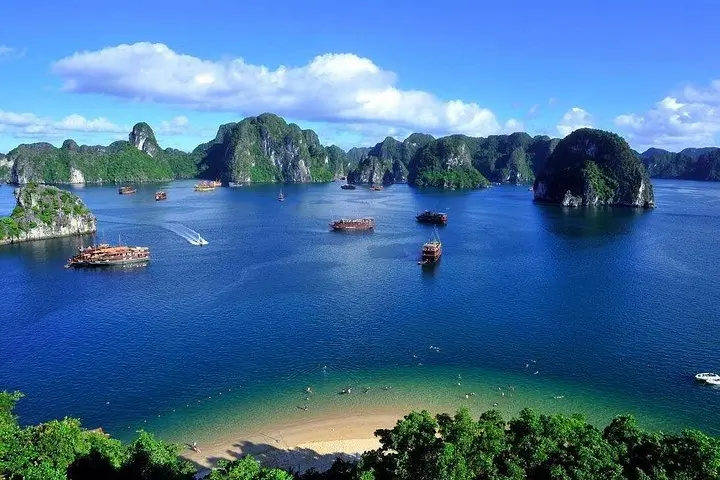
Over 14 days this itinerary moves like a measured current: Halong Bay’s limestone karsts rise from emerald water, shaped by millions of years of marine erosion; Hue’s citadel lays out imperial ritual in stone and water; Hoi An’s trading port preserves wooden houses that map centuries of commerce; the Mekong unfurls a braided landscape of floating markets and rivercraft; and Angkor’s sandstone faces in Siem Reap hold the weathered reliefs of an empire that once linked the region.
Culturally the route threads French colonial architecture, Confucian scholarship in Hanoi, Nguyen dynasty court life in Hue, Cham and Vietnamese artisan traditions in central Vietnam, and Khmer temple culture around Angkor. Geology and hydrology define much of the experience: karst limestone and tidal river systems shape activity options from kayaking to boat cruising.
Practical guidance: expect a mix of light walking tours, boat days, short domestic flights, and one easy cycling day. Bring breathable layers for heat and evening drizzle, good walking shoes for uneven temple terraces, a daypack for water and documents, and printed and digital copies of passports and visas. Plan travel time between cities carefully and allow at least one flexible afternoon for rest — jet lag, tropical rain, and packed temples can make days longer than the schedule suggests.
Most travelers require visas for Vietnam and Cambodia; check your nationality and obtain visas in advance or use approved e-visa systems where available.
Days vary: some are light (city walking tours), others include multi-hour boat trips, short hikes or a cycling morning. Overall it’s suitable for average fitness with no specialized training required.
Vietnam uses the dong (VND); Cambodia accepts Riel and USD widely, so bring small USD bills and exchange as needed.
The program includes many breakfasts and a selection of lunches and dinners; several dinners and some lunches are left for you to choose local options.
Asia Master Tours operates guided outdoor trips and adventures with an emphasis on safety, stewardship, and memorable experiences.
You step out of Noi Bai Airport into Hanoi’s humid morning and the city grabs at your senses — motorbikes threading through colonial avenues, lacquered temples watching over narrow streets, and the smell of coffee and sizzling street food pulling you toward the Old Quarter.
You step out of Noi Bai Airport into Hanoi’s humid morning and the city grabs at your senses — motorbikes threading through colonial avenues, lacquered temples watching over narrow streets, and the smell of coffee and sizzling street food pulling you toward the Old Quarter.
Over 14 days this itinerary moves like a measured current: Halong Bay’s limestone karsts rise from emerald water, shaped by millions of years of marine erosion; Hue’s citadel lays out imperial ritual in stone and water; Hoi An’s trading port preserves wooden houses that map centuries of commerce; the Mekong unfurls a braided landscape of floating markets and rivercraft; and Angkor’s sandstone faces in Siem Reap hold the weathered reliefs of an empire that once linked the region.
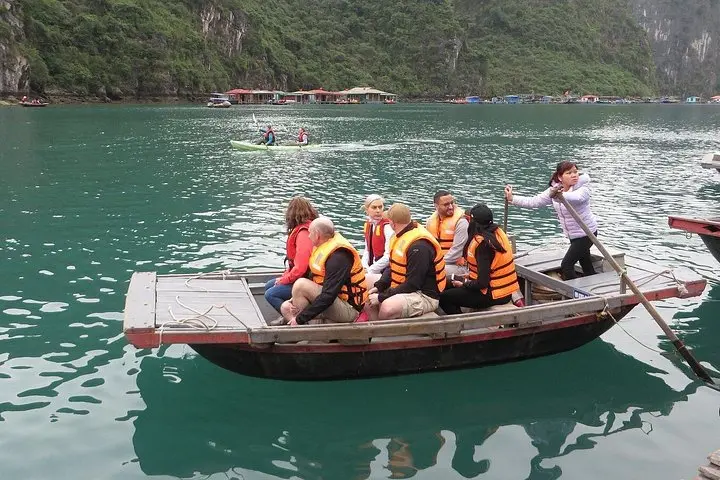
Culturally the route threads French colonial architecture, Confucian scholarship in Hanoi, Nguyen dynasty court life in Hue, Cham and Vietnamese artisan traditions in central Vietnam, and Khmer temple culture around Angkor. Geology and hydrology define much of the experience: karst limestone and tidal river systems shape activity options from kayaking to boat cruising.
Practical guidance: expect a mix of light walking tours, boat days, short domestic flights, and one easy cycling day. Bring breathable layers for heat and evening drizzle, good walking shoes for uneven temple terraces, a daypack for water and documents, and printed and digital copies of passports and visas. Plan travel time between cities carefully and allow at least one flexible afternoon for rest — jet lag, tropical rain, and packed temples can make days longer than the schedule suggests.