THE ADVENTURE COLLECTIVE® · Independent discovery and booking for outdoor travel

A four-day, multi-sport run from high Andean passes to the citadel of Machu Picchu—mountain biking, rafting, trekking and a zipline through cloud forest. Expect altitude, variety, and a fast-paced route that finishes at the Inca citadel.
A four-day, multi-sport run from high Andean passes to the citadel of Machu Picchu—mountain biking, rafting, trekking and a zipline through cloud forest. Expect altitude, variety, and a fast-paced route that finishes at the Inca citadel.
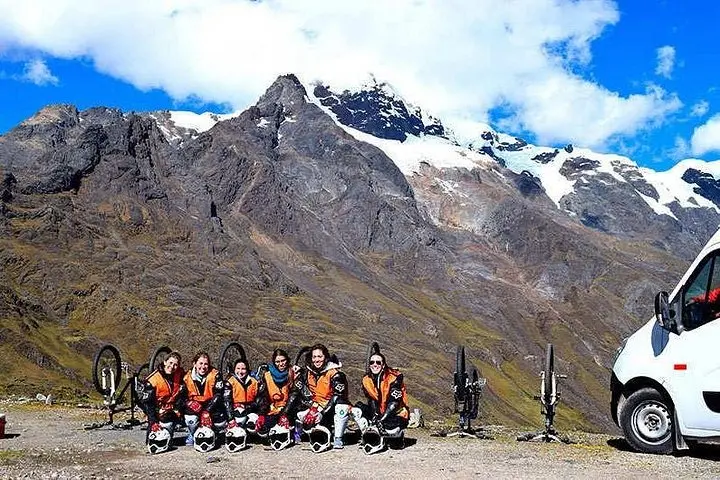
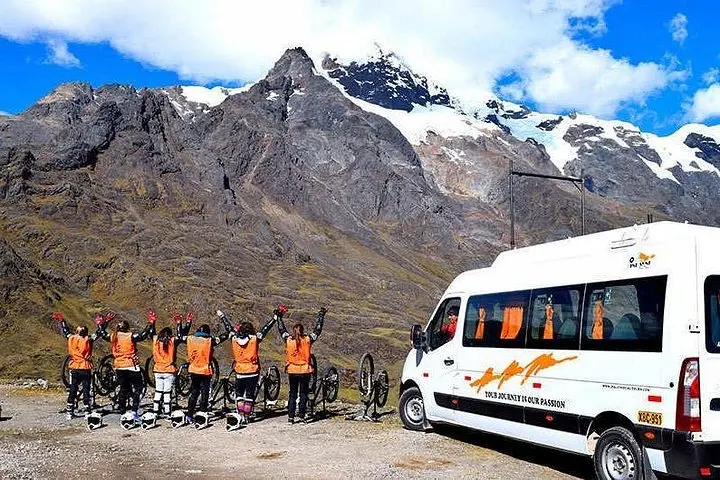
Morning light breaks over the high Andes as a van threads the switchbacks toward Malaga Pass. At 4,350 m the air is thin, the wind pushes like a cautious guide, and the descent begins: three hours of mountain-biking that trades altitude for warm cloud forest and the constant roar of rivers daring you onward.
Verified experiences and guided adventures in the surrounding area.
Operated by Inkayni Peru Tours · Aguas Calientes, Cusco
Morning light breaks over the high Andes as a van threads the switchbacks toward Malaga Pass. At 4,350 m the air is thin, the wind pushes like a cautious guide, and the descent begins: three hours of mountain-biking that trades altitude for warm cloud forest and the constant roar of rivers daring you onward.
This route moves through ecotone where Andean rock gives way to the Amazon’s edge. You’ll ride past terraced fields and villages that still echo Inca paths—sections of the old Inca Trail and Intihuatana sites appear between palms and orchids. Geologically the route follows fluvial cuts of the Urubamba system; the canyon carved the access routes that led to Machu Picchu’s hidden plateau centuries ago. Local families, small coffee plots and thermal springs at Cocalmayo punctuate the journey with human-scale moments.
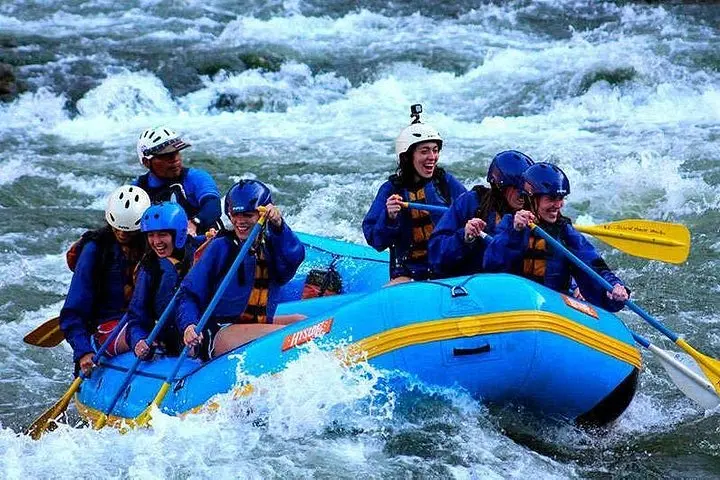
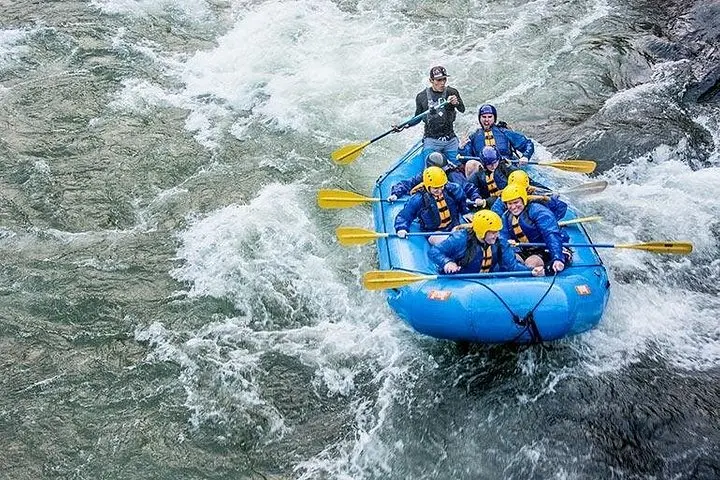
Expect a mix of technical and straightforward experiences: full-suspension bikes for rocky descents, Class II–III raft sections on the Urubamba escorted by guides, and a zipline that lets you fly above the canopy before a multi-hour trek into Aguas Calientes. On the final morning a guided walk through Machu Picchu reveals terraces, temples and the Inca mastery of stonework; secure Huayna or Machu Picchu Mountain tickets early.
Practical edge: acclimatize in Cusco for 48 hours if possible, carry layers and rain protection, and limit luggage to what you can carry for the trek segments. Hydration, conservative pacing uphill, and closed-toe shoes will make each piece of this multi-discipline adventure far more enjoyable.
Basic handling experience on singletrack and descents is recommended; guides provide instruction and equipment but sections include rocky and steep downhill terrain.
Yes—rafting is Class II–III with professional guides and a safety kayaker; participants should be comfortable following instructions and wearing a life jacket.
Possibly—the tour starts near 4,350 m; spending 48 hours in Cusco beforehand and staying hydrated reduces symptoms for most travelers.
Entrance to Machu Picchu is included, but Huayna Picchu or Machu Picchu Mountain tickets are separate and must be requested in advance due to limited availability.
Inkayni Peru Tours operates guided outdoor trips and adventures with an emphasis on safety, stewardship, and memorable experiences.
Morning light breaks over the high Andes as a van threads the switchbacks toward Malaga Pass. At 4,350 m the air is thin, the wind pushes like a cautious guide, and the descent begins: three hours of mountain-biking that trades altitude for warm cloud forest and the constant roar of rivers daring you onward.
Morning light breaks over the high Andes as a van threads the switchbacks toward Malaga Pass. At 4,350 m the air is thin, the wind pushes like a cautious guide, and the descent begins: three hours of mountain-biking that trades altitude for warm cloud forest and the constant roar of rivers daring you onward.
This route moves through ecotone where Andean rock gives way to the Amazon’s edge. You’ll ride past terraced fields and villages that still echo Inca paths—sections of the old Inca Trail and Intihuatana sites appear between palms and orchids. Geologically the route follows fluvial cuts of the Urubamba system; the canyon carved the access routes that led to Machu Picchu’s hidden plateau centuries ago. Local families, small coffee plots and thermal springs at Cocalmayo punctuate the journey with human-scale moments.
Expect a mix of technical and straightforward experiences: full-suspension bikes for rocky descents, Class II–III raft sections on the Urubamba escorted by guides, and a zipline that lets you fly above the canopy before a multi-hour trek into Aguas Calientes. On the final morning a guided walk through Machu Picchu reveals terraces, temples and the Inca mastery of stonework; secure Huayna or Machu Picchu Mountain tickets early.
Practical edge: acclimatize in Cusco for 48 hours if possible, carry layers and rain protection, and limit luggage to what you can carry for the trek segments. Hydration, conservative pacing uphill, and closed-toe shoes will make each piece of this multi-discipline adventure far more enjoyable.